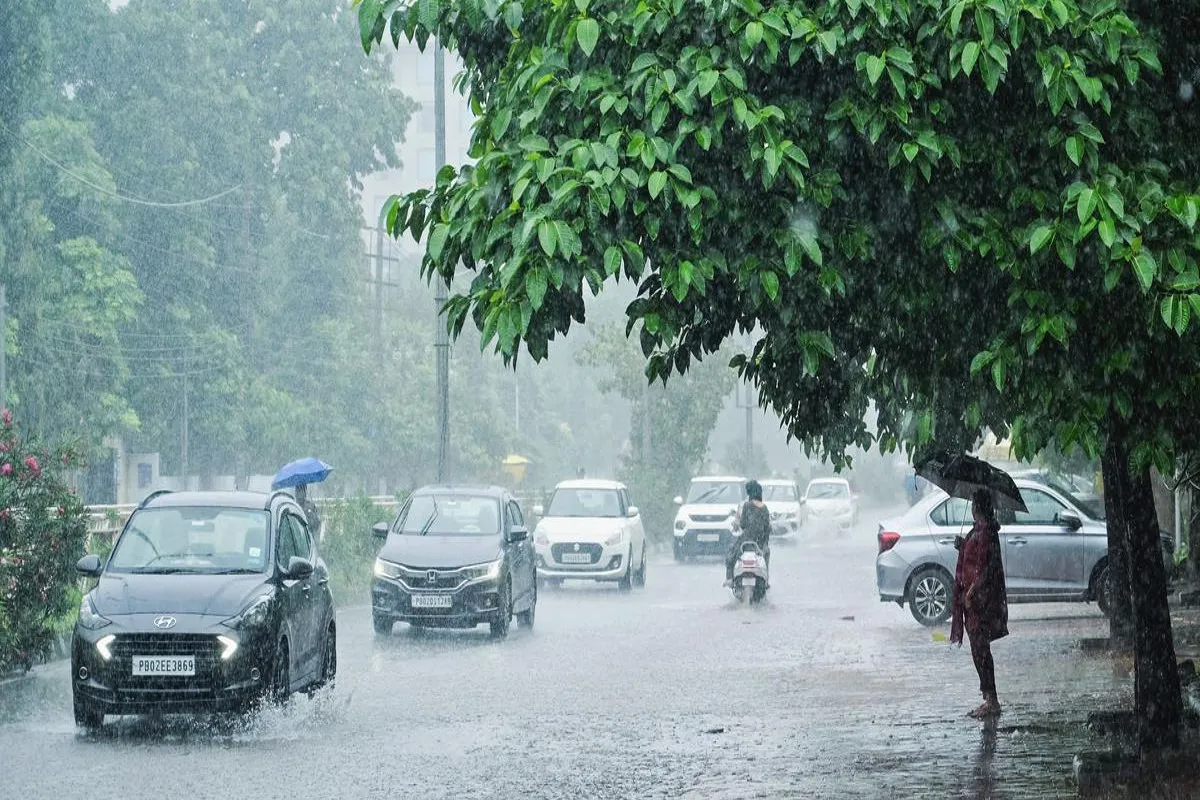
Rajasthan Weather Alert To Impact Multiple Regions
Rajasthan is set to experience a fresh spell of unstable weather over the coming days, with meteorological authorities issuing a Rajasthan weather alert for widespread rainfall, thunderstorms, and isolated hail activity across the state. The evolving system is expected to impact both urban centres and agricultural regions, raising concerns around infrastructure resilience and crop safety. According to officials, the incoming disturbance will intensify between March 29 and March 31, affecting multiple divisions including Jaipur, Jodhpur, Bikaner, Ajmer, Udaipur, Kota, and Bharatpur. During this period, wind speeds could increase significantly, accompanied by dust storms and moderate rainfall in several pockets. The Rajasthan weather alert also indicates the likelihood of hailstorms in isolated areas, particularly in western and northern districts.
This shift follows a phase of relatively stable and warmer conditions, where most cities recorded clear skies and rising daytime temperatures. The sudden transition underscores the increasing variability of pre-monsoon weather patterns in the region. Urban planners and climate experts note that such fluctuations are becoming more frequent, highlighting the need for cities to strengthen climate-responsive infrastructure, particularly in drainage, stormwater management, and emergency response systems. For rural economies, the implications are immediate. Agricultural experts warn that both standing crops and recently harvested produce are vulnerable to damage from high winds, rain, and hail. Authorities have issued advisories urging farmers to safeguard crops stored in open areas and take preventive steps to reduce potential losses. In regions where mandi infrastructure lacks adequate protection, even short-duration storms can disrupt supply chains and affect local incomes.
Beyond agriculture, intermittent rainfall and dust storms can also impact urban mobility and construction activity. Reduced visibility, waterlogging in low-lying areas, and temporary disruptions to transport networks are common during such weather events. Industry observers point out that resilient urban design—such as permeable surfaces, improved drainage networks, and better land-use planning—can significantly mitigate these risks over time. The current weather system is also expected to moderate temperatures across Rajasthan during the first week of April, offering temporary relief from early summer heat. However, experts caution that while cooler conditions may benefit residents, the associated weather volatility requires preparedness at both city and district levels.
Looking ahead, successive weather disturbances are likely to keep conditions unsettled in parts of the state, reinforcing the importance of early warning systems and coordinated response mechanisms. As Rajasthan continues to urbanise rapidly while remaining heavily dependent on agriculture, the Rajasthan weather alert serves as a reminder that climate variability is increasingly shaping both economic stability and urban planning priorities.