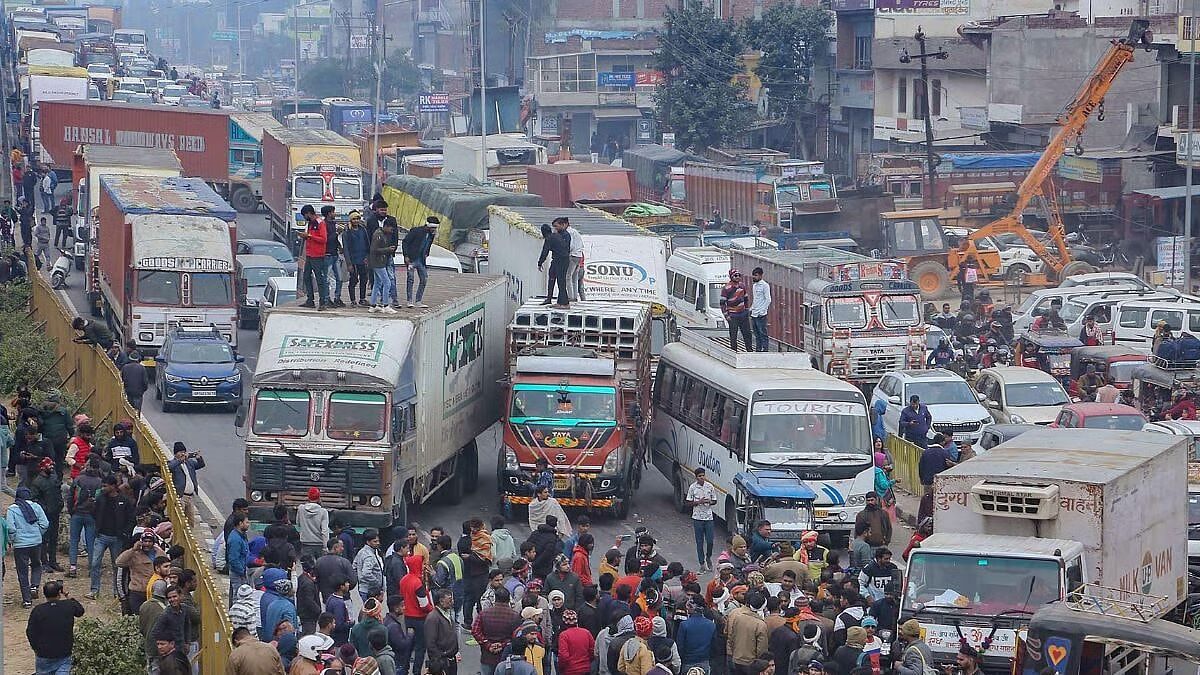
Rajasthan Road Travel Faces Major Bus and Taxi Shutdown
Jaipur, Rajasthan — A statewide bus and taxi strike has disrupted road transport across large parts of Rajasthan, exposing critical vulnerabilities in the region’s urban and intercity mobility systems while highlighting the dependency of commuters and goods movements on private transport operators.
The action, which began this week as operators protested new regulatory enforcement, has led to cancellations of scheduled services, heightened pressure on alternate transit modes and renewed debate on transport governance in one of India’s fastest-urbanising states. The strike was called by several private bus and taxi associations following intensified compliance checks and fines linked to safety regulations and vehicle fitness criteria imposed by the Rajasthan Transport Department. Operators contend that abrupt implementation of newer safety standards — including vehicle body homologation norms and mandatory equipment retrofits — has left many vehicles off the road, straining already thin margins for small and medium-scale operators.
The immediate fallout has been palpable across key transport corridors. Intercity bus services connecting major urban centres such as Jaipur, Udaipur, Ajmer, Kota and outlying towns have experienced severe service gaps, compelling travellers to seek alternatives such as state-run buses, railways or private vehicles. Booking platforms reported spikes in demand on remaining services, fuelling last-minute fare increases and greater congestion at terminals. Notably, the city of Jodhpur reported comparatively reduced impact, with several private operators continuing services within and around the Marwar region. Local stakeholders attribute this to protracted negotiations between associations and district officials that temporarily exempted some fleets from compliance actions, allowing continuity of services. Even so, passengers in Jodhpur have reported longer queues and fuller buses as demand from other regions has spilled over, underscoring how transport disruptions in one part of the state can cascade across urban networks.
Urban mobility experts say the strike underscores structural weaknesses in Rajasthan’s transport ecology, where private fleets constitute a significant share of scheduled services without sufficient redundancy through public alternatives. “When private operators down tools, the gaps are stark — communities, especially in peri-urban and rural catchments, lose critical connectivity,” said an urban transport planner based in Jaipur. “This points to a need for diversified transport provisioning that includes stronger state-run intercity services and regulated partnerships with private operators.” The protests also highlight tensions in regulatory change management. While safety norms — such as those aligning with national AIS 153 bus body and equipment standards — aim to reduce road accidents and enhance passenger protection, the absence of phased timelines and financial support mechanisms for smaller operators has amplified resistance. Transport economists argue that inclusive transition frameworks, such as compliance subsidies and technical assistance for retrofits, could smooth governance shifts without precipitating service withdrawals.
For daily commuters, the strike has compounded travel planning challenges. Workers, students and traders are navigating reduced service options, longer waits and shifting routes, often at short notice. In several towns, informal pooling and app-based taxi services have seen upticks in demand as commuters seek alternatives, though pricing volatility remains a concern. State officials have entered negotiations with operator associations, while reiterating that road safety and regulatory compliance remain priorities. A transport department spokesperson indicated willingness to consider grace periods and phased implementation but maintained that safety standards are non-negotiable to reduce fatalities and improve service quality.
The unfolding situation has ignited broader conversations about regional mobility resilience, with calls for integrated transport plans that balance safety, service reliability and economic viability. For Rajasthan’s rapidly urbanising population — spanning Jaipur’s growth corridors to remote hinterlands — sustained disruptions to transport services highlight the stakes involved in aligning regulatory frameworks with practical mobility needs.