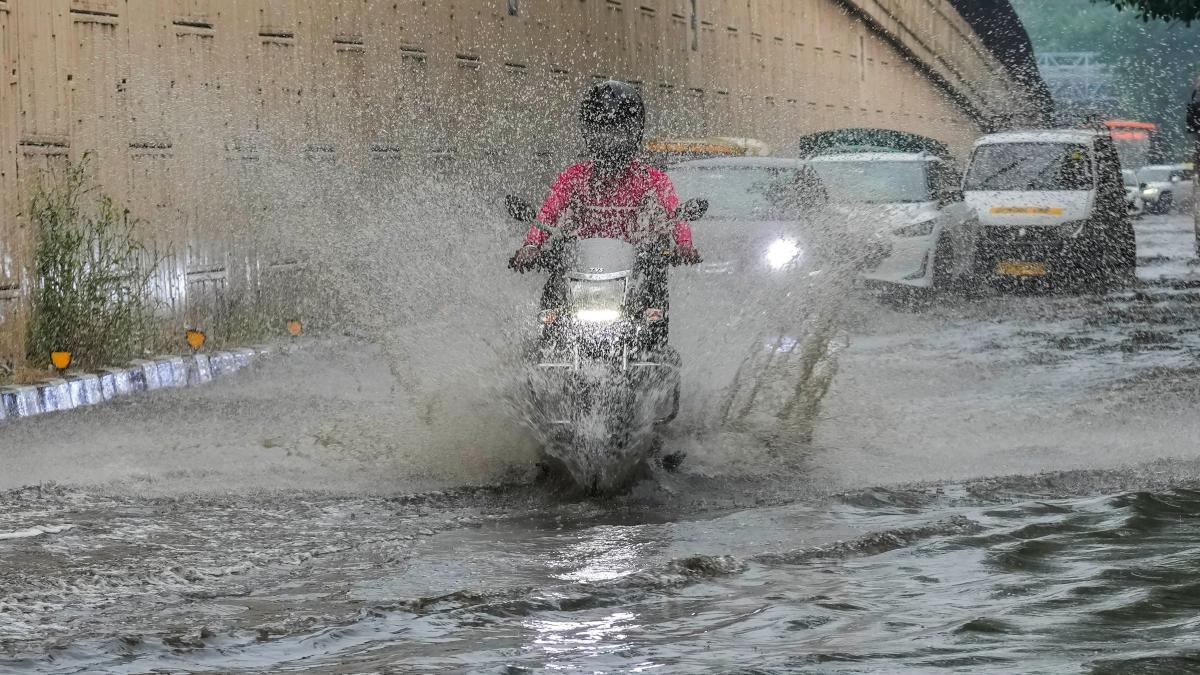
A spell of Rajasthan rainfall across eastern districts has led to a noticeable dip in temperatures, offering short-term relief from rising heat while highlighting the growing variability in pre-summer weather patterns across the state. The change, driven by a weak western disturbance, has implications for urban infrastructure planning, water management and climate resilience strategies in rapidly expanding cities. Meteorological data indicates that several locations recorded light to moderate precipitation over the past 24 hours, with parts of the Shekhawati belt among the more affected. Daytime temperatures across most urban centres remained between the mid-20s and around 30 degrees Celsius, registering a drop of up to 8 degrees below seasonal averages. Desert districts continued to remain relatively warmer, though still below typical March peaks.
Urban planners say such unseasonal Rajasthan rainfall events are becoming increasingly relevant for cities that are simultaneously grappling with heat stress and water scarcity. While rainfall provides immediate cooling and reduces dust levels, it also tests drainage systems, particularly in peri-urban zones where infrastructure development often lags behind real estate expansion. Officials tracking seasonal trends note that the current system has temporarily interrupted the transition towards peak summer conditions. Weather models suggest that isolated rainfall activity may continue in western districts, including parts of the Thar region, accompanied by cloud cover and occasional thunderstorms. However, a return to largely dry conditions is expected across most of the state in the coming days. For the built environment, this fluctuation underscores the need for adaptive planning. Experts in urban development point out that intermittent rainfall combined with rising baseline temperatures can accelerate wear on road surfaces, impact construction schedules and influence energy demand patterns. Cooler days may reduce short-term electricity consumption, but the overall trajectory still points towards increasing cooling needs as summer intensifies.
The Rajasthan rainfall has also had a secondary environmental impact by temporarily improving air quality levels in urban pockets. Reduced dust suspension and particulate matter concentration are often observed following precipitation events, offering a brief window of cleaner air in cities that otherwise face seasonal pollution spikes linked to construction activity and arid conditions. From an economic standpoint, sectors such as construction, logistics and tourism tend to experience minor disruptions during such weather shifts. However, industry observers note that these are generally short-lived compared to the longer-term benefits of moderated temperatures, especially in regions prone to extreme heat. Looking ahead, climate specialists emphasise that the frequency of such transitional weather events is likely to increase under changing climate conditions. For Rajasthan’s cities, the challenge lies in strengthening urban systems—from stormwater networks to climate-responsive building design—to ensure they can handle both sudden rainfall and prolonged heat.
As Rajasthan rainfall patterns continue to evolve, integrating weather variability into infrastructure planning will be critical to building cities that are both resilient and liveable.