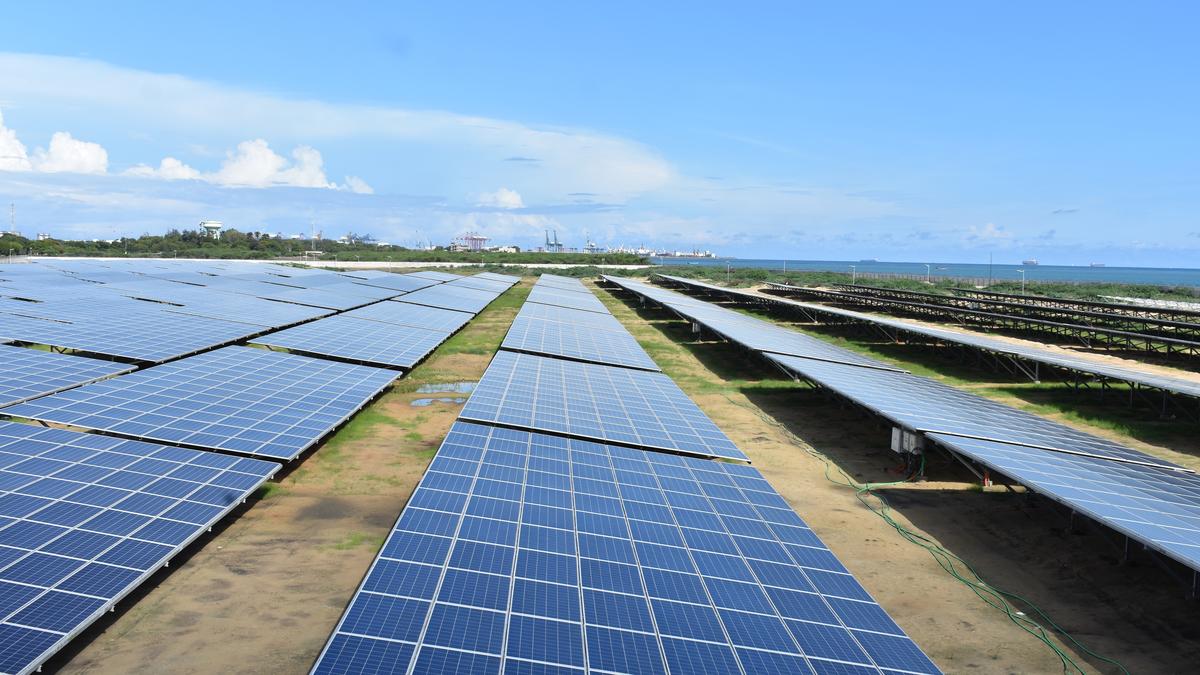
A recent ruling by Rajasthan’s electricity regulator has brought renewed clarity to how captive renewable energy systems are treated under state power tariffs, with implications for energy-intensive industries such as cement manufacturing. The decision reinforces the regulatory boundary between grid-dependent consumption and behind-the-meter solar generation, a distinction that is increasingly shaping industrial energy strategies across India.
The Rajasthan Electricity Regulatory Commission (RERC) has rejected a request from a major cement producer seeking a load factor rebate on electricity consumed at one of its manufacturing units. The regulator concluded that the company’s captive solar installation qualifies as a behind-the-meter system and therefore cannot be included in load factor calculations under the prevailing tariff framework. As a result, the unit will continue to be billed without the rebate typically available to high-utilisation grid consumers.Load factor rebates are designed to reward consumers that draw electricity consistently from the grid, helping utilities manage demand efficiently and recover fixed network costs. By excluding captive solar output from these calculations, the regulator has reaffirmed that self-generated power does not contribute to grid stability in the same way as scheduled grid demand. Energy policy specialists say this distinction is critical as industries accelerate investments in onsite renewable generation.
For cement manufacturers, the ruling underscores a growing regulatory trade-off. Captive solar projects can significantly reduce energy costs and emissions, supporting corporate decarbonisation goals. However, these benefits may come at the expense of certain tariff incentives that were structured around traditional grid consumption patterns. Cement plants, which typically operate round-the-clock, must now weigh the value of tariff rebates against the long-term savings and carbon benefits of renewable self-generation.The decision also reflects a broader challenge facing electricity regulators nationwide: adapting legacy tariff structures to a rapidly evolving energy landscape. As behind-the-meter solar and hybrid energy systems become more common in industrial zones, regulators are under pressure to ensure that distribution companies remain financially viable while encouraging clean energy adoption.
Urban infrastructure analysts note that clarity in power regulation is especially important for industrial clusters linked to urban growth. Cement plants supply essential materials for housing, transport networks, and public infrastructure, all of which underpin city expansion. Predictable electricity pricing frameworks allow manufacturers to plan capacity, logistics, and sustainability investments more effectively.At the same time, the ruling may prompt renewed discussions around time-of-day tariffs, smart metering, and demand-based pricing. Several states are exploring more granular tariff mechanisms that better reflect actual grid usage while accommodating renewable integration. Such reforms could eventually offer a more balanced approach, recognising both grid support and clean energy contributions.
As India pushes toward lower-carbon industrial development, decisions like this highlight the need for regulatory evolution. Aligning tariff design with climate goals, grid resilience, and industrial competitiveness will be central to ensuring that clean energy adoption strengthens—rather than complicates—the foundations of sustainable urban and economic growth.