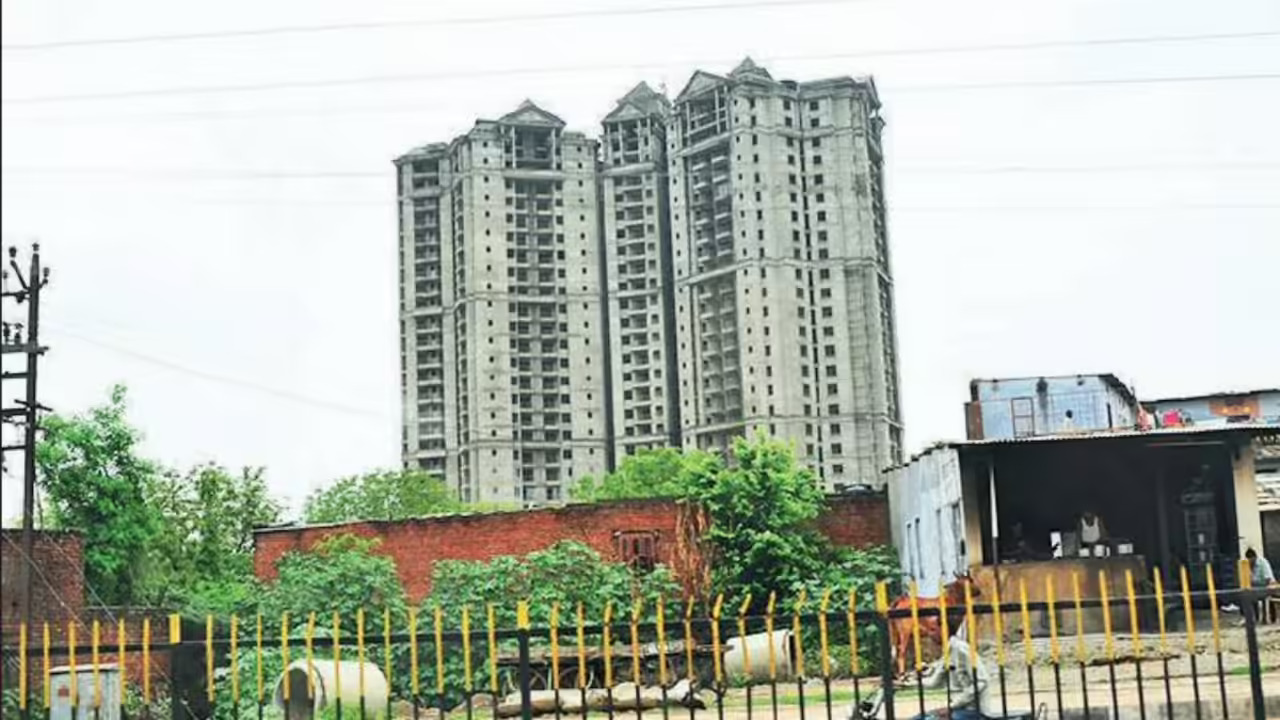
The Rajasthan Housing Board (RHB) has reported a remarkable surge in revenue for FY26, crossing the ₹1,000 crore mark, a more than threefold increase from the previous year. Officials attribute the growth primarily to strategic commercial auctions and enhanced asset monetisation, signalling stronger financial stability for the state’s primary housing agency. This milestone sets the stage for expanded residential development across Jaipur, Jodhpur, Alwar, and emerging urban nodes in the NCR belt, including Bhiwadi.
Industry analysts highlight that the Board’s FY25 performance, with 14 new schemes launched, demonstrated renewed buyer confidence across both metropolitan and smaller towns. While Jaipur continues to offer a diversified portfolio spanning EWS to premium categories, RHB’s commitment to smaller districts and inclusive housing reflects a long-term strategy of balanced urban expansion. Planners note that such geographic diversification is critical in supporting equitable growth and reducing regional disparities in affordable housing access. Looking ahead to FY26, the Board is preparing a pipeline of residential schemes complemented by commercial pockets that will be auctioned to sustain revenue streams. A senior official indicated that all projects integrate infrastructure development, including roads, electrification, sewerage, and community facilities, in line with a people-first urban planning approach. The emphasis on self-sustaining townships ensures that housing initiatives contribute to broader civic improvements while maintaining affordability.
RHB has also undertaken measured pricing adjustments, reflecting sector-wide cost escalations in land and construction materials. Even with scheme-wise revisions of up to 26%, officials emphasise that residential units remain competitive relative to market benchmarks. Payment flexibility has been expanded for higher-value categories, with instalment plans increased to ease financial burdens on buyers, reinforcing inclusive housing principles. While the Board continues to prioritise EWS and LIG housing, it is exploring collaborative development models involving private participation on selected land parcels. This approach aims to expand capacity without compromising institutional oversight or affordability. Planners and urban development experts suggest that such partnerships, if structured transparently, could accelerate the delivery of climate-resilient, amenity-rich housing in growth corridors.
Addressing operational challenges, RHB has actively reduced unsold inventory through targeted marketing campaigns and its weekly auction platform. Additionally, a proposal for a dedicated enforcement wing is under consideration to prevent encroachments and safeguard land assets, reflecting institutional strengthening and governance reforms. The Board’s trajectory highlights the potential of state housing agencies to drive inclusive, resilient, and financially sustainable urban development. By combining asset monetisation, infrastructure integration, and strategic planning, RHB demonstrates a model that balances revenue growth with equitable access to housing, setting a precedent for climate-conscious and socially responsible urban expansion in Rajasthan.
Rajasthan Housing Board Revenue Surpasses One Thousand Crore