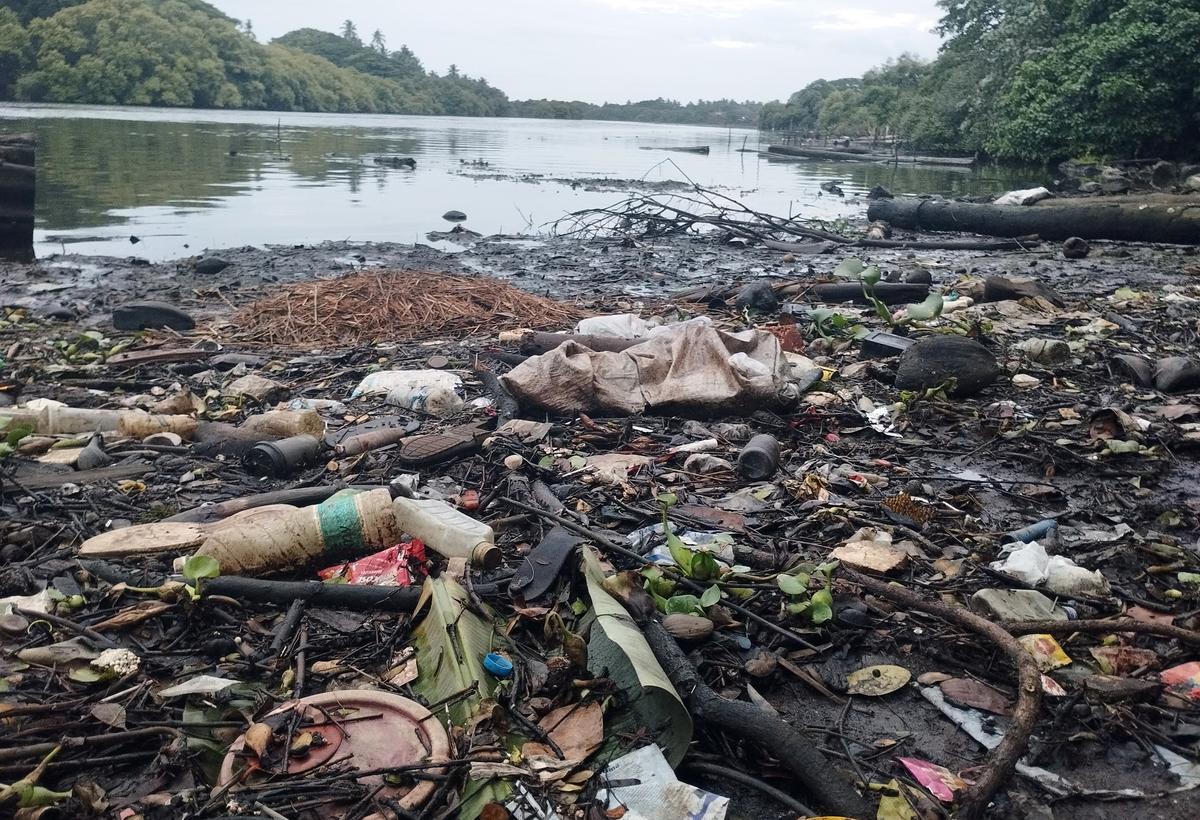
Raipur Faces Rising Alarm Over Kharun River Pollution
Concerns are mounting in Raipur over the declining health of the Kharun river, a key water body flowing through the city, as civic groups and community organisations warn that untreated sewage and unchecked aquatic weeds are increasingly degrading the river ecosystem.
The situation has implications not only for public health but also for Raipur’s broader urban sustainability goals as the city continues to expand. Local organisations reviewing civic and political activities ahead of upcoming municipal polls said multiple stretches of the river around Raipur are now heavily covered with water hyacinth. The fast-growing invasive plant has spread across sections of the river channel, slowing water flow and creating stagnant pockets that are difficult to navigate for small boats used by local communities. Urban planners note that Kharun river pollution has gradually intensified as Raipur’s population and built-up areas have expanded along the river corridor. Informal drainage outlets, household wastewater and stormwater drains have increasingly discharged directly into the river, adding nutrient loads that accelerate the growth of water hyacinth and other invasive vegetation. Residents living along riverbank settlements say the ecological changes are beginning to affect daily livelihoods. Small-scale fish farming operations and boat services operating near traditional river access points have reportedly been disrupted as thick layers of floating vegetation obstruct movement and reduce water quality. Environmental experts say invasive aquatic plants thrive in nutrient-rich water bodies where untreated wastewater flows continuously.
The spread of hyacinth often signals deeper infrastructure gaps in wastewater management systems. When organic waste accumulates in stagnant water, it can lead to reduced oxygen levels, affecting fish populations and aquatic biodiversity. Officials familiar with the city’s wastewater planning say several sewage treatment facilities were proposed over the past decade to intercept drains entering the Kharun. However, gaps in construction timelines, operational efficiency and maintenance have limited their effectiveness. In some cases, plants run through private operations have faced operational disruptions, allowing untreated wastewater to continue entering the river system. The visible presence of chemical foam in certain stretches has further raised questions about the composition of wastewater entering the river. Environmental analysts say such foam can occur when detergents and industrial residues mix with organic waste in slow-moving water bodies. The Kharun river pollution issue is also drawing attention within Raipur’s wider urban planning discussions. The river forms a natural corridor linking older neighbourhoods with newer urban expansions and the rapidly developing capital region around Nava Raipur Atal Nagar. As cities increasingly adopt riverfront restoration and blue-green infrastructure strategies, the ecological condition of urban rivers is becoming central to climate resilience planning.
Urban development specialists argue that restoring the Kharun will require coordinated action across sewerage infrastructure, drainage mapping, wetland buffers and community stewardship. Without such measures, the river risks further ecological degradation at a time when Indian cities are seeking to integrate natural waterways into sustainable urban growth strategies. For Raipur, the debate now centres on whether upcoming civic planning cycles will translate growing public concern into concrete improvements in wastewater management and river restoration.