


Chhattisgarh has taken a definitive step towards modernising its urban infrastructure with the approval of the Raipur-Durg Metro Rail Project. This significant development is integral to a broader vision of establishing a State Capital Region (SCR), modelled after Delhi’s National Capital Region. The proposed metro corridor aims to revolutionise urban mobility, reduce road congestion, and foster integrated development across Raipur, Nava Raipur Atal Nagar, and the Durg-Bhilai corridor, paving the way for a more sustainable and equitable urban future.
The ambitious State Capital Region (SCR) initiative seeks to unify these key urban centres into a coordinated framework, addressing critical aspects such as transport, land use, and shared infrastructure. Projections indicate that this integrated region is expected to house a population exceeding 50 lakh by 2031, underscoring the imperative for a robust public transportation system. The metro is designed to meet this anticipated demand, ensuring reliable and accessible transit for all residents, thereby enhancing economic opportunities and social inclusion.
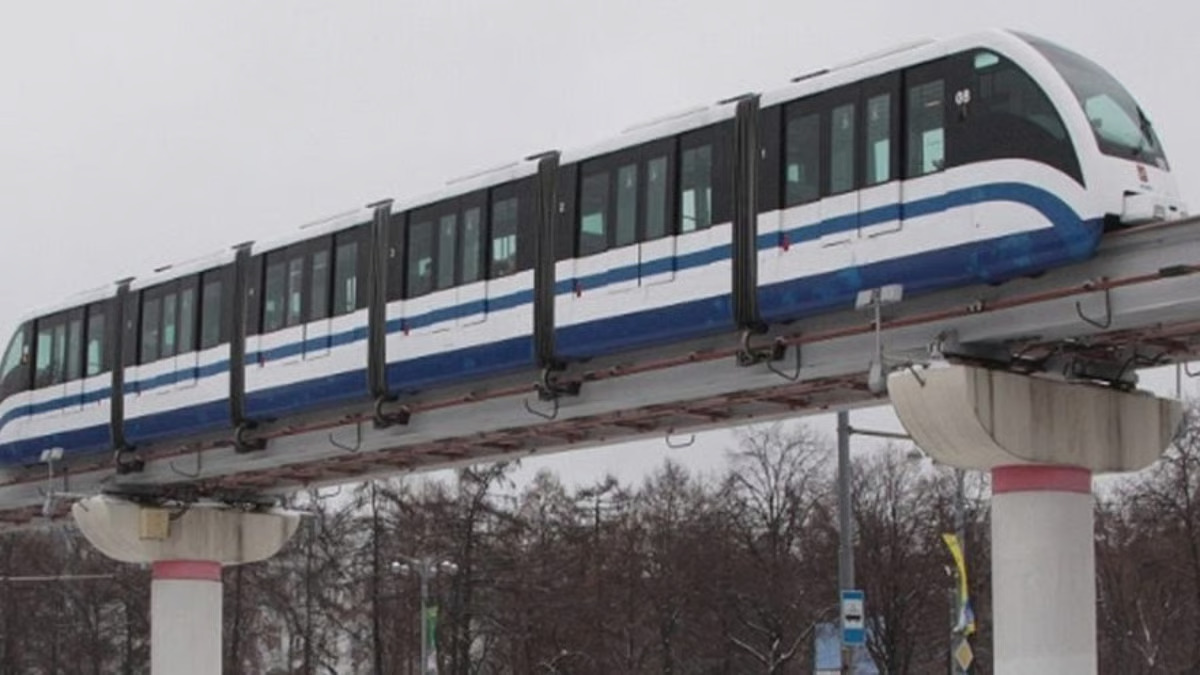
To kickstart the Raipur-Durg Metro Rail Project, the Chhattisgarh government has allocated an initial sum of ₹5 crore in the 2024–25 state budget for a comprehensive feasibility survey. This crucial allocation marks the initial phase of assessing the technical, financial, and operational viability of the proposed metro corridor. Furthermore, the state is exploring the implementation of a light metro system in Raipur, having signed a Memorandum of Understanding with a Russian transport ministry in August 2024, demonstrating a proactive approach to adopting advanced urban transit solutions.
A dedicated Capital Region Development Authority (CRDA) is being established to spearhead the planning and execution of the metro project and oversee coordinated development across the entire proposed SCR. This nodal agency will be responsible for critical functions including land use regulation, infrastructure development, investment facilitation, and environmental management within the region. The CRDA’s comprehensive mandate aims to ensure cohesive urban growth, aligning all development with principles of sustainability and ecological balance.
To ensure the financial sustainability of capital-intensive infrastructure projects like the Raipur-Durg Metro, the CRDA will possess the statutory authority to impose a dedicated infrastructure cess. This funding mechanism, alongside the responsibility for preparing annual budgets and submitting progress reports, signifies a robust framework for long-term project viability. The metro corridor is poised to not only enhance connectivity but also to significantly contribute to reducing the carbon footprint of urban travel, fostering a zero net carbon environment, and promoting gender-neutral access to efficient public services across Chhattisgarh’s evolving urban landscape.
Also Read :Chennai completes metro tunnel between Kodambakkam and Panagal Park under Phase II
