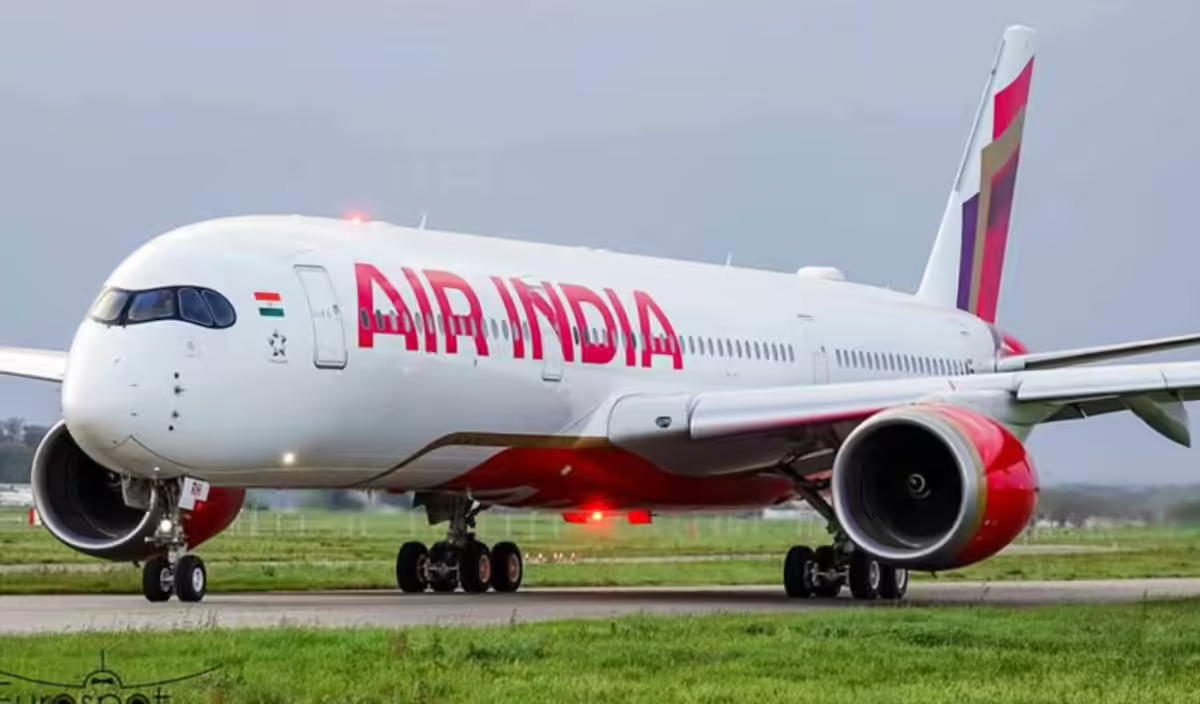
Raipur Air India Flight Delayed As Door Fails To Open, Flyers Stranded
A significant lapse in operational readiness at Raipur’s Swami Vivekananda airport has brought the reliability of aviation infrastructure under public scrutiny. The incident, involving a commercial flight from Delhi, saw approximately 160 passengers stranded for over an hour on the tarmac after the aircraft’s main door failed to open. This disruption not only caused considerable anxiety but also highlighted critical gaps in service delivery and emergency communication protocols, which are essential for a safe, sustainable, and equitable public transport ecosystem.
The flight, which originated from Delhi, touched down at the Raipur airport at 10:05 PM on a Sunday. According to multiple passenger accounts, a routine disembarkation was abruptly halted when a technical fault prevented the aircraft door from opening. This led to a state of confusion that was exacerbated by a reported lack of clear communication from the cabin crew. While passengers remained confined, a further layer of anxiety was added when the aircraft’s internal power supply reportedly ceased, raising concerns about potential safety breaches and the effectiveness of on-board emergency systems.
This incident offers a stark reminder that the vision of a gender-neutral and sustainable city relies heavily on predictable and reliable public services, including air travel. When operational failures occur, they impact a diverse cross-section of society and can erode public trust. A consistent and dependable air travel system is a cornerstone of an equitable urban environment, enabling commerce, connectivity, and social mobility. The unreliability demonstrated in this incident could potentially push travellers towards less efficient or more carbon-intensive modes of transport, thereby undermining efforts to create zero net carbon urban centres.
While officials from the airline later clarified the incident as a “technical fault,” there were also conflicting reports that the power outage was part of a “routine security drill.” This contradictory information highlights a significant challenge in airline crisis management and passenger communication. A transparent and consistent narrative is paramount during service disruptions to manage passenger expectations and maintain a sense of security. The experience of being without power and in a state of uncertainty for an extended period is emotionally taxing and underscores the need for robust protocols that prioritise passenger well-being and clear, consistent messaging from all stakeholders.
All passengers eventually disembarked safely with no reported injuries or medical emergencies. However, the incident serves as a crucial case study for aviation authorities and airline operators to review and fortify their standard operating procedures. The event at Raipur is not merely an isolated technical glitch; it is an indicator of the broader systemic challenges in maintaining a resilient and passenger-centric public transport network. Ensuring the highest standards of safety, communication, and operational efficiency is not just a matter of business viability but a societal imperative for a modern, well-connected city.