


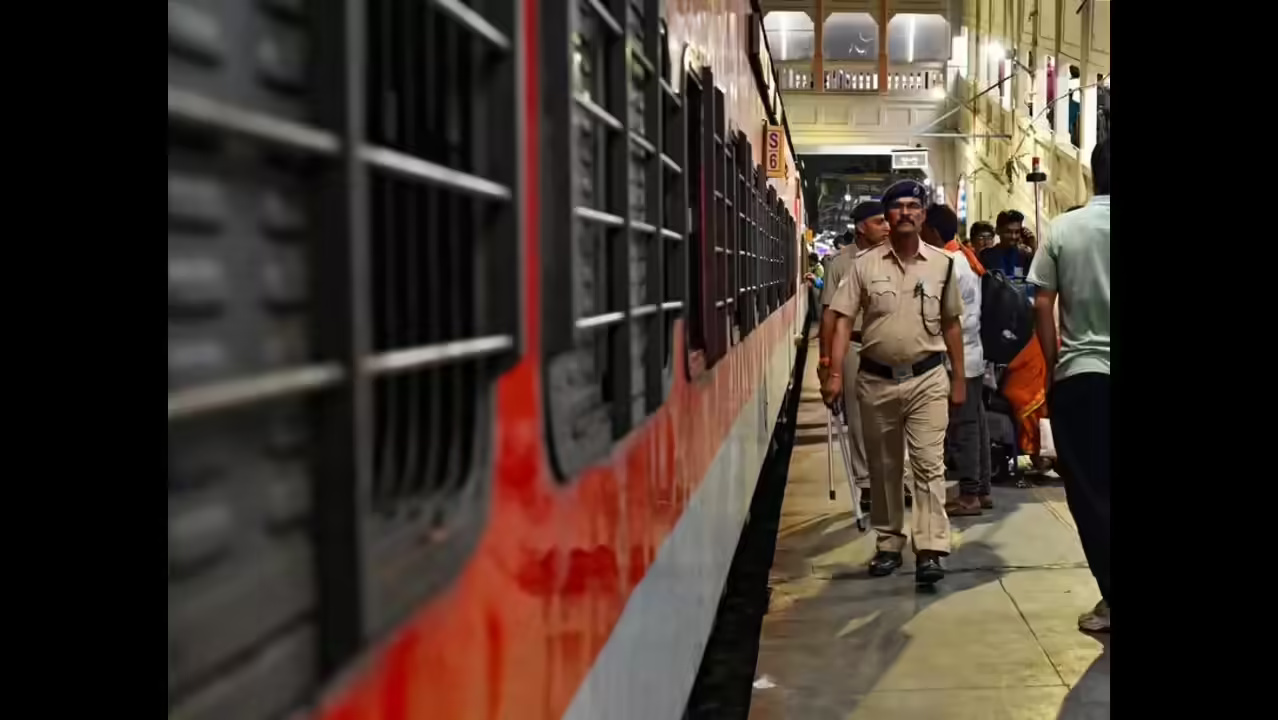
The Indian Railways has rolled out a comprehensive programme of biannual station facility audits aimed at elevating passenger service standards and strengthening accountability across the country’s major rail hubs.
The new directive — encompassed in instructions from the Railway Board — positions passenger amenities and infrastructure quality at the centre of operational priorities as India’s rail network contends with rising demand and evolving commuter expectations. Under the updated framework, all Category 1 and Category 2 stations — those with high footfall and strategic importance — will undergo structured inspections twice a year, covering essential service elements such as toilets, drinking water points, seating, lighting, surveillance systems and stall conditions. Audits will also incorporate direct passenger feedback into assessments, thereby bridging administrative evaluations with commuter experience.
The renewed audit schedule divides the year into two distinct phases — January to June and July to December — with zonal railways required to submit detailed compliance reports before each inspection cycle begins. These reports must document remedial action taken on previous findings alongside outstanding issues, adding a layer of institutional trust and continuity to infrastructure performance monitoring. Senior railway officials emphasise that this systematic audit process is designed to address historical gaps in how stations have managed basic amenities. Previous national audit reports — including performance evaluations of selected stations — have highlighted uneven provision of core infrastructure such as sanitation, water availability and passenger circulation facilities, underscoring the need for regular oversight and corrective measures.
The audit teams themselves will be multidisciplinary, including representatives from operations, civil engineering, mechanical and electrical departments, ensuring that assessments span both service delivery and structural integrity. Coordination of the programme has been delegated to Kolkata Metro authorities, with principal security officers acting as conveners, underscoring cross-organisational collaboration within the rail sector. Transport analysts say the expanded focus on station infrastructure is timely: India’s rail network serves millions of passengers daily, and stations function as vital urban interfaces linking city transport with regional mobility ecosystems. Improving basic facilities can have cascading benefits for commuter comfort, safety and operational efficiency — particularly as the railways pursue ambitious expansion of services and infrastructure across metropolitan and regional corridors.
Moreover, integrating commuter feedback into performance evaluations reflects a growing emphasis on user-centred service design in public transport. As cities and towns look to reduce reliance on private mobility — a key pillar of sustainable urban planning — ensuring that rail stations offer a reliable and comfortable experience becomes an important factor in modal shift strategies. Yet, experts caution that audits must be complemented by resourced follow-through. Regular evaluations without timely corrective action can erode trust, especially among daily commuters who experience persistent challenges such as inadequate sanitation or intermittent access to drinking water. Linking audit outcomes with targeted funding streams and maintenance regimes will be critical to converting assessment insights into tangible service improvements on the ground.
As Indian Railways implements these biannual facility audits, the initiative could set a benchmark for passenger-oriented infrastructure management — reinforcing stations not merely as transit points but as integrated urban spaces that contribute to quality of life and equitable access to public transport.
Also Read: Patna begins Phase 1 of Kosi-Mechi river linking project
Railways tightens facility audits to improve passenger service
