


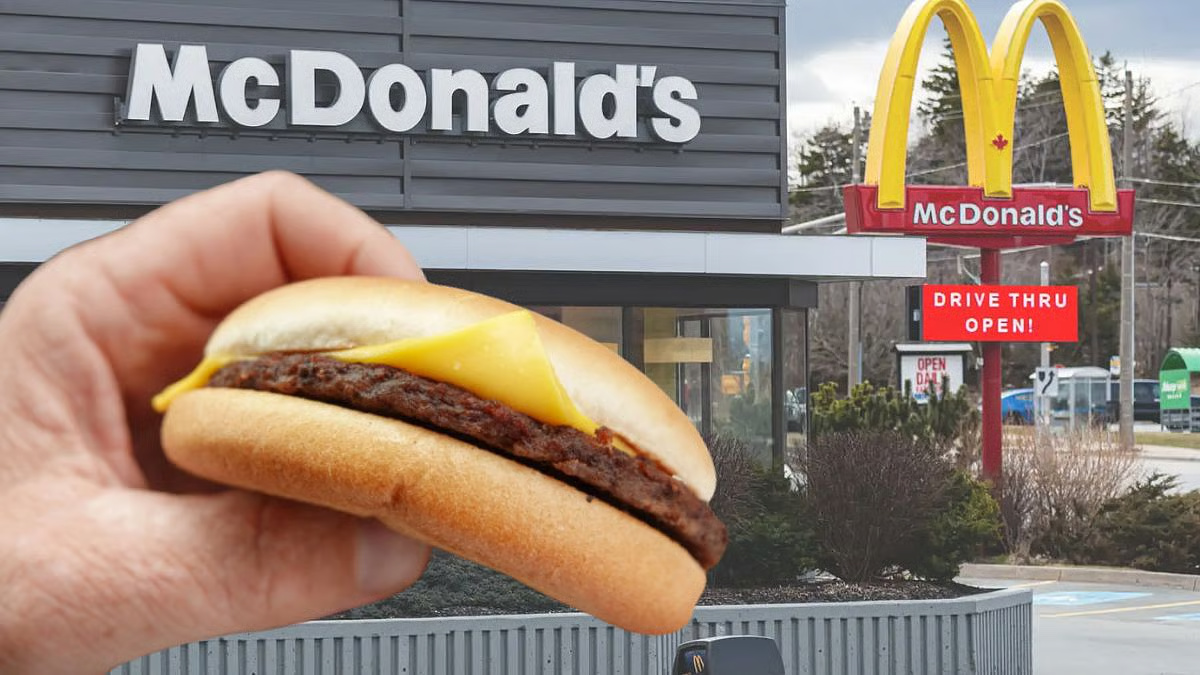
The national rail network is set for a major upgrade in passenger amenities, with the Ministry of Railways approving a new category of branded food outlets at stations across India. The initiative, which permits well-known quick-service and packaged-food companies to operate at designated locations, aims to enhance the quality, consistency and safety of meals offered to millions of commuters each day. Officials say the reform is part of a larger push to modernise stations and make long-distance travel more inclusive, comfortable and aligned with contemporary expectations.
The move introduces a fresh category called “premium brand catering outlets” under the existing Catering Policy 2017. These outlets will operate alongside traditional stalls such as tea counters and juice bars, but with higher standards of service and clearly defined operational guidelines. A senior official explained that the intention is to offer passengers the kind of food diversity now common at airports and large urban transit hubs, while maintaining affordability and regulatory oversight. The Railway Board has circulated detailed instructions to all zonal railways, directing them to identify stations where demand, footfall and layout feasibility support such outlets. Industry observers believe that introducing well-recognised brands could help raise hygiene benchmarks and reduce the long-standing inconsistency in food quality that passengers often report. However, they also stress that premium options must not displace smaller vendors who rely on station-based livelihoods, underscoring the need for balanced implementation that supports both organised and informal sectors.
In line with policy transparency, the Railways has categorically ruled out any allotments through direct nomination. Instead, licences for these premium brand outlets will be granted only through the established e-auction platform. This, officials say, ensures a level playing field and allows the Railways to generate additional revenue without compromising on fairness. A separate auction segment will be created specifically for premium brands. The guidelines further state that outlets may be run either by the parent company or by an authorised franchisee, but they must operate under a single brand identity to prevent misuse of licences. Each licence will run for a standard five-year term, consistent with other catering categories. Financial terms, including minimum licence fees, will continue to follow the framework already laid out in the Catering Policy.
Zonal railways have been encouraged to draft station-specific conditions that account for local constraints, passenger loads and sustainability considerations. Experts suggest this could be an opportunity to embed greener practices—such as reduced plastic usage, energy-efficient equipment and better waste-segregation systems—into the new format. These measures, they note, would support India’s broader transition towards cleaner and more equitable transport environments. As Indian stations evolve into multi-functional public spaces, the introduction of premium catering outlets marks another step in making railway travel more predictable, pleasant and future-ready. How the policy is implemented—particularly across smaller cities—will determine its long-term impact on both commuter experience and local economic ecosystems.
Also Read : Thane Municipal Commissioner Seeks Immediate Ghodbunder Road Repairs Before Final Road Transfer
