


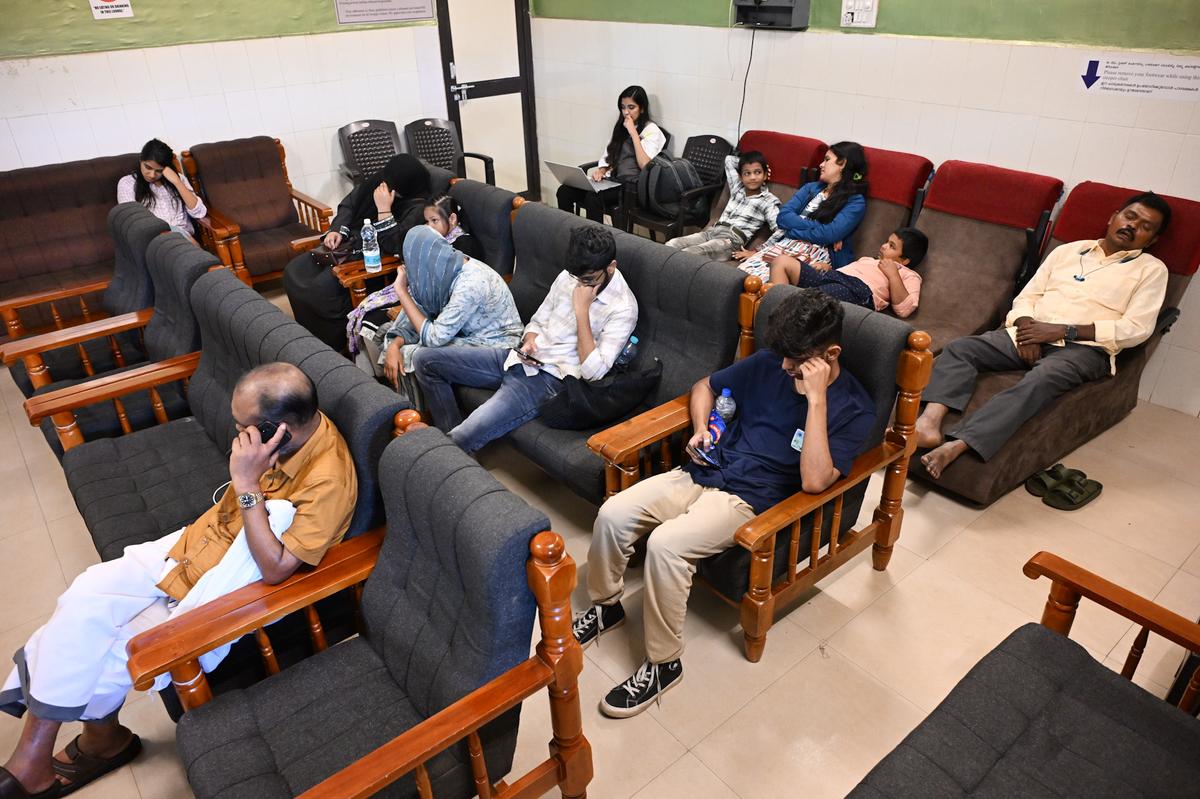
Bhagalpur’s railway station will soon begin charging ₹10 per hour for use of its newly renovated air-conditioned waiting halls from 15 July under Indian Railways’ strategic shift towards privatised station management. This move marks a clear departure from the longstanding no‑cost waiting facility, aiming to enhance passenger comfort and operational sustainability.
The fare applies specifically to air-conditioned halls managed by private entities at stations across India. Stations in Kolkata, Rampurhat, and Howrah have already implemented the model. The policy will be extended now to Bhagalpur, Sultanganj, and Jamalpur in Bihar’s Malda Railway Division, a senior division official confirmed. These stations have been upgraded aesthetically and equipped with small canteens to enrich passenger experience. Under the new framework, passengers seeking shelter in the cool comfort of an AC waiting hall must pay ten rupees per hour. According to station executives, these facilities will be operated by private agencies contracted by Indian Railways, part of a broader effort to improve quality of service and maintain amenities more efficiently. The added revenue is expected to sustain upkeep and ensure uninterrupted comfort.
Privatising these facilities aligns with the railways’ wider agenda of modernising customer‑facing services. While critics question nominal charges for a formerly free service, authorities argue that private sector management will ensure cleaner, well‑maintained spaces. One senior durability specialist noted that optimal upkeep of AC systems, sanitation, and furniture now requires structured accountability — a role best fulfilled by dedicated facility managers under contract. From a sustainability lens, the initiative dovetails with goals of equitable urban mobility. Private operation of waiting halls, under regulated fare caps, allows enhanced amenities without burdening the taxpayer. Comfortable and hygienic waiting spaces may encourage greater ridership, reducing reliance on private transport and associated carbon emissions — especially if paired eventually with green energy on station premises.
Moreover, the inclusion of canteens run under hygienic standards promotes safer food access for commuters, including elderly travellers, women, and differently abled passengers. Station officials say that equitable access is ensured by charging only for AC halls; non‑AC areas remain free for all. Despite advantages, this policy shift raises questions around passenger equity and affordability. While ₹10 per hour may be nominal, frequent travellers whose layovers exceed two hours could incur higher daily expenses. Transport economists warn that any paid service must be balanced with improved standards — failing which, passengers may feel shortchanged.
Another official from station operations emphasised that the revenue would not circumvent public spending but instead subsidise ongoing costs like electricity, manpower, and cooling system maintenance. “This is not outright profit‑making,” the administrator clarified. “It is about service continuity and quality assurance.” Operational logistics are being finalised. Ticketing will be handled digitally by private operators, with SMS‑based tokens and QR‑codes issued for entry. Staff will monitor occupancy relative to capacity. Facility audits are scheduled monthly, and passenger satisfaction feedback will be recorded via digital kiosks.
Transport experts highlight that monetisation of premium waiting spaces is a global railway norm, and Bhagalpur’s approach mirrors international best practices. Still, they recommend periodic assessments of usage patterns, waiting occupancy, and public perception to tweak pricing strategies or service levels accordingly. Questions around gender‑neutral access have been raised—ensuring women and persons with disabilities feel equally welcome and safe in paid facilities is crucial. Authorities state that non‑AC halls will be promoted as cost‑free inclusivity zones, while AC halls will not have any gender restrictions.
This initiative contributes to India’s broader vision for climate‑smart cities. By elevating station facilities under sustainable management, railways showcase how public assets can be monetised modestly to fund quality enhancements — encouraging shifts away from carbon‑intensive travel. While Bhagalpur is the latest, observers expect phased rollouts to additional stations based on passenger volume, climate conditions, and station mix. Regions with extreme summer temperatures stand to gain most from dependable AC waiting spaces. For now, the success of Bhagalpur’s pilot will hinge on transparent fare collection, service quality, and regular maintenance. Passengers have been urged to share feedback to help refine the system before potentially broadening its reach nationally.
As facility managers prepare for the July 15 launch, the move symbolises a pragmatic blend of service improvement, cost recovery, and equitable policy — a template that may redefine passenger experience across India’s railway stations.
Also Read : Mumbai Railway Officials Ordered to Track 10 Critical Station Cleaning Spots
