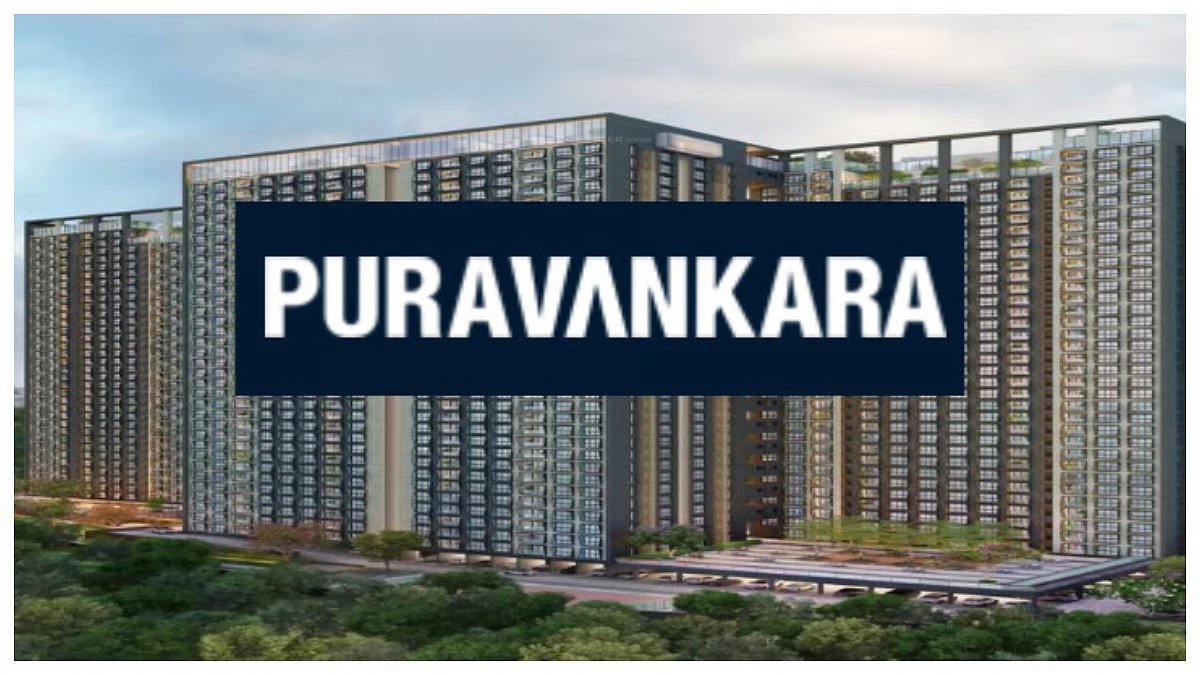
Mumbai’s redevelopment housing segment continues to gain traction, with Puravankara Ltd reporting strong early momentum from its first project launch in the city. The developer’s newly introduced residential redevelopment project in Andheri West has recorded sales exceeding ₹800 crore during its initial phase, indicating sustained demand for upgraded housing within established urban neighbourhoods.
The project, located in a well-developed suburban micro-market, witnessed significant absorption shortly after launch, with a large share of its initial inventory being booked. This response reflects a broader shift in buyer sentiment, where homebuyers are increasingly favouring redevelopment projects that combine central location advantages with modern construction standards and enhanced amenities. Industry observers note that Mumbai’s redevelopment ecosystem is undergoing a transformation, driven by the need to replace ageing housing stock with safer and more efficient structures. In densely populated areas such as Andheri, redevelopment offers a practical pathway to unlock land value while addressing concerns related to structural safety, infrastructure stress, and space constraints.
Puravankara’s entry into this segment also signals the growing participation of organised developers in what was historically a fragmented market. Experts suggest that the involvement of established firms brings improved governance, financial discipline, and execution reliability—factors that are becoming critical for housing societies evaluating redevelopment proposals. The project’s pricing, positioned within the premium segment, aligns with prevailing market trends in Mumbai’s western suburbs, where demand remains resilient despite rising property values. Buyers are showing a clear preference for larger, well-designed homes that support evolving lifestyle needs, including flexible workspaces and access to wellness-oriented amenities.
From a planning perspective, redevelopment-led growth is reshaping Mumbai’s urban form. By enabling higher density within existing city limits, such projects reduce pressure on peripheral expansion. However, urban planners caution that this densification must be supported by parallel upgrades in infrastructure, including public transport, water supply, and waste management systems, to ensure long-term sustainability. The developer’s expansion pipeline indicates a continued focus on redevelopment opportunities across key Mumbai locations, reflecting confidence in the segment’s growth potential. Analysts believe that strong early sales performance in projects like this could encourage further investment in redevelopment-led housing supply.
As Mumbai navigates the twin challenges of housing demand and limited land availability, redevelopment projects are expected to play an increasingly central role. The pace and success of such developments will depend on how effectively they balance affordability, quality, and infrastructure integration in one of the country’s most complex urban environments.
Puravankara Redevelopment Project Achieves Rs 800 Crore Sales