A 25-Year Commitment to Affordable Urbanism Places Ghodbunder Road at the Heart of MMR’s Middle-Income Housing Future
Urban Acres | Special Feature | July 22, 2025
By the Editorial Desk
As Mumbai’s urban sprawl tests the limits of affordability and sustainability, Ghodbunder Road in Thane is emerging as a rare model of integrated growth — where infrastructure, access, and affordability have aligned to build a functioning middle-class urban habitat. At the centre of this evolution is Puranik Builders, a developer whose early vision and staying power now serves as a blueprint for inclusive city-building. According to CRE Matrix, residential property values in the Ghodbunder corridor have grown from ₹6,400 per sq. ft. in 2014 to ₹13,800–₹18,000 in 2024 — a steady 10-year CAGR of 8.3%. In contrast, speculative escalations in fringe markets such as Airoli (₹23,500) and Kalyan (₹19,000+) have placed first homes out of reach for most salaried citizens. And yet, Ghodbunder’s housing market remains active, stable, and end-user dominant: 81% of buyers in FY 2024–25 registered self-use affidavits under the Maharashtra Stamp Duty Act. This long-term stability, experts note, didn’t happen by chance — it was architected.
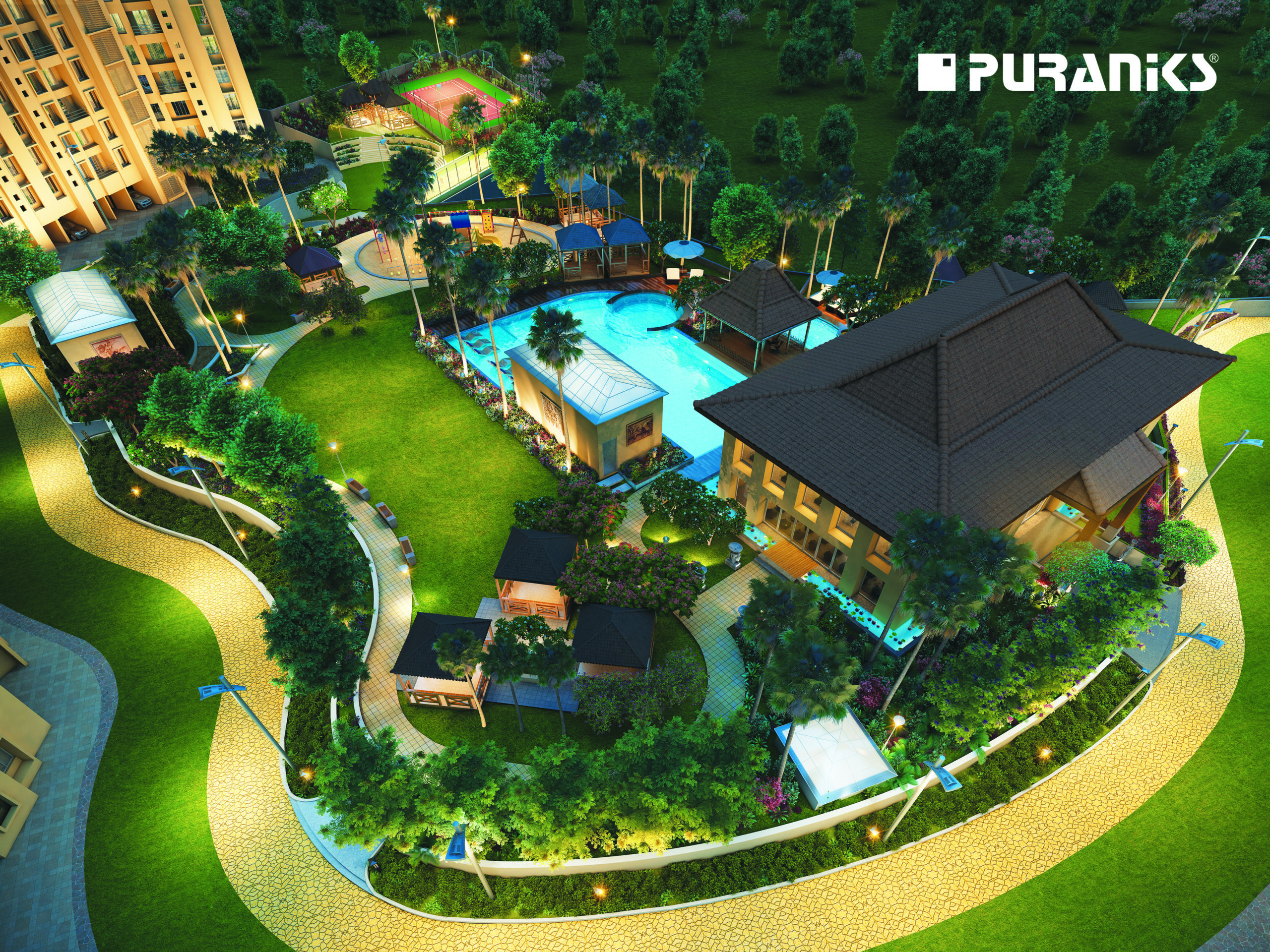
Puranik Builders, whose presence in the Ghodbunder belt dates back to 2000, has delivered over 7.5 million sq. ft. of residential housing, housing over 9,000 families — the largest footprint by a single private developer in the zone. Their phased development approach through projects like Puranik City, Rumah Bali, and others maintained a consistent price philosophy, catering to families in the ₹55–90 lakh segment, even during cycles that tempted many peers to shift upscale. “In the story of urban India, we often speak about smart cities, but forget about stable cities,” says Shailesh Puranik, Managing Director, Puranik Builders. “We chose to build for stability — to create housing that middle-income families could own, live in, and grow within. Ghodbunder was not speculative ground for us; it was a promise to urban dignity.”
That promise is now being fulfilled in concert with public infrastructure. With Metro Line 4 (Wadala–Kasarvadavli) in final trials, the Borivali–Thane twin tunnel underway, and the Kasarvadavli flyover already operational, the corridor is reaping the benefits of its patient urbanism. An arterial coastal link between Balkum and Gaimukh, currently under review by MMRDA, is expected to further strengthen east-west and western connectivity. Importantly, Ghodbunder has now been shortlisted as a pilot zone under the Middle-Income Growth Corridor component of Maharashtra’s Urban Housing 2040 policy. The initiative, which seeks to create replicable, infra-linked affordable urban belts across the state, uses metrics such as land cost-to-income ratio, mass transit accessibility, and self-use housing density — all boxes Ghodbunder confidently ticks.
“This corridor is not just a geography. It’s an idea — that affordable cities are still possible if we build them around people, not only around prices,” notes Prachi Desai, Urban Policy Analyst at Urban Acres. “And Puranik Group’s long-term stewardship here shows that developers can be guardians of that idea, not just sellers of inventory.” As India’s housing discourse increasingly shifts from volume to value and viability, Ghodbunder Road offers a rare and replicable urban success — a case where affordability did not come at the cost of aspiration, and infrastructure was not decoupled from intent.
Puranik Group Anchors Ghodbunders Evolution as Indias Urban Equity Corridor