Punjab Wheat Transport Plan Signals Major Logistics Challenge
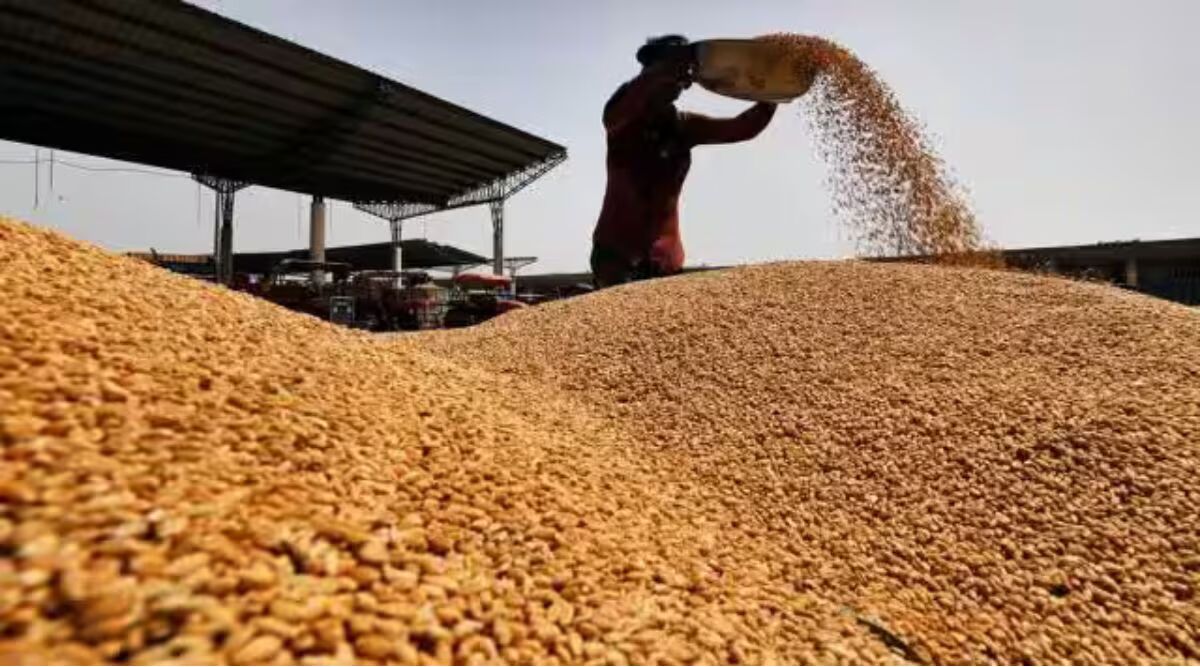
Punjab is preparing to deploy around 860 trains over the next three months to move freshly procured wheat out of mandis, in what could become one of the largest seasonal food-grain transport operations in the state’s recent history. The move comes ahead of the wheat procurement season beginning April 1 and is aimed at preventing severe congestion in grain markets and reducing pressure on limited storage capacity.
Officials involved in procurement planning said the scale of the operation reflects a recurring structural problem: the state produces and procures far more wheat than it can store locally. Every year, millions of tonnes of grain are purchased for the central pool, but evacuation to storage depots and other states often lags behind procurement. This year, authorities estimate a significant storage shortfall and have therefore prioritised rapid movement directly from mandis to railheads. The Punjab wheat transport plan is also being shaped by timing. Wheat arrivals typically peak within a few weeks of harvesting, which means even small delays in transport can quickly lead to overcrowded mandis. Officials have indicated that hundreds of trains are expected to run in April and May alone, with additional rakes planned in June to clear the remaining stock. Districts with large procurement volumes, including those in central and border Punjab, are likely to account for a significant share of the movement. Beyond the immediate logistical challenge, the development highlights the growing importance of transport infrastructure in India’s agricultural economy. Rail-based evacuation is often the only viable option when procurement volumes are high, as road transport alone cannot handle the rapid movement required during the peak procurement window.
Urban planners and infrastructure experts say the issue is no longer just about farming; it is increasingly about how logistics networks — including rail yards, storage hubs and inter-state freight corridors — connect agricultural regions to national supply chains. The Punjab wheat transport plan also reflects broader pressure on grain-handling infrastructure across northern India. Recent reports suggest that state authorities have already sought approval for direct lifting of wheat from mandis because of a shortage of storage space, while district administrations are simultaneously preparing markets, labour arrangements and transport systems ahead of the procurement season. For cities and towns across Punjab, the impact of the operation will extend beyond agriculture. Large-scale grain movement affects road traffic, railway operations and temporary storage near urban centres where major mandis are located. Experts say the situation underlines the need for modern, climate-resilient storage facilities and better integration between agricultural logistics and urban infrastructure planning — especially in states where procurement volumes remain among the highest in the country.
If the transport plan works as intended, it could help reduce delays faced by farmers and improve the efficiency of the procurement system. However, it also highlights a deeper structural issue: without long-term investment in storage and logistics infrastructure, seasonal congestion in mandis is likely to remain a recurring challenge in the years ahead.