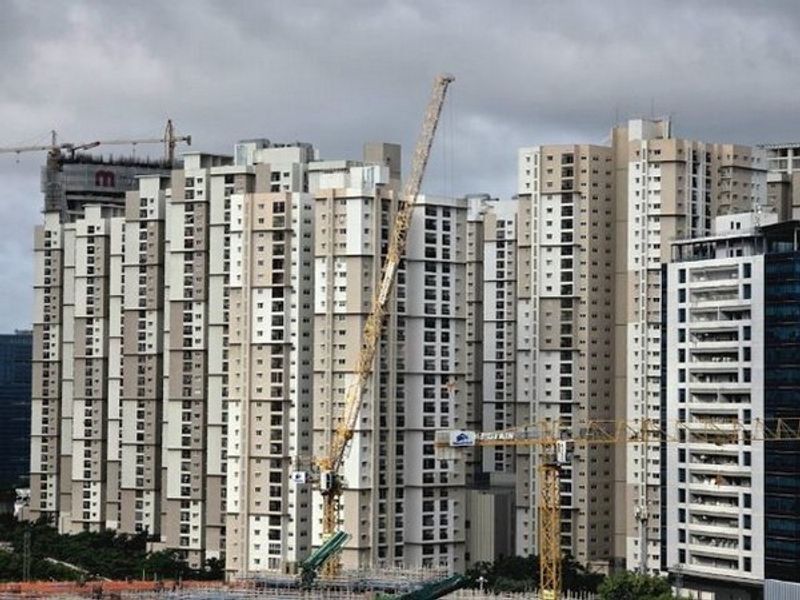
A new ₹750 crore investment in Ludhiana’s housing market is set to accelerate the shift toward large-scale, master-planned communities in Punjab. The proposed integrated township, led by TDI Infratech in partnership with DC Group, reflects growing confidence in tier-two cities as engines of organised urban expansion and real estate demand.
The project, spread across nearly 150 acres, will deliver a mix of group housing, plotted developments, and low-rise residential formats, with a total development potential exceeding 6 million square feet. This scale positions the development as one of the larger private-led township initiatives in Ludhiana, a city increasingly attracting structured real estate investment due to its industrial base and evolving urban profile. At a strategic level, the Ludhiana township investment underscores a broader recalibration within India’s real estate sector. Developers are increasingly targeting non-metro markets where land availability, rising incomes, and aspirational housing demand converge. Industry analysts note that integrated townships—combining residential, commercial, and lifestyle infrastructure—are gaining traction as they offer controlled environments and long-term asset value. The timing of the investment is also notable. The project marks a renewed expansion phase for the developer following its transition to a debt-free balance sheet in 2025, enabling greater financial flexibility for large-scale projects. This aligns with a wider trend where balance sheet consolidation is allowing real estate firms to re-enter growth cycles with capital-intensive developments.
For Ludhiana, the township is expected to influence both spatial growth and housing typologies. As industrial and service sectors expand, demand is shifting toward organised residential formats with better infrastructure, security, and amenities. Planned developments of this scale often act as urban anchors, triggering surrounding land development and reshaping peri-urban corridors into structured residential zones. Urban planners highlight that such projects can help address fragmentation in city growth, provided they are integrated with external infrastructure systems. Connectivity to highways, public transport, water supply, and waste management networks will be critical to ensuring that the township functions as a sustainable urban extension rather than an isolated enclave. The Ludhiana township investment also reflects changing consumer preferences in the post-pandemic housing market. Buyers are increasingly prioritising space, community infrastructure, and low-density living formats—factors that favour plotted developments and independent floors over high-rise apartments. This shift is particularly visible in tier-two cities, where land costs allow for more flexible housing designs.
However, experts caution that the long-term success of such projects will depend on execution quality and governance frameworks. Ensuring environmental sustainability, efficient resource use, and inclusive access will be essential as cities expand through private-led developments. As Punjab’s urban centres evolve, the Ludhiana township investment signals a move toward more structured, large-format real estate development. If aligned with infrastructure planning and sustainability goals, it could contribute to more balanced urban growth while reinforcing the role of tier-two cities in India’s real estate trajectory.