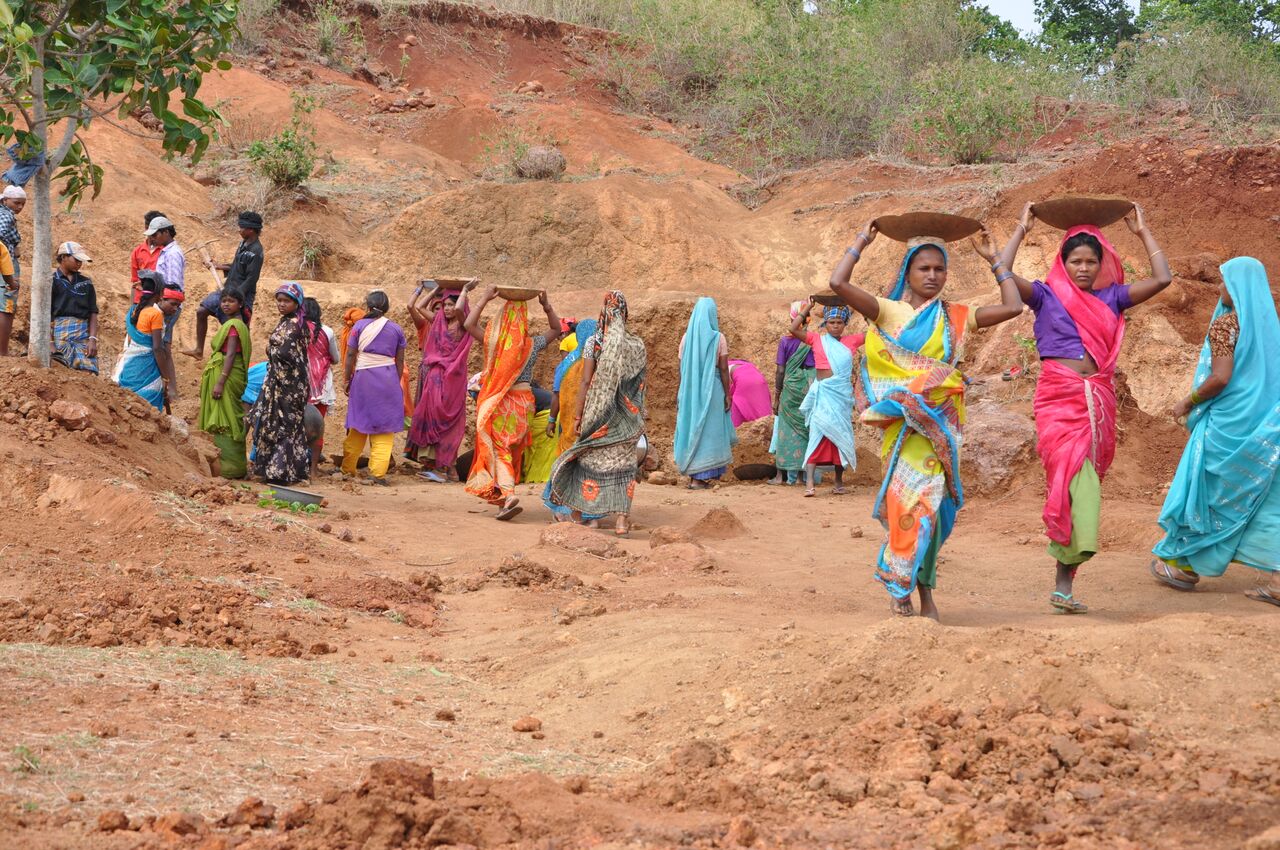
Punjab MGNREGA allocation targets village livelihoods
Punjab’s latest state budget has earmarked ₹1,500 crore for the rural employment guarantee programme, signalling a renewed focus on stabilising village incomes and sustaining local infrastructure development across the state. The funding commitment, announced as part of the 2026–27 fiscal plan, aims to support wage employment while enabling small-scale public works that strengthen rural resilience and local economies.
Officials involved in the budgeting process indicate that the MGNREGA allocation is designed to expand work opportunities in villages where seasonal employment gaps remain a persistent challenge. The scheme, which guarantees wage work through labour-intensive public projects, continues to serve as a key economic buffer for rural households facing uncertain farm incomes and fluctuating commodity prices. Urban development analysts note that while the programme operates in rural areas, its economic impact reaches nearby towns and emerging urban clusters. When rural wages stabilise, local consumption tends to rise—supporting small retail, services, and construction activities in peri-urban markets. In this way, the MGNREGA allocation indirectly strengthens regional economic ecosystems and reduces distress migration toward cities.
The employment programme is expected to prioritise projects such as water conservation works, land development, rural roads, and environmental restoration. These labour-driven initiatives often double as climate adaptation tools by improving water management, soil quality, and community infrastructure. For a state facing groundwater stress and changing weather patterns, such works can contribute to long-term sustainability. Alongside rural employment funding, the state budget outlines additional investments in housing, infrastructure and municipal development. Approximately ₹800 crore has been proposed to expand rural housing under a national housing scheme, while allocations to municipal development funds have increased significantly to support urban infrastructure upgrades.
Urban planners say such parallel investments suggest an attempt to address both ends of the rural–urban development spectrum. Strengthening village livelihoods can reduce pressure on already stretched urban infrastructure, particularly in rapidly growing cities where informal migration often strains housing, transport and sanitation systems. Experts emphasise that the effectiveness of the MGNREGA allocation will depend largely on timely implementation, transparent wage payments, and the selection of projects that create lasting community assets. Digital monitoring tools and local governance participation are increasingly seen as essential to ensure that employment schemes translate into measurable economic and environmental outcomes.
As Punjab navigates fiscal pressures and structural shifts in agriculture, the renewed commitment to rural employment signals an effort to keep village economies productive while supporting a more balanced regional development trajectory.