


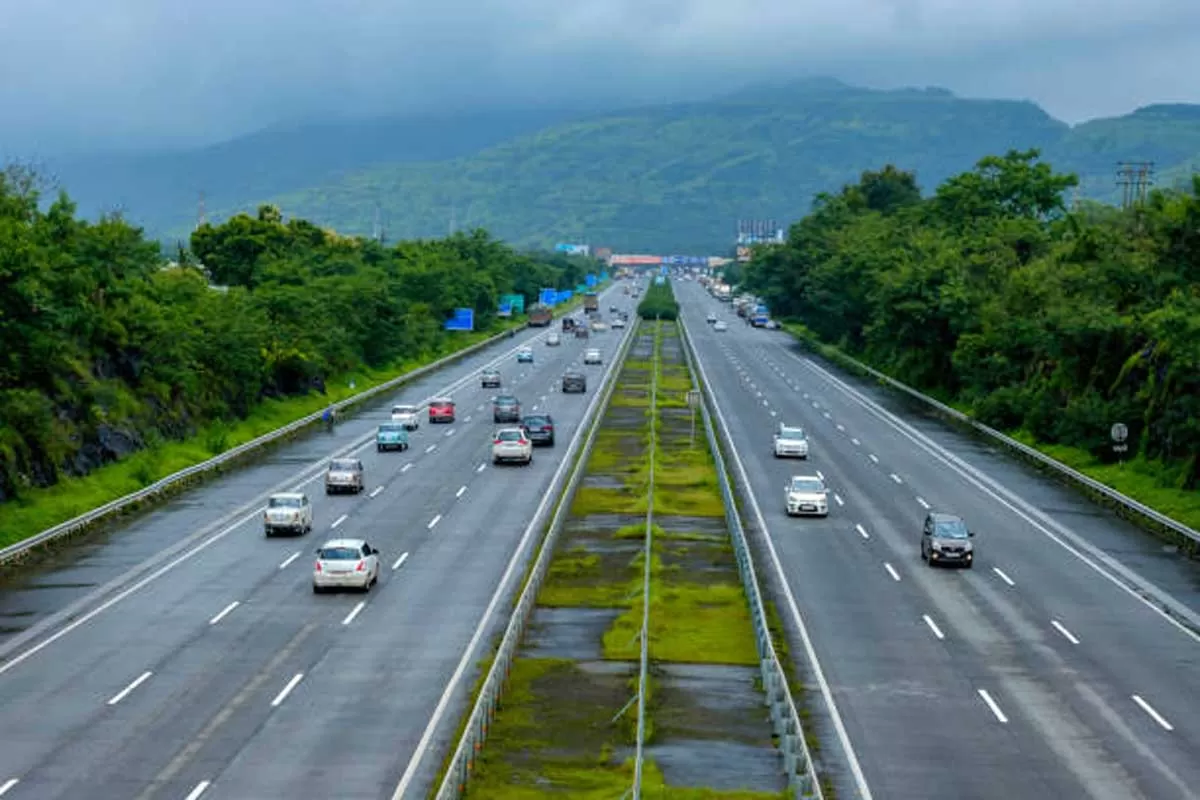
The Punjab government has cleared the statutory pathway for expanding a key state highway linking Nangal and Kiratpur Sahib into a four-lane corridor, marking a significant step in upgrading regional road infrastructure in the state’s northern belt. The decision is expected to ease congestion, improve safety and strengthen economic linkages between industrial, religious and residential centres along the route.
The notification formalises land acquisition and development parameters for widening the existing road, which currently handles a mix of local traffic, freight vehicles and pilgrim movement. Officials involved in transport planning said the corridor has long exceeded its design capacity, resulting in delays, accident risks and rising logistics costs for nearby towns and villages. Urban planners view the project as part of a broader transition in Punjab’s infrastructure strategy, where highways are increasingly treated as engines of balanced urban growth rather than mere transit routes. The Nangal–Kiratpur Sahib stretch connects smaller urban settlements with industrial zones, agricultural markets and tourism destinations, making it critical to the regional economy. From a mobility perspective, four-laning is expected to improve travel time reliability and create safer conditions for pedestrians and two-wheelers through better lane separation and service road planning. Transport experts stress that road widening alone is not enough; integrating junction redesigns, drainage upgrades and roadside safety infrastructure will be essential to deliver long-term benefits.
The project also carries implications for real estate and land-use patterns. Improved road access typically raises land values along corridors, encouraging residential and commercial development. Planning professionals caution that without clear zoning and development controls, such growth can lead to ribbon development, environmental stress and pressure on local services. Aligning the highway expansion with local area plans will be key to ensuring orderly, inclusive growth. Environmental considerations remain central to the project’s execution. The corridor passes through areas vulnerable to seasonal waterlogging and heat stress. Climate-resilient design — including proper stormwater management, tree-lined buffers and durable road materials — can reduce long-term maintenance costs while improving comfort for road users. Experts note that integrating such measures at the design stage is more cost-effective than retrofitting later. For local communities, the upgrade promises improved access to healthcare, education and employment opportunities in nearby towns. However, land acquisition processes must be managed transparently to protect livelihoods and minimise displacement. Infrastructure specialists emphasise that fair compensation and community engagement are critical to maintaining public trust in large public works.
Officials overseeing highways in the state indicated that the next phase will involve detailed engineering design and tendering, with construction timelines to be finalised after environmental and technical clearances. Traffic management during construction is expected to be a key challenge, given the route’s importance to daily commuters. As Punjab looks to modernise its transport backbone, the Nangal–Kiratpur Sahib road expansion reflects a wider shift towards regionally balanced, people-first infrastructure. The success of the project will ultimately depend on how effectively it balances speed, safety, sustainability and local economic integration.
Also Read: Pune Road Repairs Face External Quality Checks
Punjab Four Lane Road Plan Advances Mobility
