Farmers across Punjab’s Jalandhar, Hoshiarpur, and Phagwara districts are pushing back against a proposed urban estate development plan that involves land acquisition under a pooling scheme. The move has triggered growing resistance in several villages, where landowners—many of whom are small and marginal farmers—fear a second displacement and the loss of their sole means of livelihood.
The state government’s advertisement, published earlier this month, outlined plans to acquire around 1,000 acres from six villages on the outskirts of Jalandhar. Additional land is also proposed to be acquired near Phagwara and Hoshiarpur. In response, residents have held informal discussions, mobilised panchayats, and organised village-level protests to oppose what they term a forced acquisition. Farmers have also expressed concern over the lack of transparency in the planning process.
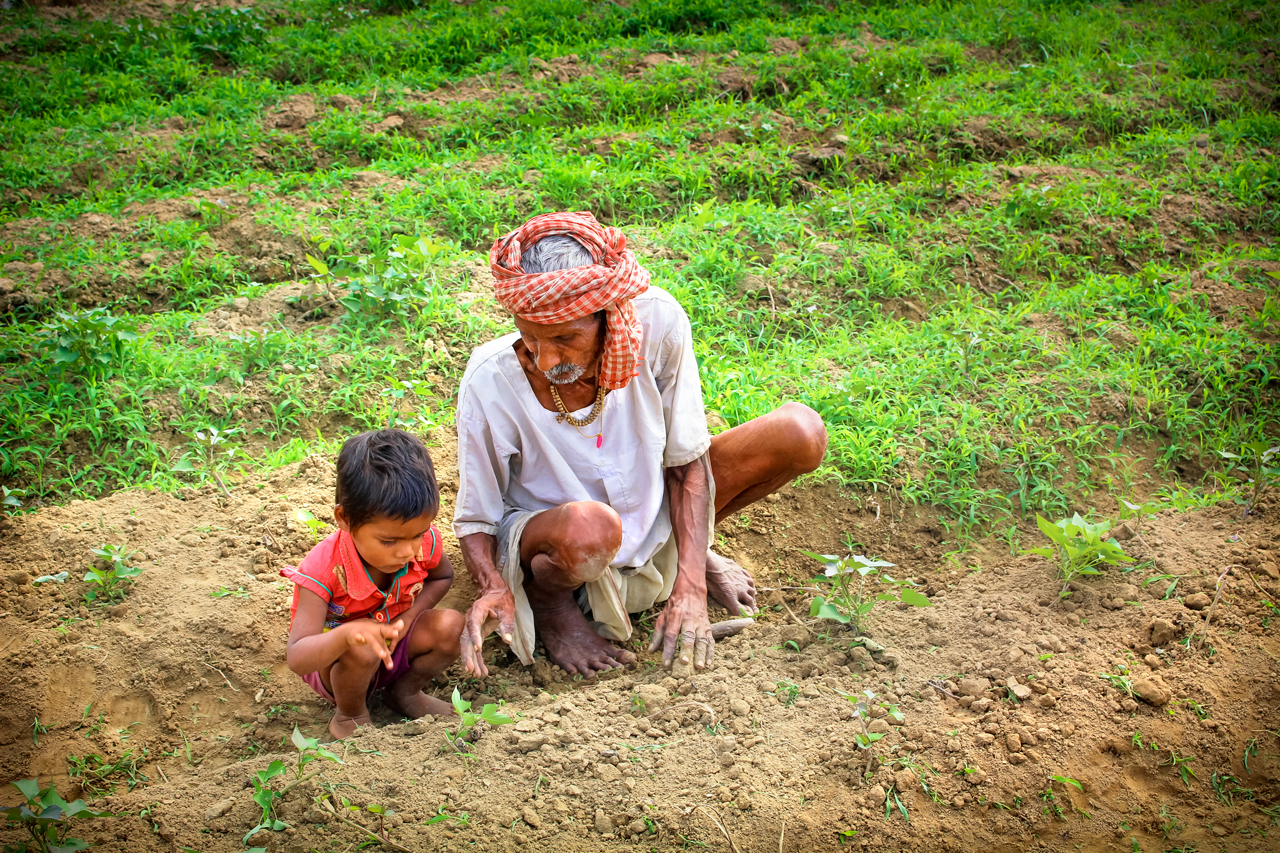
In Hoshiarpur, farmers have formalised their opposition by forming a grassroots committee dedicated to preventing the “uprooting” of their communities. A memorandum submitted to the district authorities highlighted how their fertile land yields three crops annually, making it vital to their food security and income. Many of these families, according to the committee, had already been displaced once during the Partition and now face the threat of losing their land again.
While officials have cited urban expansion and infrastructure growth as reasons for the proposed urban estates, many locals argue that no alternative livelihoods or rehabilitation plans have been offered. For households dependent solely on their land, the acquisition would not only mean displacement but also economic precarity. In Bhullara village, near Phagwara, 200 acres are expected to be acquired for urban expansion.
Local representatives argue that a majority of the farmers affected are smallholders with no other source of income. Several have already begun coordinating larger gatherings to publicly register their opposition to the plan. This growing rural opposition underlines a broader challenge facing urban expansion policies in India—how to balance developmental goals with grassroots consent and equitable outcomes.
Sustainable urban development, they argue, must be rooted in inclusive planning frameworks that protect the rights and livelihoods of rural communities. As the state government pushes forward with its urbanisation agenda, it now faces mounting pressure to revisit its approach, one that could determine whether Punjab’s urban growth unfolds through consent or conflict.