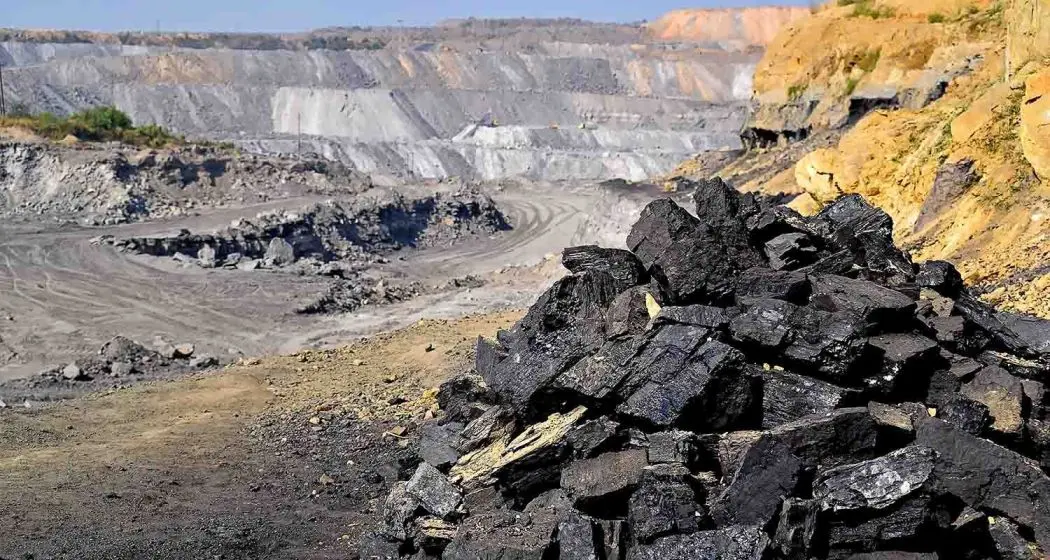
India Coal Distribution System Shapes Industrial Supply Chains
Concerns over coal availability are intensifying across Punjab’s brick kiln industry, with operators warning that unstable supply and rising prices could disrupt construction activity in the Chandigarh region and beyond.Brick kiln associations across key clusters—including Fatehgarh Sahib, Khanna and Samrala—have flagged growing difficulties in securing coal, citing irregular supply and alleged market distortions that are pushing fuel costs beyond viable levels. Industry representatives say the situation has made routine operations increasingly unsustainable, with several units already facing financial strain.
At the centre of the issue is the Punjab coal supply crisis, which is affecting one of the region’s most labour-intensive and construction-critical sectors. Brick kilns depend almost entirely on coal as their primary fuel, making them highly vulnerable to fluctuations in availability and pricing. With coal becoming harder to procure at stable rates, operators are warning of reduced production cycles and potential shutdowns if conditions persist.The implications extend well beyond kiln owners. Brick manufacturing is a foundational component of the construction supply chain, directly influencing the cost and pace of urban development. Any disruption in kiln operations can translate into higher input costs for housing, infrastructure, and public works projects—especially in fast-growing urban centres around Chandigarh.Industry estimates suggest that rising coal costs are already feeding into brick prices, with a cascading effect on construction budgets. Stakeholders note that even marginal increases in fuel costs can significantly alter the economics of brick production, given the sector’s thin margins and dependence on seasonal operations.
The Punjab coal supply crisis also reflects broader structural challenges in fuel distribution. Reports of black-market activity and inconsistent quality have added to uncertainty, making it difficult for kiln operators to plan procurement or maintain consistent output. Urban planners and infrastructure experts highlight that such disruptions can slow down project timelines, particularly in affordable housing and small-scale construction, where cost sensitivity is high. In regions experiencing rapid peri-urban expansion, delays in material supply can affect not just developers but also informal construction networks that rely on steady access to bricks.At the same time, the crisis intersects with ongoing environmental regulations aimed at reducing coal dependence in polluting industries. While policy measures increasingly encourage cleaner alternatives such as biomass co-firing, industry participants point out that these transitions require stable supply chains and technological adaptation—both of which remain uneven.The current situation underscores the need for a more coordinated approach to managing fuel supply for essential construction inputs. Experts suggest that improving transparency in coal distribution, strengthening logistics, and supporting gradual fuel transitions could help stabilise the sector.
Looking ahead, the trajectory of the Punjab coal supply crisis will be critical for the region’s urban growth. Ensuring reliable access to fuel for brick production—while simultaneously advancing cleaner alternatives—will determine how effectively cities in northern India can balance infrastructure expansion with environmental and economic resilience.