Punjab Budget Allocates ₹1000 Crore For Urban Infrastructure
Punjab’s latest state budget has earmarked ₹1,000 crore to upgrade urban infrastructure, signalling a renewed policy focus on strengthening civic services in rapidly expanding cities and municipal towns across the state.
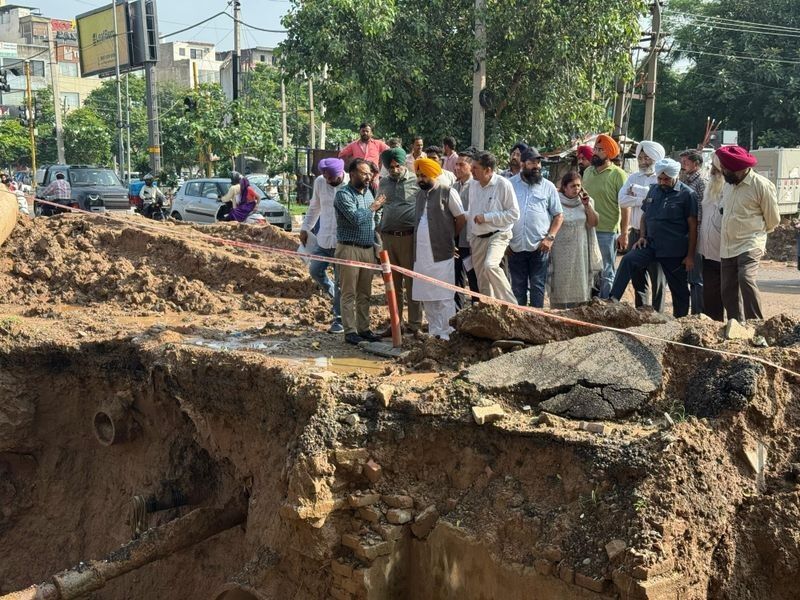
The funding allocation for Punjab urban infrastructure funding is intended to support improvements in water supply, sanitation systems and other municipal services in dozens of urban centres. Officials overseeing the programme say several projects are already underway in approximately 148 towns under the national Atal Mission for Rejuvenation and Urban Transformation (AMRUT), which focuses on improving water supply networks and urban service delivery.
Urban development specialists note that the decision reflects mounting pressure on civic infrastructure as cities across Punjab continue to grow due to migration, industrial expansion and real estate development. Many urban local bodies have struggled to keep pace with demand for piped water supply, sewerage treatment and drainage systems, particularly in mid-sized towns that are experiencing rapid population increases. The new budget allocation under the Punjab urban infrastructure funding framework is expected to prioritise modernisation of water distribution networks and the expansion of sewage management facilities. Experts say such investments are critical for improving environmental health in urban areas, where ageing pipelines and insufficient treatment capacity can lead to water losses, contamination and urban flooding.
Urban planners argue that upgrading municipal infrastructure has become increasingly urgent as climate variability intensifies rainfall patterns and heat conditions in northern India. Cities with outdated drainage systems and limited water management capacity are more vulnerable to both water scarcity during dry periods and flooding during heavy rainfall events. In Punjab’s urban centres—particularly industrial cities such as Ludhiana, Jalandhar and Amritsar—pressure on civic infrastructure has also grown alongside manufacturing activity and commercial expansion. Infrastructure economists say improved water and sanitation systems are essential not only for public health but also for sustaining industrial productivity and attracting long-term investment.
Officials involved in budget discussions have emphasised that strengthening urban infrastructure is central to improving quality of life in cities while supporting economic growth. Efficient water supply systems, waste management networks and reliable sanitation infrastructure form the backbone of sustainable urban development. Urban governance experts also point out that municipal infrastructure investment can generate wider economic benefits. Construction and engineering projects linked to water networks, sewage plants and drainage systems create local employment while strengthening the long-term resilience of urban economies.
However, experts caution that financial allocations alone may not be sufficient. Successful infrastructure upgrades require strong coordination between state departments, municipal corporations and urban local bodies responsible for project execution. Transparent monitoring mechanisms and timely completion of projects will be critical to ensure the funds translate into tangible improvements on the ground. With cities across Punjab continuing to expand and urban populations rising steadily, the Punjab urban infrastructure funding allocation signals a broader shift toward strengthening the physical systems that support urban growth.
If implemented effectively, planners say the initiative could help cities transition toward more resilient and sustainable infrastructure networks capable of supporting economic development while improving environmental and public health outcomes.