


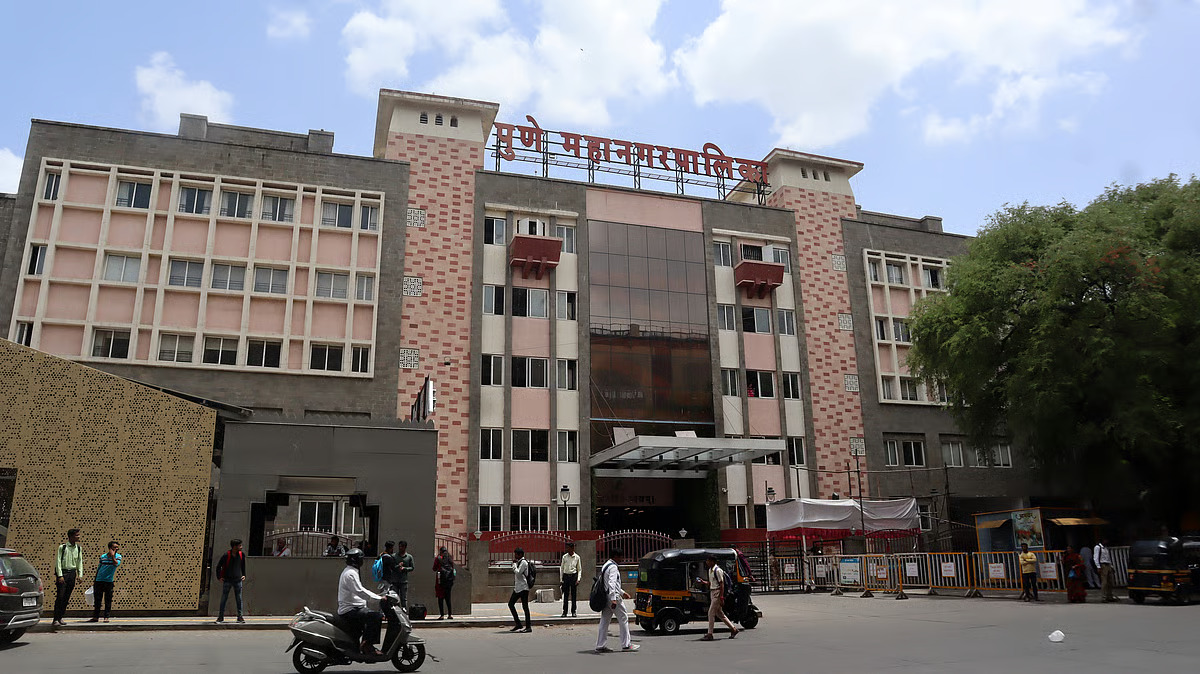
Pune, like many rapidly urbanizing Indian cities, is grappling with a “perfect storm” of weak municipal governance, poorly implemented master plans, and an uncontrolled real estate boom. This systemic neglect is eroding civic infrastructure, leading to chronic shortages of essential resources like water, green spaces, and affordable housing. A critical analysis reveals how these failures are transforming once-serene localities into chaotic urban landscapes, mirroring challenges seen in Mumbai, Bengaluru, Chennai, and Delhi.
Pune’s 1987 Development Plan (DP) earmarked 609 land reservations for civic amenities. However, over 25 years, the Pune Municipal Corporation (PMC) developed only 134 (barely 22%), while 22 sites were de-reserved. New suburbs added since 2017 still lack statutory plans, leaving 45 fringe villages devoid of basic infrastructure. The much-touted Smart City status has fallen short, becoming a patchwork of unfinished projects, with core needs like mass transit and river cleanup stalled.
The Mahalunge-Maan Town Planning Scheme, envisioned as a flagship ‘hi-tech city’ in 2017, exemplifies this failure. Seven years on, it remains incomplete due to flood-line errors, litigation, and lapsed contractors, leaving half-built towers amidst unapproved infrastructure. This mirrors a broader trend where luxury developments prioritize profit over public good, often at the expense of land reserved for low-income housing, which remains unbuilt. In Mumbai, 42% of the population lives on just 8% of the city’s land.
The absence of elected corporators in Pune for three years has exacerbated bureaucratic bottlenecks and project delays. This governance vacuum, also seen in Bengaluru and Chennai, allows for opportunistic land-use tweaks for private gain. Nationally, 39% of state capitals lack active master plans, and existing ones are frequently modified to monetize land. This systemic issue results in cities struggling with poor roads, inadequate waste management, and traffic congestion.
The continued neglect creates significant socio-economic and environmental strain, threatening the future of urban centers. While the scale of the challenge is immense, a decisive shift towards transparent, people-centric, and ecologically grounded urban planning is crucial. The choice is stark: either Indian cities suffocate under mounting infrastructure deficits and chaos or transform into resilient, inclusive, and liveable urban spaces.
Also Read: Mumbai Metro Line 1 Connects Versova To Ghatkopar In 21 Minutes
Punes Urban Decay Municipal Neglect and Flawed Planning Undermine Liveability
