Punes Traffic Troubles Why the City is Struggling to Keep Moving
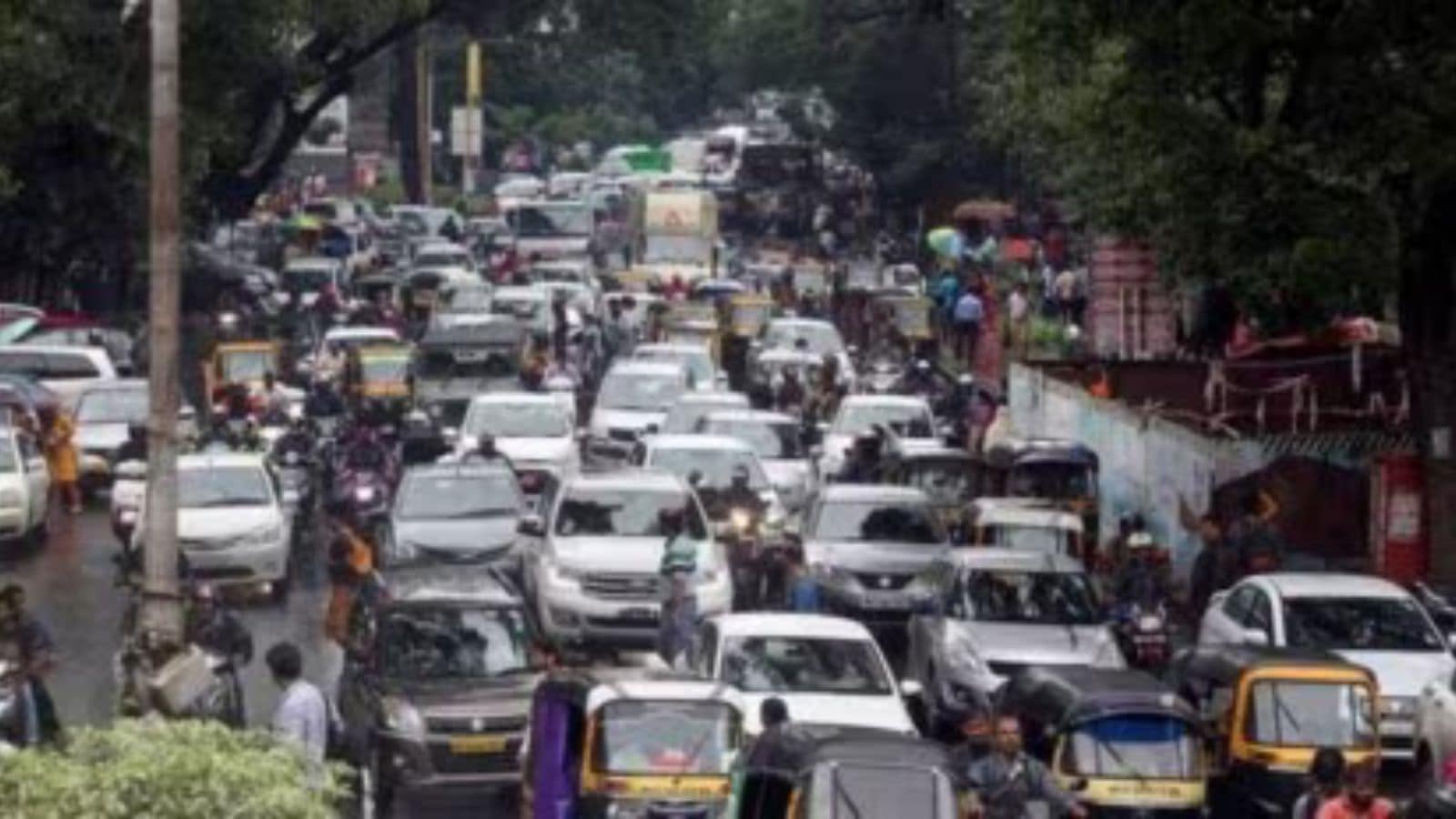
Pune, once regarded as a city of gardens and cycles, is now battling an identity crisis—one defined by endless traffic snarls and chaotic roads. Over the past decade, the city has grown rapidly—new townships have mushroomed, IT corridors have expanded, and vehicle ownership has boomed. But while Pune’s skyline has climbed, its road network has remained virtually static, leading to a relentless grind of congestion, frustration, and logistical collapse.
At the core of Pune’s worsening traffic crisis lies a basic mismatch: more vehicles, less space. The number of registered vehicles in Pune has exploded, with many households now owning multiple two-wheelers and at least one car. Yet, most city roads—designed decades ago for a much smaller population—have not been widened or upgraded in proportion. The average road width in key areas remains fixed, and with this mismatch comes daily gridlock. Urban expansion has only worsened matters. New residential zones on the outskirts, such as Wagholi, Hinjewadi, and Katraj, continue to attract thousands of new residents, many of whom depend on private vehicles due to inadequate public transport. This constant inflow into the city centre and industrial zones every morning—and back out every evening—puts immense pressure on arterial routes and connectors, especially during peak hours.
Ongoing infrastructure projects, while necessary in the long run, are contributing to the chaos in the short term. Flyover construction, metro rail work, and repeated road repairs are eating into the already limited carriageway, reducing available lanes and choking key junctions. In some cases, two or more projects overlap in the same vicinity, forcing abrupt diversions and further increasing congestion. These half-built corridors often remain bottlenecks for months, if not years, due to bureaucratic delays and poor coordination between agencies. Public transportation in Pune—once seen as a potential solution—remains underutilized and poorly integrated. PMPML buses often run late, are overcrowded or infrequent, and lack last-mile connectivity. The metro project, though promising, is far from complete and hasn’t yet delivered its full potential to ease pressure on roads. As a result, most commuters—especially those in the IT sector or working in industrial belts—prefer personal vehicles over unpredictable public transit, leading to a vicious cycle of dependence on private transport.
But infrastructure alone isn’t to blame. Public behaviour is a key part of the traffic mess. Illegal parking on both sides of narrow roads significantly reduces space for moving traffic. Lane cutting, jumping signals, blocking chowks, and honking wars are everyday phenomena. Add to this the chaos caused by unauthorized roadside hawkers, undisciplined rickshaw queues, and jaywalking pedestrians, and you have a recipe for daily disorder. A less visible yet critical aspect is the mismanagement of traffic regulation and policing. The city has seen inconsistent deployment of traffic personnel at key intersections. Many junctions remain unmonitored during peak hours, while others see over-deployment. Traffic signals, too, are rarely synced to real-time traffic flow, leading to ill-timed lights that cause avoidable jams. Sudden breakdowns, minor accidents, religious processions, or VIP movements can paralyze traffic for hours, owing to a lack of contingency planning.
The situation is further aggravated by a lack of data-driven traffic management. Pune still relies heavily on manual oversight rather than automated systems such as adaptive traffic signals, AI-powered surveillance, or real-time congestion mapping. Cities like Bengaluru and Mumbai have already started adopting smart mobility solutions; Pune, despite its “Smart City” tag, is lagging behind. What’s even more alarming is that there’s no singular authority responsible for integrated traffic management. While Pune Municipal Corporation (PMC) looks after roads and planning, the traffic police handle enforcement, and other agencies like MahaMetro or PWD handle infrastructure. This fragmented approach leads to blame-shifting, miscommunication, and bureaucratic paralysis—making timely resolutions nearly impossible.
The daily commuter in Pune, meanwhile, is caught in the middle—losing hours to traffic jams, breathing polluted air, and experiencing mounting stress. Many school students, office workers, delivery personnel, and healthcare workers are now forced to plan their routines around traffic patterns rather than actual distance or time. In a city trying to market itself as a future-ready urban hub, this inefficiency is not just inconvenient—it’s unacceptable. There is, however, a way forward—though it requires political will, coordinated governance, and citizen cooperation. First, a genuine push toward strengthening public transport is crucial. Frequent, reliable, and safe buses combined with timely metro expansion could lure commuters away from private vehicles. Second, better enforcement is needed. Technology-driven surveillance for violations, stricter fines, and improved signal coordination must become standard. Third, the PMC must invest in multi-level parking solutions and reallocate road space more efficiently—perhaps even pedestrianizing congested zones or introducing congestion pricing in specific pockets.
Most importantly, Puneites must collectively rethink their relationship with the road. Civic discipline, patience, and long-term vision are as essential as government policies. Without public cooperation, even the best infrastructure will crumble under misuse.
Until then, Pune will continue to inch forward—literally—one traffic jam at a time.