


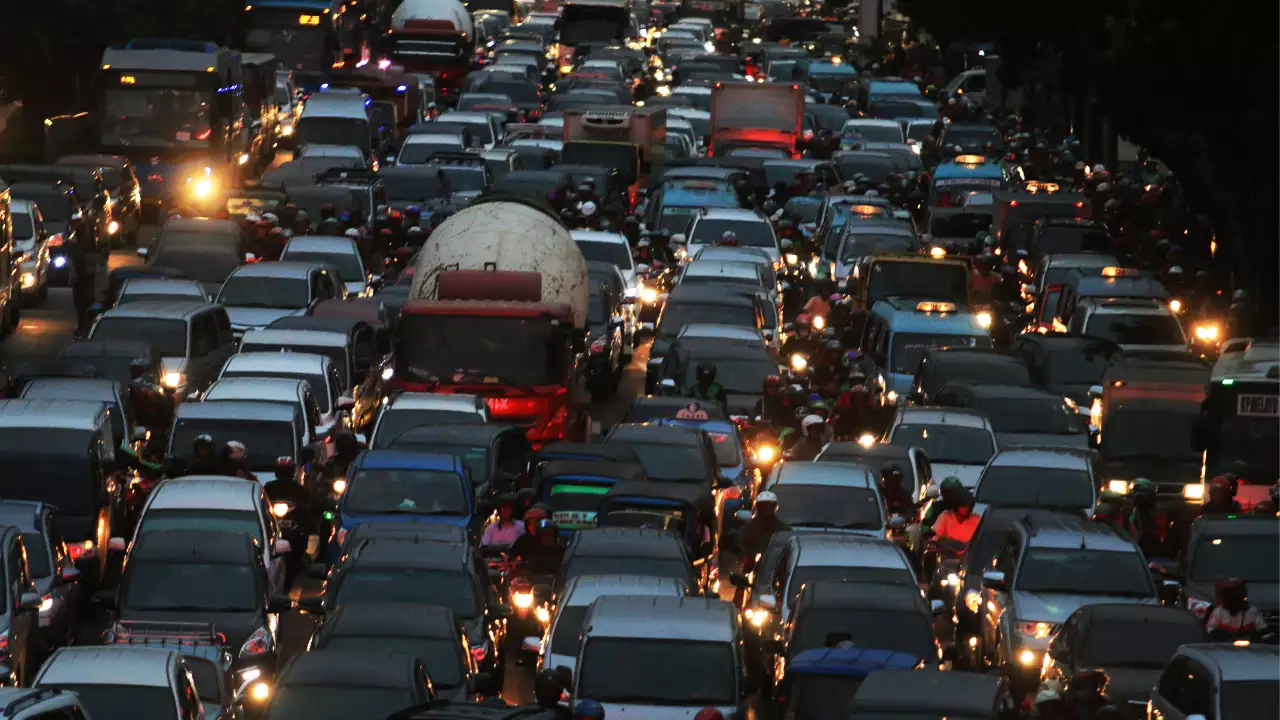
Pune’s traffic crisis worsens amid unchecked urban boom
Pune undergoes an unprecedented construction boom, the city’s traffic network is crumbling under relentless pressure. The explosive growth in residential and commercial developments, particularly in rapidly urbanising pockets like Baner, Pashan, and Hinjewadi, has led to chronic congestion. Traffic police officials are sounding alarms over the deteriorating road infrastructure, warning that the unchecked expansion is choking Pune’s mobility and putting urban sustainability at risk. With vehicle numbers surging and public transport struggling to keep pace, the consequences of this unplanned development are being felt daily by commuters and residents alike.
One of the most pressing concerns raised by traffic authorities is the surge in vehicular density in newly developed areas. Many roads, already stretched to their limits, are buckling under the pressure of additional traffic. The Baner-Pashan link road, which serves as a vital corridor between two rapidly growing suburbs, is now gridlocked during peak hours, forcing daily commuters to endure long delays. A senior traffic officer, speaking on the condition of anonymity, lamented that road infrastructure is not being upgraded in tandem with the scale of construction. New high-rises and commercial complexes continue to emerge, yet arterial roads remain the same, leading to bottlenecks that worsen congestion. The absence of planned road-widening measures and new access points is exacerbating an already fragile traffic ecosystem, leaving existing roads to bear an unsustainable load.
Beyond traffic gridlock, the issue of parking and encroachments is further paralysing the city’s roads. Many developers are failing to allocate adequate parking spaces within their projects, forcing residents and visitors to park illegally along roadsides. This significantly reduces the available carriageway, compounding congestion issues. Additionally, fresh construction often invites illegal roadside establishments such as unauthorised food stalls and temporary kiosks, encroaching upon footpaths and further squeezing traffic flow. Traffic police officials warn that enforcement efforts are stretched thin, and managing these escalating challenges with limited manpower is becoming increasingly difficult. The lack of effective urban planning is creating choke points that not only inconvenience daily commuters but also impede emergency response vehicles, posing serious risks during medical emergencies and fire-related incidents.
Recognising the gravity of the crisis, senior officials are advocating for an urgent overhaul of Pune’s public transport infrastructure. Manoj Patil, Additional Commissioner of Police, has emphasised that the city’s economic expansion must be met with a corresponding push for sustainable transit solutions. Without a robust public transport network, private vehicle dependence will continue to spiral, worsening congestion and exacerbating pollution levels. Patil has suggested a combination of measures, including strengthening Pune’s bus services, expanding metro connectivity, and introducing effective last-mile connectivity solutions. At the same time, policies discouraging excessive private vehicle usage—such as higher parking fees and congestion pricing—are being explored as potential deterrents. These strategies, if implemented effectively, could significantly shift commuter behaviour, easing the strain on Pune’s overburdened roads and making urban travel more efficient.
As Pune grapples with the twin challenges of rapid urbanisation and mounting traffic woes, experts are calling for the adoption of transit-oriented development (TOD) principles. By integrating residential and commercial developments around public transport hubs, planners can create pedestrian-friendly, mixed-use neighbourhoods that reduce reliance on private vehicles. Without such a paradigm shift, Pune’s growth trajectory threatens to be derailed by its own infrastructural shortcomings. While authorities deliberate on long-term solutions, daily commuters continue to endure gridlocks that show no signs of abating. Whether Pune can emerge as a model of sustainable urban planning or succumb to unchecked sprawl remains to be seen, but the urgency for corrective action has never been greater.
