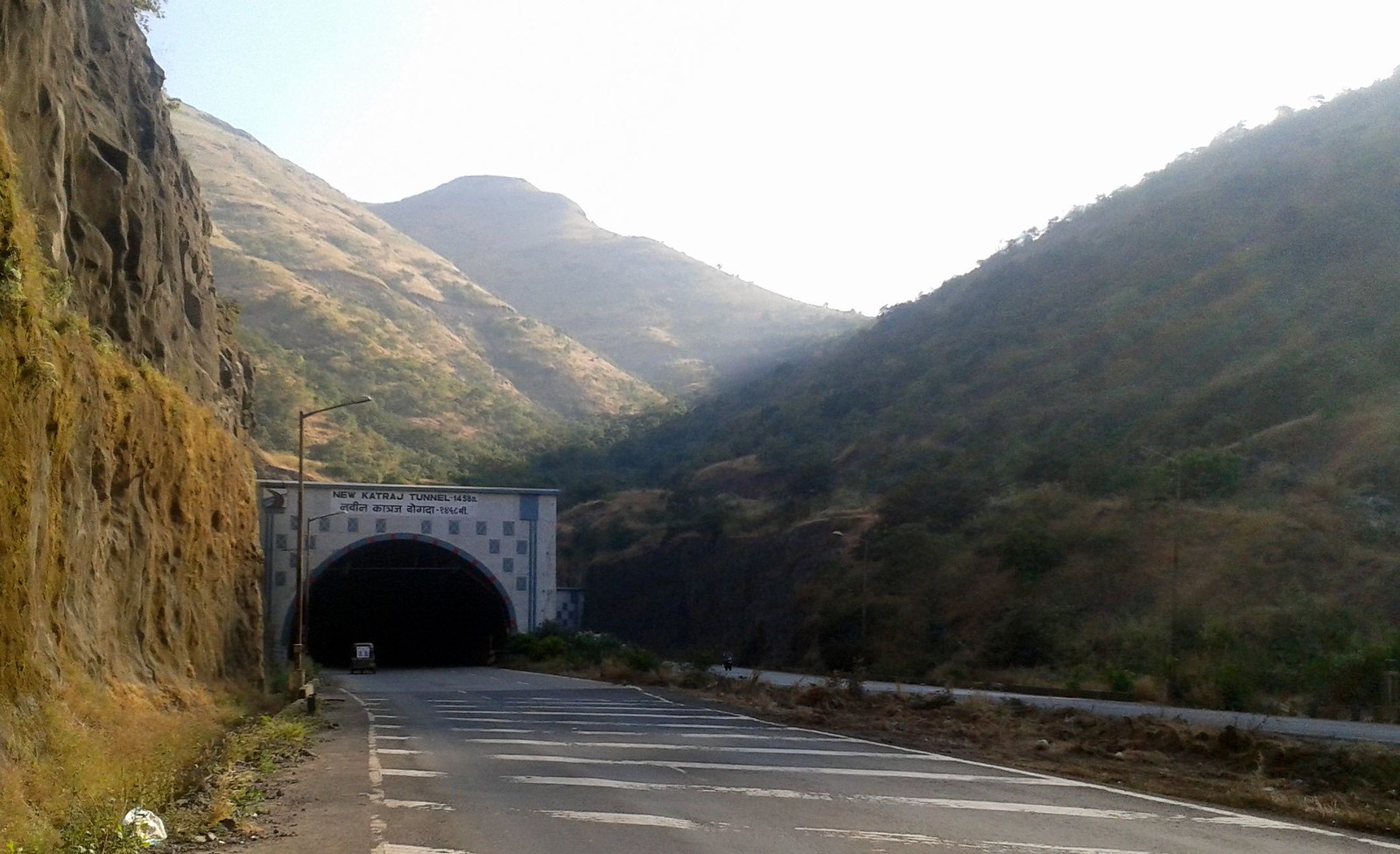
Punes New Katraj Tunnel Becomes Hazardous as Water Seepage Sparks Safety Fears
The recently inaugurated Katraj Tunnel, a crucial entry point for motorists accessing Pune from the Kolhapur direction, is increasingly becoming a perilous stretch, raising significant safety concerns among commuters. Despite its scenic mountain and greenery vistas, water flowing onto the road within the 1,458-metre long tunnel, coupled with a notable absence of essential safety measures, is contributing to an alarming rise in accident risks. This emergent danger highlights an urgent need for intervention from the National Highways Authority of India (NHAI) to ensure the safety and sustainability of urban transport infrastructure.
The new Katraj Tunnel is an integral part of the Mumbai-Bengaluru National Highway (NH48), facilitating high volumes of traffic daily. However, the current ingress of mountain water onto the carriageway creates treacherous conditions, particularly for vehicles travelling at speed. The lack of crucial safety infrastructure, including speed bumps, adequate signboards, and sophisticated warning systems, exacerbates the danger, increasing the likelihood of drivers losing control on what is intended to be a high-speed corridor. This oversight poses a significant threat to all road users, impacting the vision of safe and efficient urban mobility.
Furthermore, the adjacent Navle Bridge area has historically been identified as an accident-prone zone, with a significant slope contributing to frequent incidents where drivers struggle to maintain control. While the need for a new flyover at this location has been acknowledged, the immediate hazards within the Katraj Tunnel demand swift, proactive measures. The interconnectedness of these high-risk areas underscores a broader challenge in ensuring seamless and secure travel routes, particularly in rapidly expanding cities like Pune that serve as critical economic and logistical hubs.
The responsibility for addressing these critical safety deficiencies squarely rests with the National Highways Authority of India. Implementing immediate solutions, such as improving drainage systems to prevent water accumulation, installing clear and visible warning signage, and deploying intelligent traffic management systems, is imperative. Such measures are not merely about preventing individual accidents but are vital for fostering a zero net carbon and eco-friendly transportation ecosystem, where infrastructure is designed to minimise risks and ensure the well-being of all, regardless of gender or mode of transport.
The current situation in and around the Katraj Tunnel serves as a stark reminder that modern infrastructure projects must integrate comprehensive safety protocols from design to operation. A beautiful entrance cannot compromise the fundamental imperative of safety. Prioritising commuter safety through robust engineering solutions and responsive maintenance is essential for building sustainable and equitable urban environments where citizens can travel securely and efficiently, contributing positively to the city’s growth and overall liveability.