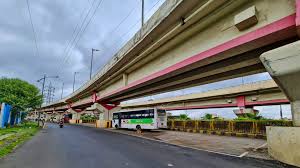
Punes Chinchwad Overbridge Project to Enhance Safety and Connectivity
Pimpri-Chinchwad is on the verge of a major infrastructure upgrade as the Municipal Corporation has greenlit the demolition of a half-century-old railway overbridge at Chinchwad railway station and its replacement with a modern, high-capacity structure. This decision, a direct response to repeated structural audit warnings and persistent citizen demands, marks a pivotal moment in the city’s commitment to building sustainable, safe, and equitable urban environments. The project is not just about replacing a dilapidated structure; it’s a strategic move to restore seamless connectivity, reduce traffic congestion, and promote a smoother, more efficient flow of transport that aligns with the city’s long-term environmental goals. The new bridge is a promise of safer travel for thousands of daily commuters and a tangible step towards a zero-net-carbon city.
The existing railway overbridge, constructed in 1976, has exceeded its service life and has been deemed structurally compromised by multiple expert assessments. Its deteriorating condition necessitated a restriction on heavy vehicles, forcing buses and lorries onto alternative, often congested routes. This diversion has led to longer travel times, increased fuel consumption, and a greater carbon footprint, directly impacting the daily lives and livelihoods of residents. The old bridge’s failure to support modern traffic loads underscored a critical gap in the city’s infrastructure, highlighting the need for resilient and future-proof urban planning.
Following a series of technical reviews and a thorough structural audit by engineering consultants, the Pimpri Chinchwad College of Engineering also echoed the recommendation for demolition. This comprehensive due diligence, combined with consistent public feedback, built an irrefutable case for the new construction. The swift approvals from the Railways were a critical step, allowing the civic body to move forward with a project that has been a long-standing demand of the community. The collaborative approach between the municipal corporation and the railway authorities is a positive example of how inter-agency cooperation can fast-track projects that serve the larger public interest.
Officials involved in the project have underscored that the primary objective is to prioritise citizen safety. The old bridge’s structural weakness posed a significant risk, and its replacement will eliminate this danger entirely. Furthermore, the new structure will restore the vital link for all vehicle types, from private cars to public transport buses, ensuring a more integrated and efficient transport network. By facilitating the free flow of traffic, the new bridge will not only reduce travel times but also contribute to a significant reduction in vehicular emissions, promoting cleaner air and a healthier urban environment. This project is a crucial component of Pimpri-Chinchwad’s broader urban development strategy, which includes initiatives like the Bus Rapid Transit System (BRTS) and metro rail to enhance sustainable public transport options.
In essence, the decision to demolish and reconstruct the Chinchwad overbridge is a forward-looking action. It demonstrates a commitment to moving beyond temporary fixes and investing in robust, long-term solutions. By building an eco-friendly and equitable transport infrastructure, the city is not only solving a present problem but is also laying the foundation for a more resilient and liveable future for its residents.