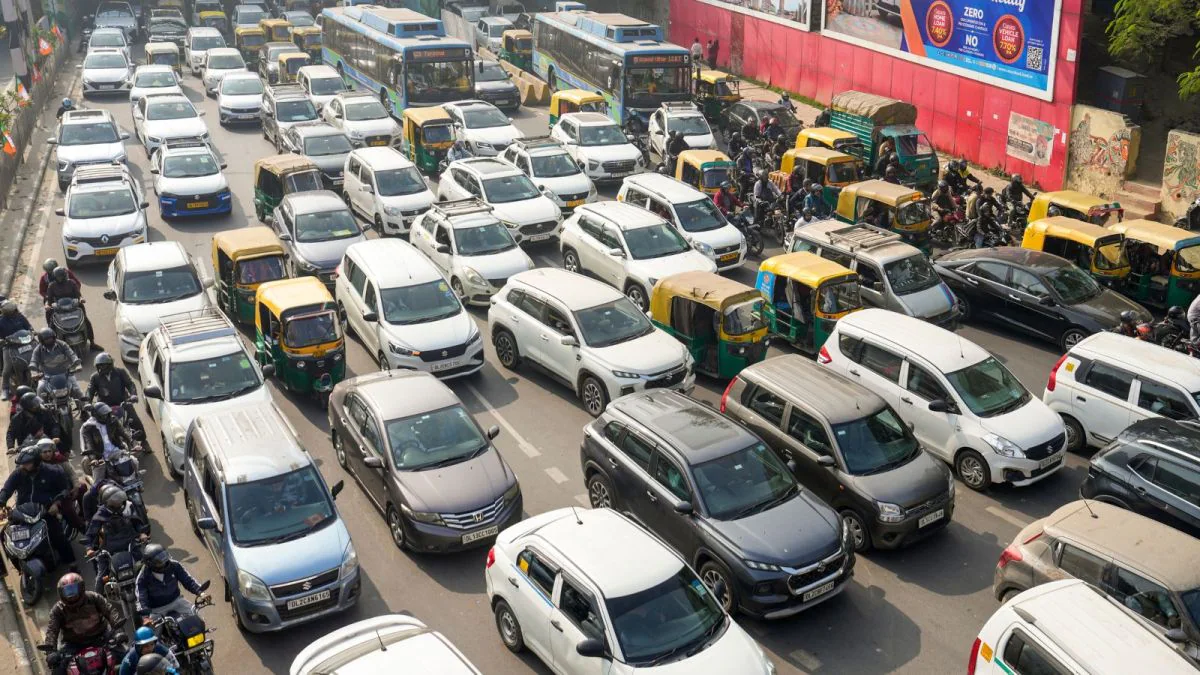
Pune is examining whether to prohibit vehicles older than 15 years from operating within city limits, a proposal that could affect more than seven lakh registered vehicles and reshape daily mobility patterns in one of India’s fastest-growing urban centres. Transport authorities have indicated that the proposal, still awaiting state-level clearance, is being considered as part of a broader response to deteriorating air quality and rising congestion. If approved, the 15 year vehicle ban would represent one of the most extensive age-based mobility restrictions outside the national capital region.
Data from the regional transport office suggests that the majority of vehicles likely to be impacted are two-wheelers used for short commutes. These vehicles form the backbone of affordable mobility for students, gig workers, service employees and small traders. Urban economists warn that a sudden 15 year vehicle ban could create replacement pressures in price-sensitive households, especially in peripheral neighbourhoods where public transport access remains uneven.
Officials argue that existing measures such as green taxes and higher renewal fees have not significantly reduced the number of ageing vehicles on Pune’s roads. An age-based prohibition, they believe, could accelerate fleet modernisation and reduce tailpipe emissions. Some internal assessments estimate that phasing out older vehicles may bring measurable improvements in particulate matter levels, though experts caution that transport is only one component of Pune’s pollution profile.
Construction dust, industrial emissions and commercial freight movement also contribute substantially to air quality stress. Urban planners say a narrow focus on private vehicles risks overlooking systemic issues such as land-use planning, last-mile connectivity and mixed-traffic corridors that intensify congestion. The economic implications are equally significant. Pune has a vibrant secondary two-wheeler market that supports repair workshops, resale platforms and informal mechanics. A sweeping 15 year vehicle ban could compress this ecosystem while boosting demand for entry-level new vehicles and electric alternatives.
Manufacturers and financiers may see an opportunity, but affordability gaps remain a concern. Mobility researchers advocate for a calibrated approach that combines stricter emissions testing, transparent fitness certification and incentives for cleaner technologies. They note that well-maintained older vehicles can sometimes meet prescribed emission norms, suggesting that performance-based frameworks may be more equitable than blanket age thresholds.
For Pune, the debate reflects a broader tension faced by expanding Indian cities: how to balance environmental responsibility with inclusive growth. As population density increases and vehicle ownership rises, transport policy decisions will influence not only air quality but also economic access and social mobility. The state government’s eventual stance will determine whether Pune adopts an age-triggered prohibition or a more nuanced compliance regime. Either way, the outcome is likely to shape the trajectory of urban mobility reform across Maharashtra.
Pune Weighs 15 Year Vehicle Ban