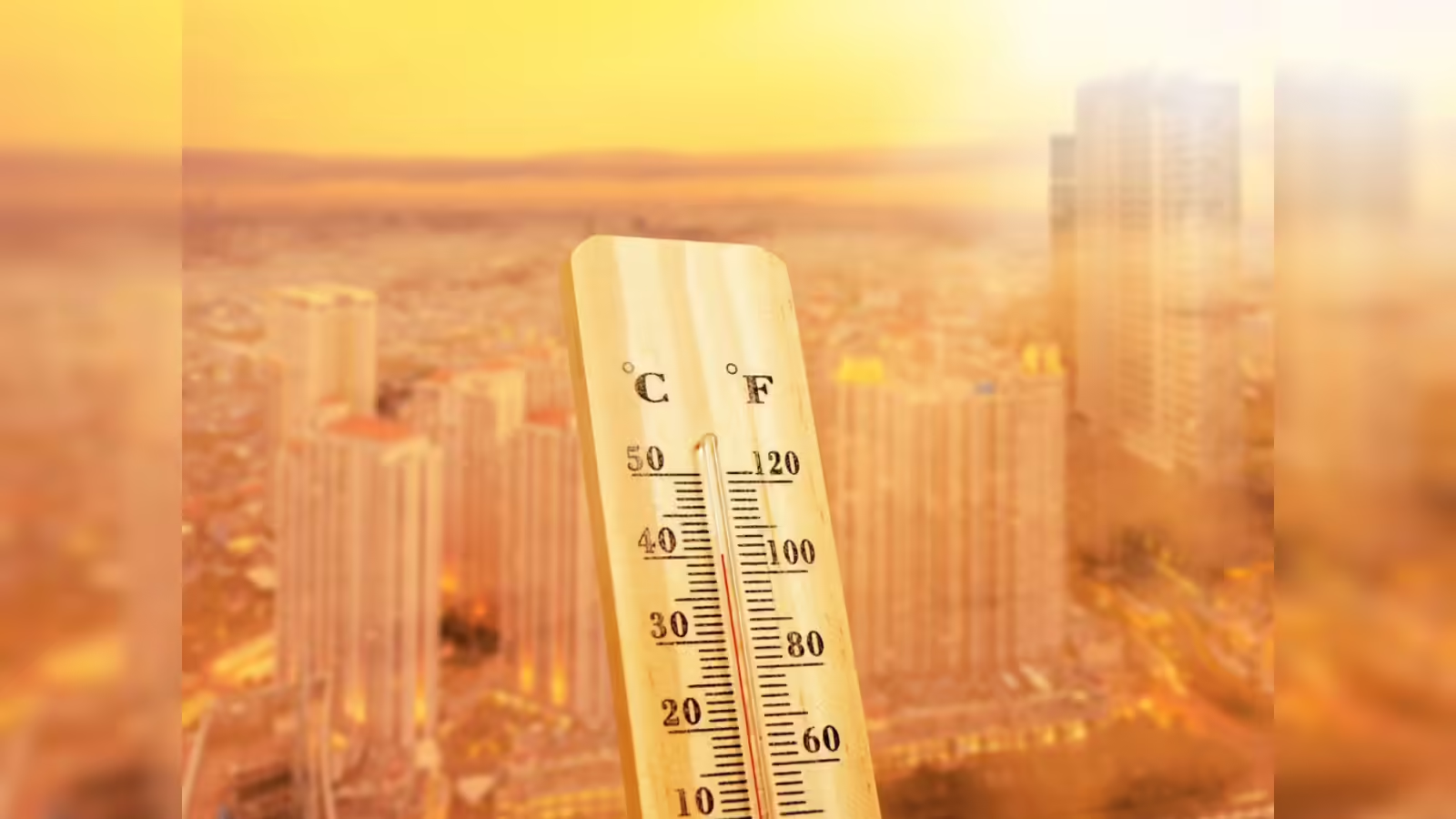
Pune is likely to experience a shift in weather conditions with increased cloud cover and a marginal dip in daytime temperatures, offering limited relief after days of intensifying heat across Maharashtra. The change, driven by moisture-laden winds from the Arabian Sea, reflects a broader regional pattern of rising humidity and scattered pre-season rainfall activity.
Meteorological assessments suggest that while temperatures had recently moderated, the upward trend has resumed in parts of the state, with Pune witnessing warmer afternoons and higher discomfort levels. The expected clouding, however, may temporarily reduce direct solar exposure, even as humidity continues to build, creating a more oppressive heat index for residents. The evolving Pune weather update points to the growing variability typical of transitional seasons. Light, isolated showers have been forecast in select pockets, particularly across southern and central Maharashtra, including Marathwada and Vidarbha. These developments are often linked to shifting wind patterns that transport moisture inland, altering localised weather systems.
For urban planners and public health experts, such fluctuations are increasingly significant. Heatwaves, followed by abrupt humidity spikes and sporadic rainfall, can strain city infrastructure and impact vulnerable populations. In dense urban environments, where heat retention is amplified by concrete surfaces and limited green cover, even small changes in atmospheric conditions can have outsized effects on comfort and health.
The current Pune weather update also highlights the interplay between coastal influences and inland urban climates. Moist air inflows from the sea tend to elevate humidity levels, which not only affect human comfort but can also influence energy demand. Increased reliance on cooling systems during humid spells can put additional pressure on power networks, particularly in rapidly expanding cities.
From an infrastructure perspective, intermittent pre-monsoon showers—though light—can expose weaknesses in drainage systems if urban planning has not accounted for seasonal variability. Experts note that cities like Pune must adapt to more erratic weather cycles by investing in climate-resilient infrastructure, including improved stormwater management and urban greening initiatives that help mitigate heat stress.
The broader pattern across Maharashtra suggests that while extreme heat remains a concern, the onset of cloud formation and scattered rainfall may offer short-term moderation. However, these shifts do not necessarily signal a sustained cooling trend. Instead, they reflect the complex and often unpredictable nature of regional climate systems.
Looking ahead, authorities may need to strengthen heat action plans while also preparing for sudden weather changes that can disrupt daily life. For residents, the immediate impact will be a mix of reduced glare, higher humidity, and the possibility of brief rainfall spells. As cities navigate these transitions, the focus is increasingly on building resilience to both heat extremes and climatic variability—ensuring that urban systems remain adaptable in the face of changing weather patterns.
Pune Weather Update Signals Heat And Cloud Shift