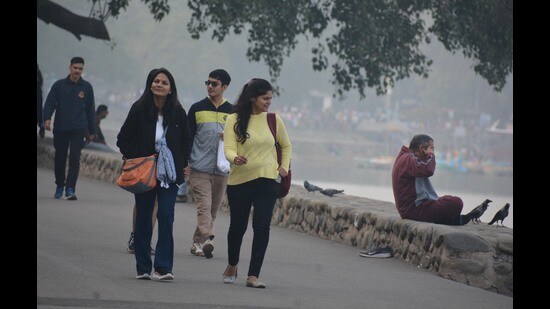
Late-January heat has arrived earlier and stronger than expected in Pune, unsettling residents and prompting fresh questions about how India’s fast-growing cities are adapting to changing climate patterns. Daytime temperatures crossing the 30°C mark this week, typically associated with late February or March, have coincided with increasingly cloudy evenings, creating an unusual winter profile for the city.
According to data from official weather monitoring stations, several parts of Pune recorded maximum temperatures well above seasonal norms. Urban cores and airport-adjacent areas, already prone to higher heat retention due to dense construction and limited green cover, experienced sharper spikes. Meteorological averages indicate that January in Pune traditionally balances cool nights with moderate afternoons, making the current warm spell a notable deviation rather than a routine fluctuation. Weather officials attribute the conditions to a complex interaction of atmospheric systems. Moisture-laden winds interacting with a western disturbance over northern India are pushing cloud cover deeper into the Deccan region. While light rainfall has been flagged for parts of northern Maharashtra, Pune is expected to remain largely dry, with cloudiness moderating night-time cooling. This combination of warm days and overcast nights is increasingly common during transitional winter periods, experts note.
For residents, the immediate impact is felt in daily routines. Warmer afternoons are altering energy consumption patterns, with higher demand for cooling even in winter weeks traditionally associated with lower electricity use. Urban planners point out that such shifts, though short-term, stress city infrastructure when they occur outside anticipated seasonal cycles. Buildings designed for predictable winter conditions may now face rising indoor heat loads, particularly in high-density housing clusters. The broader implications extend beyond comfort. Persistent winter warming affects urban water demand, public health preparedness, and transport planning. Heat-sensitive populations, including older residents and outdoor workers, face greater exposure when temperature variability increases. City authorities are increasingly being urged to integrate climate-responsive design into neighbourhood planning, rather than treating heat management as a summer-only concern.
From a real estate and construction perspective, the changing Pune weather update underscores the growing relevance of passive cooling, reflective materials, and tree-based shading in residential and commercial projects. Developers tracking long-term climate data are reassessing building specifications to reduce energy intensity and improve thermal resilience across seasons. As Pune expands, these early signals of winter warming serve as reminders that climate resilience is no longer a distant planning objective but a present-day operational necessity. Monitoring short-term weather shifts, while embedding long-term adaptive strategies into urban growth, will be central to maintaining liveability in the years ahead.