Pune’s night-time temperatures have eased after an extended period of unseasonal warmth, bringing short-term relief to residents and signalling a stabilisation in the city’s February weather pattern. Minimum temperatures dipped close to 12 degrees Celsius over the weekend, marking a return to cooler nights following more than a week of elevated readings. For an expanding city grappling with climate variability and urban heat stress, even modest changes in night temperatures carry implications for public health, energy use, and urban planning.
Meteorological data shows that minimum temperatures across key parts of the city had remained above seasonal averages since the start of the month. These warmer nights were linked to high moisture levels and intermittent cloud cover, which tend to trap heat after sunset. Over the past two days, clearer skies and the absence of active weather systems over Maharashtra have allowed surface heat to dissipate more efficiently, resulting in lower night-time readings across several monitoring stations. Core urban areas recorded minimum temperatures just under 13 degrees Celsius, while greener and less densely built zones on the city’s periphery dipped closer to 11 degrees Celsius. In contrast, highly built-up or aviation-influenced zones continued to report relatively higher minimums, underlining how land use patterns, infrastructure density, and local activity shape microclimates within the same metropolitan area. This divergence reinforces the growing body of evidence around urban heat islands and the uneven distribution of climate comfort across cities.
Daytime conditions, however, remain stable. Maximum temperatures are hovering around seasonal norms, with a gradual upward trend observed over the past few days. Climate analysts note that this combination of cooler nights and steady daytime warmth is typical of late winter but increasingly sensitive to shifts in cloud cover and humidity. For households and commercial buildings, such conditions often translate into lower overnight cooling demand, offering a temporary reduction in electricity consumption before summer heat intensifies. Urban planners and sustainability experts point out that monitoring changes in Pune night temperatures is becoming increasingly important as the city expands vertically and horizontally. Night-time heat retention has direct consequences for sleep quality, worker productivity, and health outcomes, particularly for low-income communities living in dense housing with limited ventilation. Cooler nights, even briefly, provide a window of recovery from accumulated daytime heat.
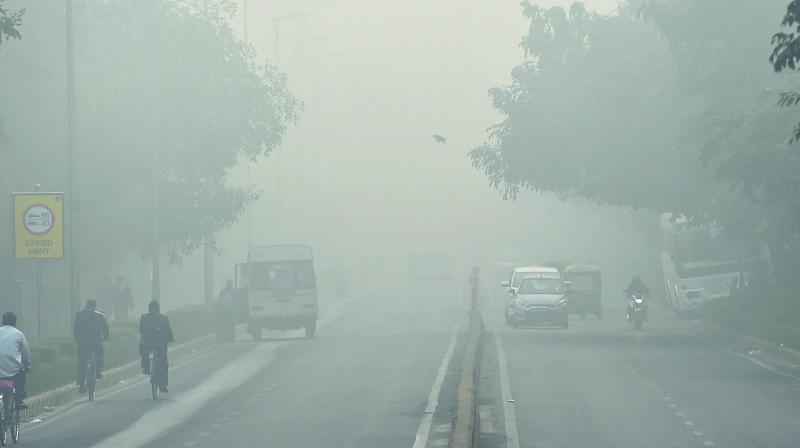
Looking ahead, weather projections suggest minimal fluctuation in both minimum and maximum temperatures over the coming days, with clear skies likely to persist. Early morning fog may develop in pockets of the city, especially near open land and water bodies, a reminder of how land management and ecological buffers influence local climate behaviour. As Pune continues to grow, such short-term weather shifts underline the need for long-term investments in climate-responsive urban design ranging from green cover and reflective materials to building layouts that promote natural cooling. While the current dip in temperatures offers momentary comfort, it also highlights the broader challenge of building a climate-resilient city capable of moderating extremes rather than reacting to them.