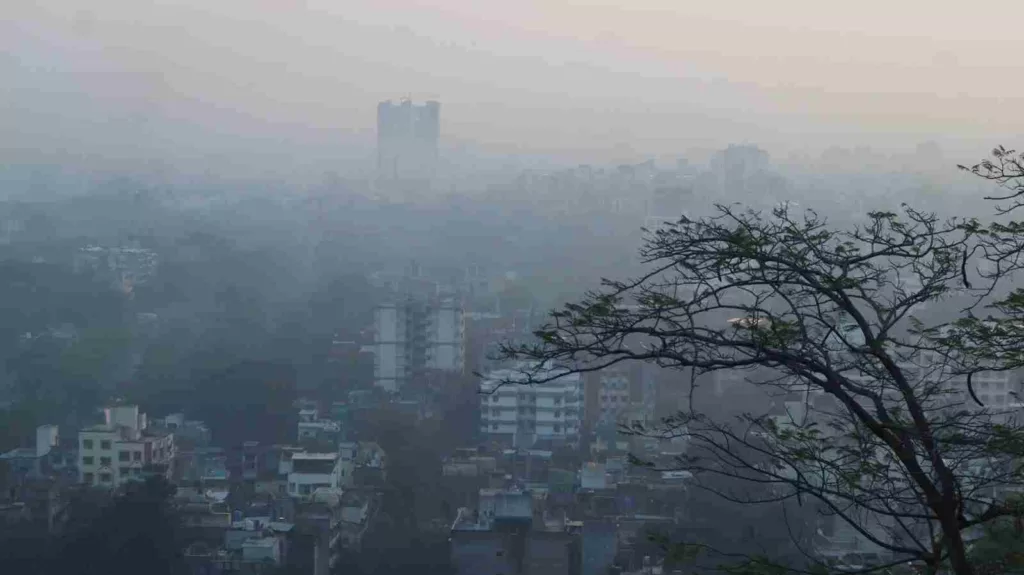
Pune Weather Forecast Shows Mild Winter Week Ahead
After a period of unseasonably cool weather in early January, Pune’s winter pattern is set to remain comparatively mild over the next seven days, with above-normal night-time temperatures and limited chill expected before colder conditions re-emerge later in the month, according to the India Meteorological Department (IMD). The shift in atmospheric behaviour reflects broader seasonal variability and poses practical considerations for urban comfort, energy use and public health as the city approaches the peak of winter.
IMD forecasts show that easterly wind flows and residual moisture will persist through at least January 22, reducing nocturnal radiational cooling and keeping overnight lows higher than typical for this time of year. Elevated cloud cover acts as a thermal cap, trapping heat near the surface and delaying the onset of the deeper cold-night spells that characterise a conventional Pune winter. This pattern has already been reflected in recent observations, with suburbs such as Magarpatta and Lohegaon reporting minimum temperatures in the high teens Celsius — noticeably warmer than Pune’s climatological average, which typically dips closer to 11–12°C in mid-January. Daytime conditions are also mild, with abundant sunshine and daytime highs often crossing into the upper twenties or low thirties, a divergence from the cooler afternoons expected during stronger winter spells.
Meteorologists note that such mild phases often occur when regional wind patterns weaken, suppressing the cold north-westerly air mass that ordinarily cools the city after sunset. Instead, moisture-laden air from easterly systems sustains night-time warmth. Independent weather forecasters highlight that this temporary respite from the chill could be followed by a gradual return to lower minimum temperatures during the latter half of January, as typical winter dynamics reassert themselves. For Pune’s urban dwellers, this week of warmer nights may reduce the demand for heating and heavy winter wear, particularly among vulnerable groups such as the elderly and outdoor workers. However, the absence of a strong cold surge also carries implications for seasonal air quality. Cooler, stable night-time conditions normally help disperse pollutants through thermal gradients; warmer nights can slow this process, potentially trapping particulates near the surface and affecting sensitive populations.
City administrators and public health professionals alike are paying attention to these shifts, as atypical temperature patterns influence energy grids, hospital loads and community wellbeing. Urban planners emphasise that understanding such fluctuations is important not just for short-term advisories but also for longer-term climate resilience strategies in rapidly urbanising regions like Pune.Looking ahead, the IMD’s extended range forecast suggests a return to more classic winter chills — with nocturnal cooling strengthening toward late January — underscoring the importance of seasonal preparedness even amid transient warm spells.