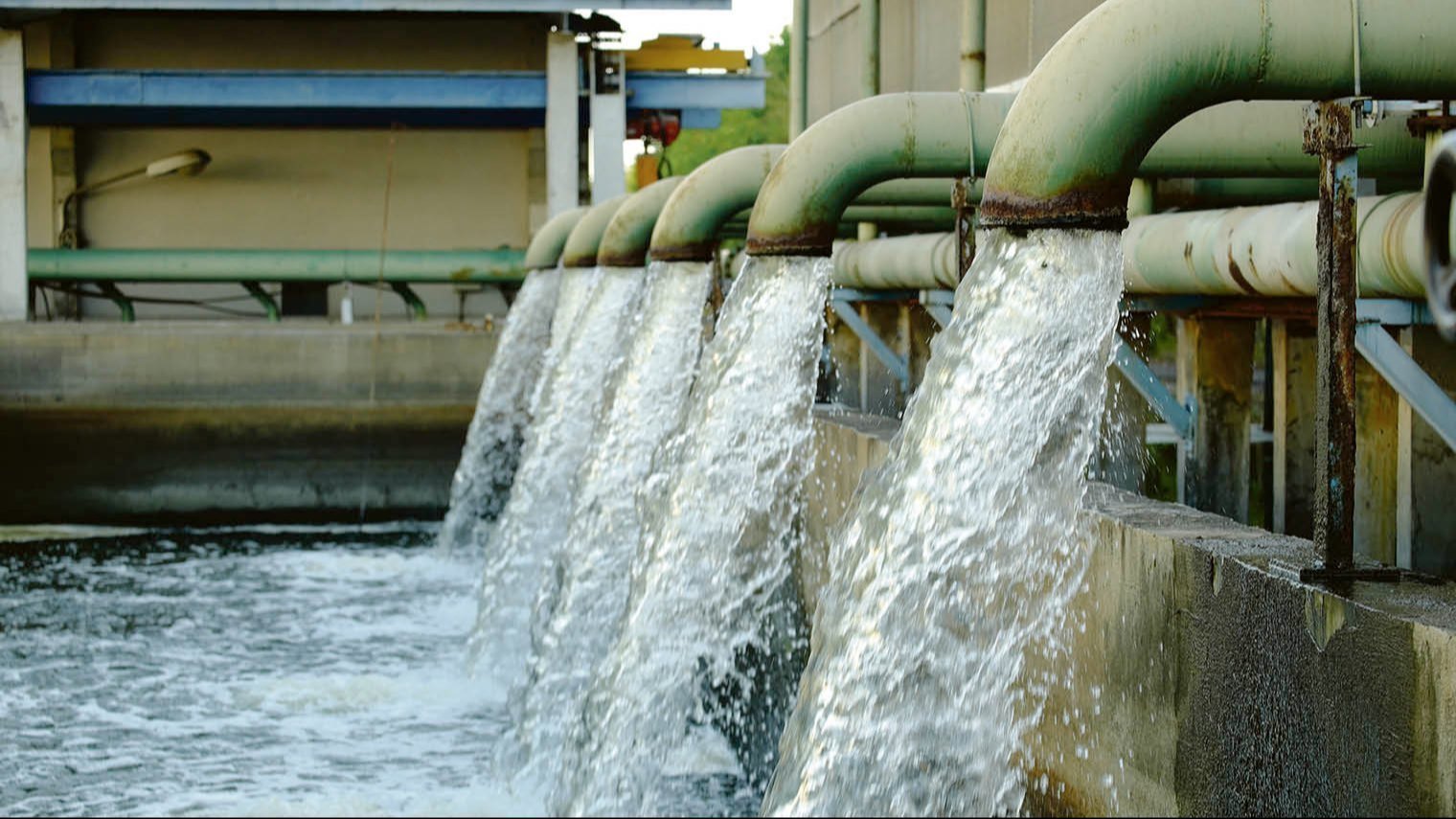
A planned Pune water supply shutdown across several central neighbourhoods on March 24 is drawing attention to the growing strain on the city’s ageing distribution network, even as authorities undertake critical repairs to prevent larger disruptions.
The Pune water supply shutdown will impact residential and commercial pockets around the university corridor, including parts of Aundh, Baner, Bopodi and Model Colony. The temporary halt in supply is linked to maintenance work on a major pipeline near one of the city’s key junctions, an area that supports both dense housing clusters and institutional zones.
Civic officials indicate that the repair is necessary to stabilise the network and avoid future leakages or breakdowns. However, for residents and businesses, the Pune water supply shutdown means a full day of disruption, with supply expected to normalise only the following day after system recharging and pressure balancing.
Urban infrastructure experts say such planned shutdowns reflect a deeper structural issue within rapidly expanding cities like Pune. Much of the existing water distribution system was designed for lower population densities and is now under increasing stress due to urban sprawl, rising demand, and shifting land use patterns. “The challenge is not just about repairing pipelines but modernising the entire water grid,” said an urban services consultant. “Cities need to transition towards more resilient systems that can handle both peak demand and emergency repairs without widespread disruption.”
The Pune water supply shutdown also highlights the uneven distribution of water infrastructure upgrades. While newer suburbs often benefit from relatively modern systems, older parts of the city continue to rely on legacy pipelines that are more prone to wear and leakage. This creates periodic service interruptions that affect households, small businesses, and essential services.
From a sustainability perspective, pipeline repairs are a necessary component of reducing non-revenue water — the loss of treated water due to leaks or inefficiencies. Addressing such losses is critical for water-scarce regions, particularly as climate variability and rising temperatures increase pressure on urban water sources.
At the neighbourhood level, residents are increasingly adopting coping mechanisms such as storage tanks and alternative water sourcing, reflecting a shift towards decentralised resilience. However, planners caution that these are interim solutions and cannot substitute for systemic improvements in municipal infrastructure. The Pune water supply shutdown also intersects with broader questions of equitable access. In many cities, service interruptions disproportionately affect lower-income households that lack storage capacity or alternative supply options, underscoring the need for inclusive planning.
As Pune continues to grow as a major urban and economic centre, ensuring reliable water supply will remain a central challenge. While scheduled maintenance is essential to prevent larger failures, experts argue that long-term investment in smart water management systems, real-time monitoring, and network upgrades will be key to building a more resilient and efficient urban water ecosystem.
Pune Water Supply Shutdown Hits Key City Areas