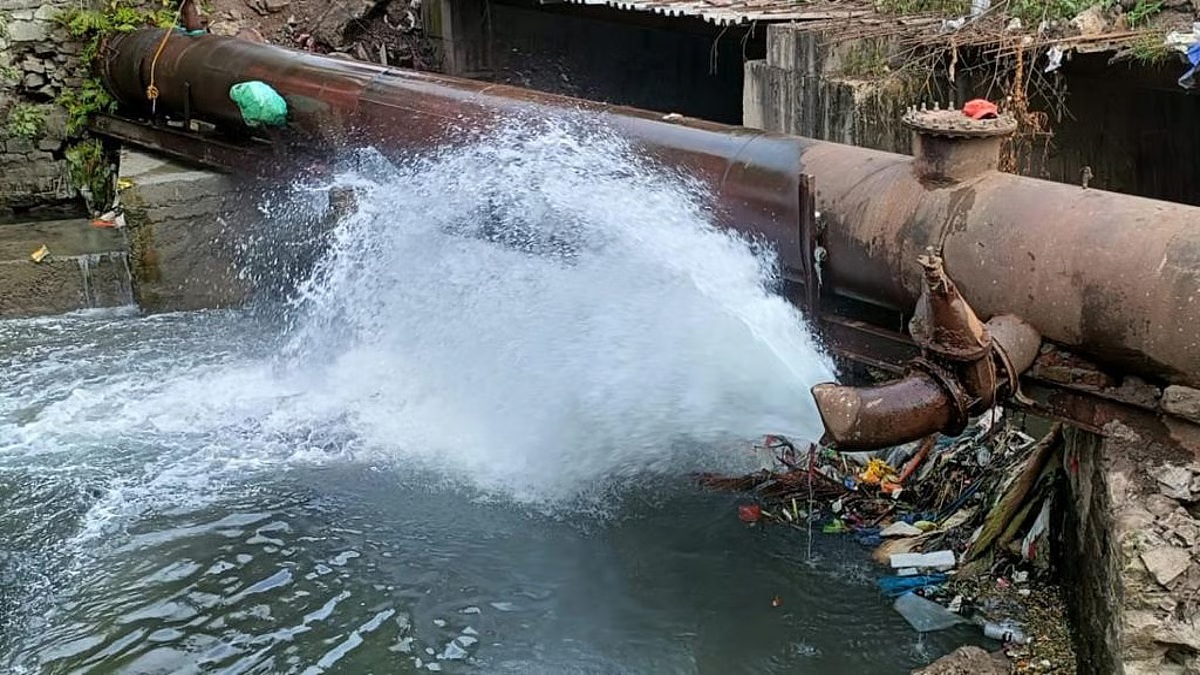
Concerns over Pune water contamination intensified this week after residents in Mohammadwadi and Undri reported finding larvae and visible impurities in their municipal drinking supply, prompting calls for urgent inspection of ageing pipelines and emergency water distribution. The episode has highlighted broader questions around urban service reliability, sanitation infrastructure, and public health safeguards in rapidly expanding residential corridors on the city’s southern edge.
Local civic representatives confirmed receiving multiple complaints from households across several neighbourhood lanes within Ward 41, where families alleged that untreated water was reaching taps through municipal lines. The matter has coincided with separate grievances of wastewater entering residential premises from nearby survey parcels, indicating possible cross-connections or leakage between sewage and potable water networks. Such incidents typically arise from deteriorated underground infrastructure, illegal borewell linkages, or inadequate pressure management in distribution systems.
Urban planners note that peripheral growth pockets like Undri and Mohammadwadi have witnessed accelerated real estate development over the past decade, often outpacing the capacity of civic utilities. While new housing clusters promise improved living standards, uneven investment in trunk pipelines, stormwater drains, and sewage treatment capacity can expose communities to intermittent contamination risks. Public health specialists warn that even short-term lapses in water quality monitoring may increase the likelihood of gastrointestinal infections, particularly among children, the elderly, and individuals with compromised immunity. Municipal officials have been urged to conduct immediate sampling, chlorination checks, and pressure testing across the affected grid, alongside temporary tanker supply of treated water until laboratory results are confirmed. Experts emphasise that transparent disclosure of testing data and repair timelines can help prevent panic while strengthening citizen trust. They also recommend deploying sensor-based leak detection and digital mapping of underground utilities to reduce recurrence.
The situation underscores the intersection between water governance and climate resilience in growing cities. Erratic rainfall patterns and rising demand often strain legacy systems, making preventive maintenance and decentralised treatment solutions critical for long-term sustainability. From an economic standpoint, recurring Pune water contamination episodes can influence property values, rental demand, and insurance risks in emerging micro-markets, reinforcing the need for accountable infrastructure planning. Looking ahead, the episode is likely to accelerate discussions on pipeline renewal, sewage segregation, and neighbourhood-level water audits. For Pune’s urban future, ensuring safe, equitable access to clean water remains central to building inclusive, low-carbon, and people-first communities where growth does not compromise basic civic dignity.