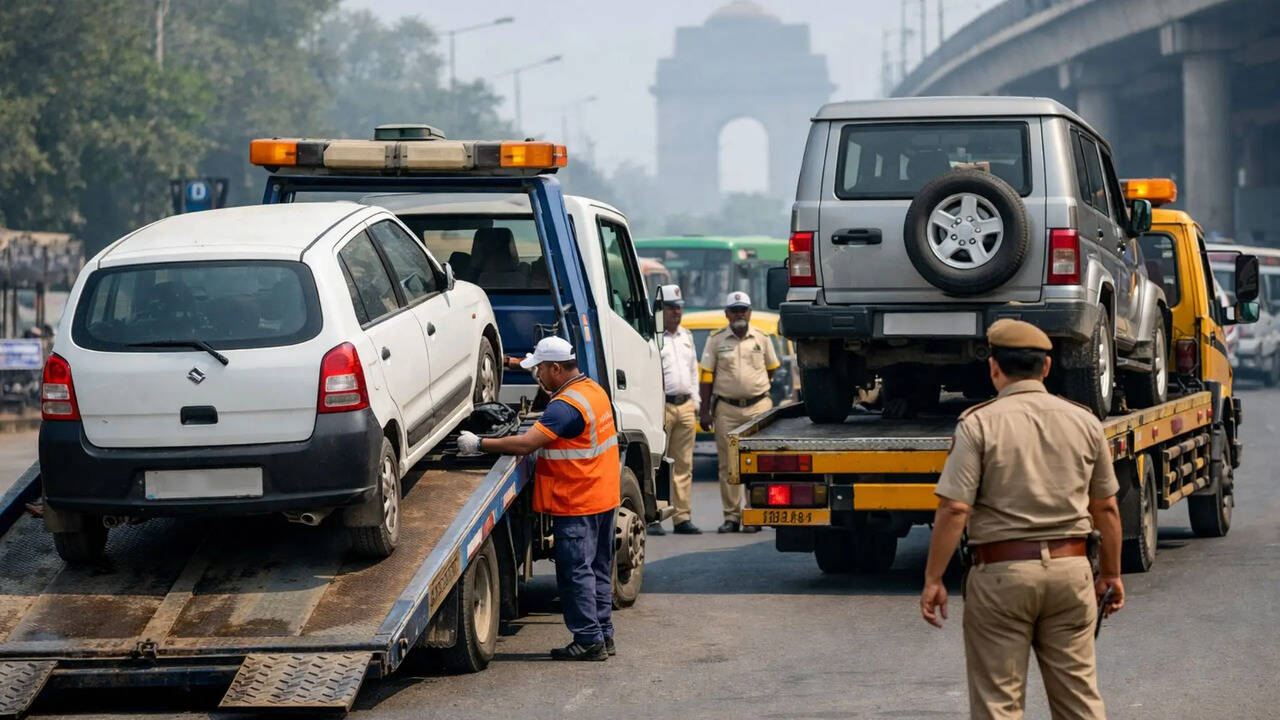
Pune district authorities are preparing a proposal that could restrict vehicles older than 15 years from operating within city limits, a move that may affect more than seven lakh registered vehicles and reshape daily mobility patterns across Maharashtra’s second-largest urban economy. The plan, now under consideration at the district level, is positioned as part of a broader response to deteriorating air quality and rising congestion.
Officials familiar with the proposal say the suggested vehicle age ban is intended to gradually phase out ageing private and commercial vehicles that typically emit higher levels of pollutants due to outdated engine technology and wear. Data from the regional transport office indicates that a substantial share of the impacted fleet comprises two-wheelers, followed by private cars and transport vehicles. Two-wheelers account for the majority of older registrations. For many lower- and middle-income households, especially those in peri-urban neighbourhoods and informal employment sectors, older motorcycles and scooters remain the most affordable and flexible transport option. Any implementation of a vehicle age ban would therefore carry economic and social implications beyond environmental goals.
Urban planners argue that ageing vehicles contribute disproportionately to particulate matter and nitrogen oxide emissions, especially when maintenance standards vary. Pune’s rapid vehicular growth over the past decade has strained arterial corridors, increased commute times, and intensified roadside pollution exposure. Health researchers have linked long-term exposure to vehicular emissions with respiratory illness, particularly among children and elderly residents. Supporters of the proposal contend that phasing out older vehicles could complement investments in public transport, electric mobility, and non-motorised infrastructure. Pune has been expanding metro corridors and promoting electric two-wheelers, but private vehicle dependence remains high. A targeted transition away from ageing internal combustion vehicles, experts say, may help the city align with broader state and national decarbonisation goals.
However, transport economists caution that age alone may not accurately reflect emission levels. Well-maintained older vehicles can sometimes meet prescribed pollution norms, while poorly maintained newer vehicles may not. They suggest strengthening periodic fitness checks and emission testing frameworks alongside any age-based restrictions to ensure fairness and regulatory credibility. Industry representatives also point to potential secondary market disruption. A sudden enforcement window could depress resale values and impact small transport operators who rely on older commercial fleets. Phased timelines, scrappage incentives, and financial support for cleaner replacements are likely to feature in stakeholder consultations before any final decision.
The proposal now awaits review at the state level. If cleared, Pune could become one of the first major cities in Maharashtra to adopt an explicit age-linked operating restriction. The next phase will determine whether environmental ambition can be balanced with equitable transition a test case for how Indian cities pursue cleaner air without sidelining affordability and livelihoods.