


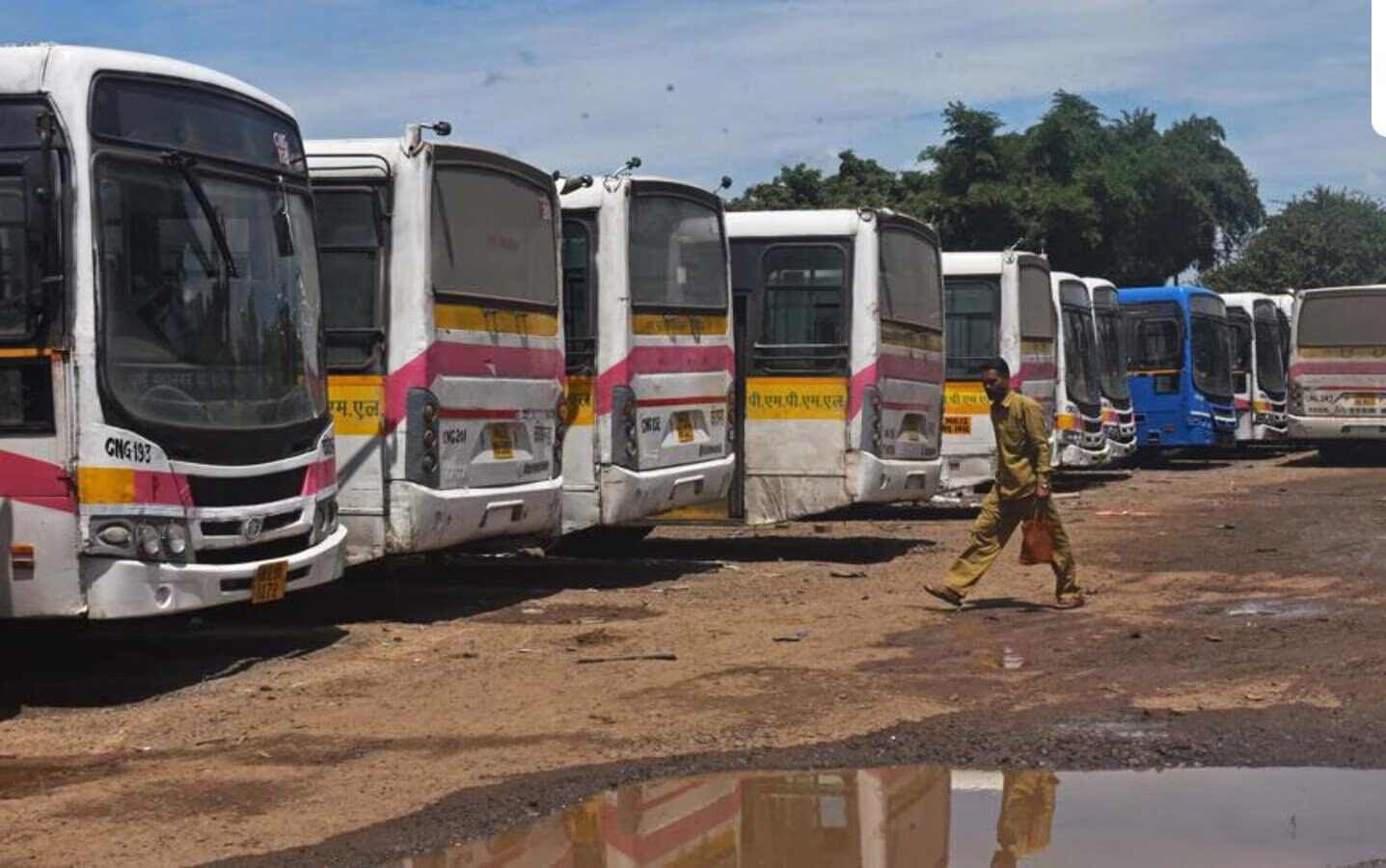
Pune’s public transport network is poised for a significant transformation as the Pune Mahanagar Parivahan Mahamandal Limited (PMPML) appeals to civic authorities for dedicated land to build modern bus depots. The move comes in response to the transport body’s rapidly expanding fleet, which now faces operational challenges due to insufficient depot and parking facilities. Officials emphasise that without prompt allocation of reserved spaces, service efficiency and commuter convenience could be compromised.
PMPML currently manages a fleet of approximately 2,200 buses and anticipates adding around 2,400 more over the coming years. In the first phase of expansion, the authority plans to induct 1,000 new CNG buses and 300 electric buses, aligning with India’s commitment to sustainable and low-emission urban transport. Future phases are expected to include additional CNG and electric vehicles under government-supported initiatives aimed at promoting zero-emission mobility. “The growth of our fleet is necessary to meet rising passenger demand,” a senior PMPML official said. “However, depot and parking facilities have not kept pace with this expansion. We have requested municipal corporations to urgently provide reserved plots to ensure efficient operations and uninterrupted service for citizens.”
While the development plans (DPs) of Pune and Pimpri-Chinchwad have earmarked several plots for bus depots, many of these areas remain underutilised, diverted for other purposes, or encroached upon. Officials stress that timely allocation of these plots is critical to establishing depots equipped with fuelling stations, electric bus charging points, and maintenance facilities. The lack of functional depots could otherwise lead to delays, service disruptions, and operational inefficiencies that directly impact daily commuters. Urban transport experts note that the initiative could serve as a model for sustainable city planning. Integrating green spaces within depot areas, using energy-efficient infrastructure, and creating centralised facilities for maintenance can significantly reduce the carbon footprint of public transport while improving service quality. By adopting such a model, Pune could position itself as a leader in eco-friendly urban transit solutions, benefiting both the environment and citizens.
The urgency of this request highlights the broader challenges of urban mobility in rapidly growing cities. As public transport becomes increasingly vital to reduce congestion, lower pollution, and ensure equitable access, strategic planning of infrastructure—including depots, parking, and support facilities—becomes indispensable. PMPML’s appeal underscores the need for coordinated efforts between transport authorities and municipal bodies to future-proof Pune’s public transport ecosystem. Officials indicate that once plots are allocated, construction of modern, fully equipped depots could begin promptly, providing long-term operational benefits and supporting the city’s green mobility agenda. Meanwhile, commuters are expected to continue facing challenges in areas where depot shortages persist, underscoring the immediate importance of municipal intervention.
Also Read: Pune Bus And Train Services Severely Disrupted As Marathwada Faces Heavy Rain
