Pune University Chowk Flyover Reshapes Daily Commutes
Pune is preparing for a modest but meaningful shift in one of its most congested transport corridors, with a key section of the University Chowk flyover expected to open to traffic this week. The activation of the Baner-bound ramp at the strategic junction marks a critical milestone in a long-running infrastructure project aimed at easing chronic congestion, improving travel efficiency, and supporting the city’s evolving mobility needs.
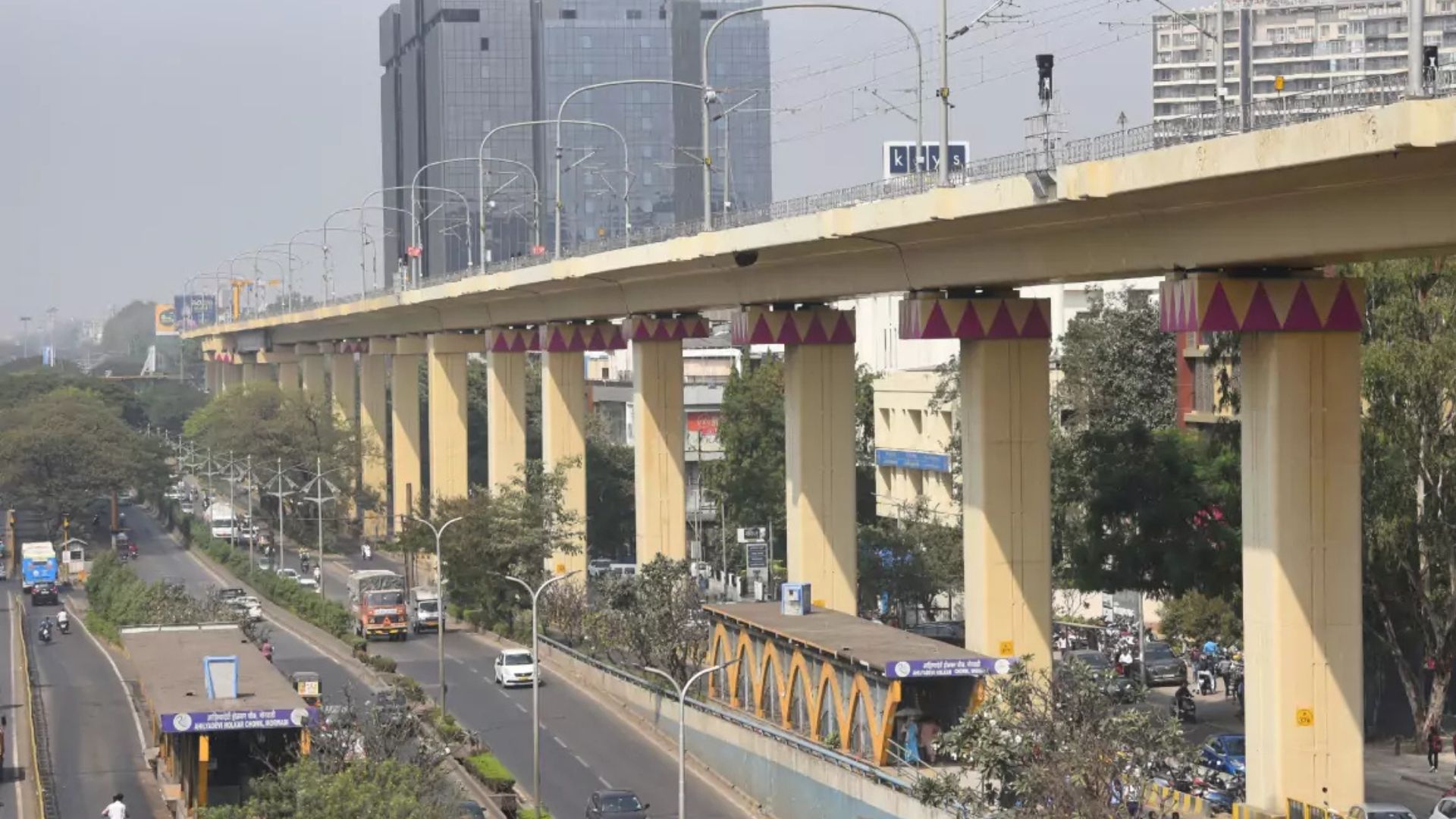
University Chowk sits at the intersection of major residential, academic, and commercial zones, serving daily commuters from Baner, Aundh, Pashan, and Shivajinagar. Traffic delays at the junction have long been a source of frustration, often stretching peak-hour travel times well beyond reasonable limits. Urban planners note that even partial commissioning of the flyover is likely to redistribute traffic flows and reduce idling time, offering immediate relief while the remaining works continue. The flyover is part of an integrated double-decker structure designed to carry both road traffic and a mass rapid transit system on a shared alignment. Built on a single-pier configuration, the project represents a compact approach to infrastructure delivery in dense urban settings, where land acquisition and environmental disruption remain persistent challenges. Experts say such vertical integration reflects a broader shift towards space-efficient transport solutions in growing Indian cities.
Construction on the overall corridor is nearing completion, with most structural work finished and final ramp connections under way. While the Baner side is now ready for use, the Pashan-bound ramp is expected to take longer due to unresolved underground utility relocation and repairs to existing water infrastructure. Officials involved in the project indicate that these issues are being addressed to avoid long-term service disruptions. Beyond traffic relief, the University Chowk flyover carries wider economic and environmental implications. Reduced congestion can translate into lower fuel consumption, fewer vehicular emissions, and improved air quality along the corridor. For businesses and real estate developments in the surrounding areas, improved accessibility is expected to enhance property values and support more balanced urban growth, particularly along western Pune’s expanding employment belt.
The road project also aligns with the progress of the adjoining Metro corridor, where trial runs have now extended across the full route length. Transport analysts point out that synchronising road and rail infrastructure is essential for encouraging a shift away from private vehicle dependence and towards more sustainable, multimodal commuting patterns. As Pune continues to expand outward, projects like the University Chowk flyover underscore the importance of coordinated infrastructure planning. The coming months will test whether timely completion, clear signage, and effective traffic management can deliver the people-first mobility outcomes that residents have been waiting for.