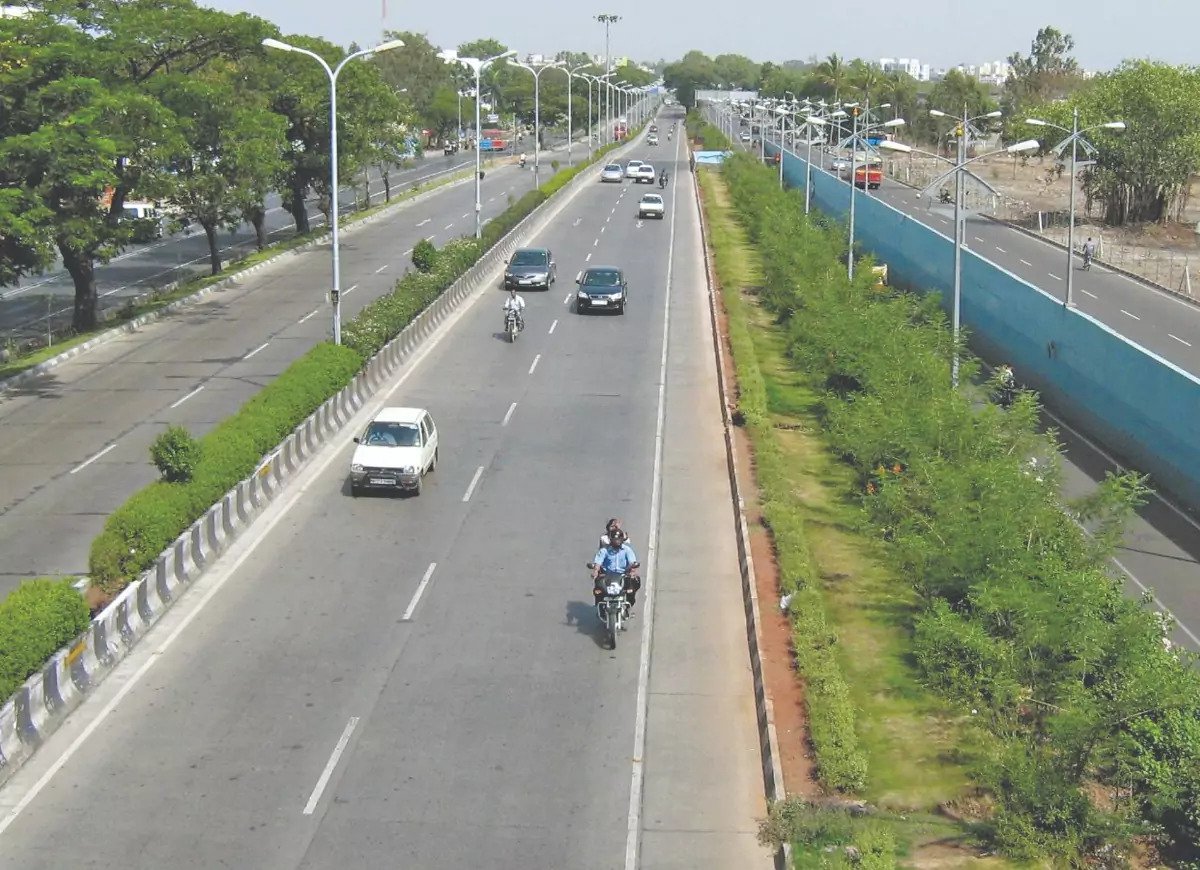
Pune Undertakes Footpath Infrastructure Improvement Drive
Pune has initiated a focused effort to enhance pedestrian infrastructure, aiming to improve safety, accessibility, and usability of footpaths across key urban corridors. The municipal corporation has prioritised sections in central neighbourhoods, signalling a shift towards more people-centric urban planning in India’s rapidly growing cities. This development reflects wider efforts to integrate mobility, equity, and sustainability into urban infrastructure.
The pilot phase of the programme concentrates on high-footfall areas, with initial work underway along a 1.4-kilometre stretch connecting central commercial and residential nodes. Civic authorities are systematically removing physical barriers such as poles, signboards, and electrical boxes from pedestrian zones, relocating them to ensure clear and continuous walking paths. Pavement surfaces are being repaired and standardised to prevent accidents and encourage consistent foot traffic. Urban planners note that such interventions are crucial in promoting non-motorised transport and supporting inclusive mobility in congested city centres.
Experts highlight that cities like Pune face mounting pressures from vehicular growth, informal street encroachments, and ageing infrastructure. In this context, upgrading pedestrian walkways contributes not only to safety but also to economic vitality. “Improved footpaths can directly influence retail activity, real estate value, and commuter behaviour,” says a senior urban infrastructure consultant. By standardising pedestrian spaces, municipalities can create safer environments for all users, including women, children, and persons with disabilities, while reducing dependence on motorised transport. From an environmental standpoint, enhancing walkability aligns with broader low-carbon urban strategies. Compact, pedestrian-friendly corridors can reduce traffic congestion and vehicle emissions, supporting the city’s climate resilience objectives. Municipal authorities report that lessons from the initial phase will inform wider rollouts across other wards, with the potential to influence urban design standards for future neighbourhood redevelopment projects.
Economically, well-maintained sidewalks can stimulate local micro-economies. Street vendors, small businesses, and service providers benefit from predictable pedestrian flows, while property developers gain a competitive edge when residential and commercial projects are situated along accessible routes. For city planners, the programme provides an opportunity to embed mobility-first thinking into broader transport and public realm planning. If implemented successfully, Pune’s footpath upgrade initiative could serve as a replicable model for Indian cities aiming to balance urban growth with sustainable, inclusive infrastructure. The project underscores the need for coordinated municipal governance and long-term investment in pedestrian networks as a cornerstone of equitable urban development.