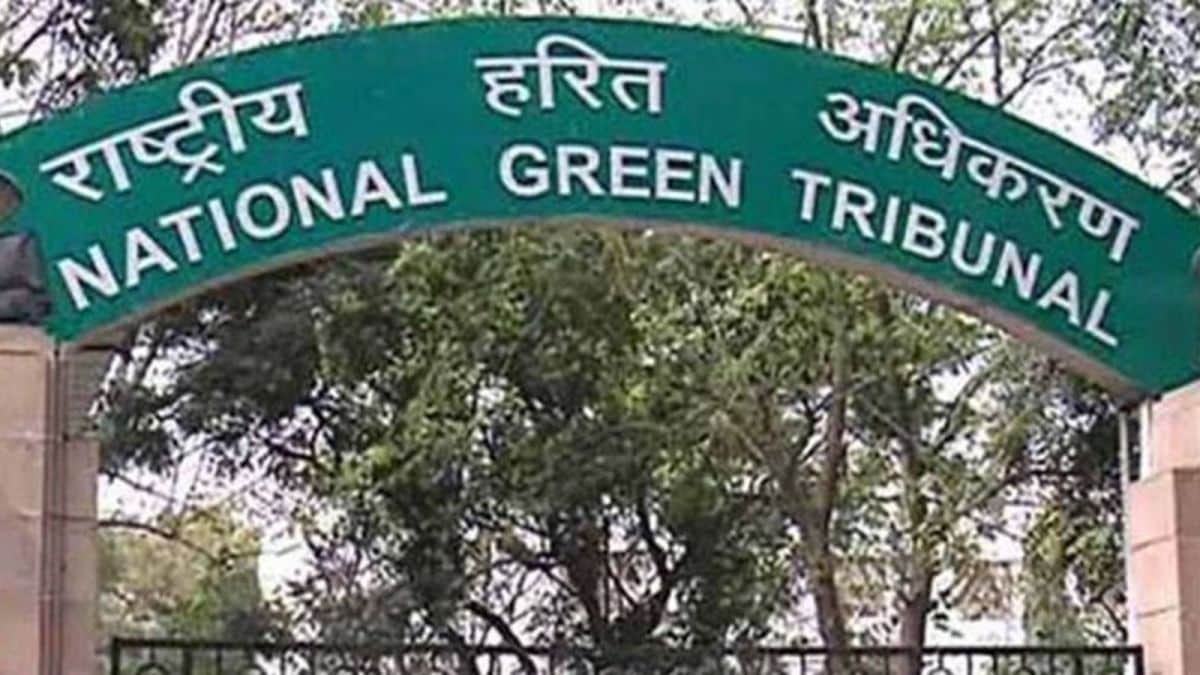
Pune Tribunal Orders Pollution Assessment At Milk Plant
Pune, The National Green Tribunal (NGT) has mandated the Maharashtra Pollution Control Board (MPCB) to conduct a detailed evaluation of environmental damage linked to a milk powder production facility in Varvand, Daund taluka, Pune district. The directive comes after sustained community concerns over air and water pollution from the plant, raising questions about industrial compliance and urban environmental resilience in rapidly industrialising regions.
The plant, operated under the National Dairy Development Board framework, has been flagged for the use of coal-fired boilers, which residents claim release particulate matter and black soot into surrounding areas. Locals report that dust accumulation on homes and farmland has been accompanied by respiratory health complaints and water contamination, reflecting the broader environmental and public health risks posed by energy-intensive industrial operations near semi-urban settlements. MPCB records indicate that the facility was previously issued a notice citing inadequate coal storage and emission control measures, yet observers note that corrective actions have been limited. In response, the tribunal has ordered a systematic assessment of air and water quality, coupled with a calculation of environmental compensation, reflecting an increasing regulatory emphasis on corporate accountability and ecosystem-based urban planning.
Urban planners and environmental experts highlight that incidents such as these underscore the need for cities and peri-urban zones to adopt stricter industrial zoning standards, particularly where coal-based energy usage continues. “Facilities located close to residential clusters require continuous monitoring and adherence to zero-emission guidelines to prevent long-term public health impacts,” notes a senior environmental consultant. The case also illustrates the economic stakes for businesses, as delayed compliance and environmental liability could translate into substantial compensation payouts, affecting operational sustainability. For citizens, the tribunal’s involvement reinforces the principle of environmental justice, ensuring that industrial growth does not compromise air, water, or soil quality. Analysts suggest that Pune, a growing industrial hub, faces recurring tensions between rapid development and climate-resilient urban governance. Establishing robust pollution mitigation systems, including transitioning to cleaner energy sources and effective wastewater management, emerges as critical to balancing economic activity with public welfare.
The next tribunal hearing is scheduled in March, by which time MPCB is expected to complete its inspection and propose compensation. Urban development experts stress that the outcome may set precedents for other industrial operations in Maharashtra, signalling stronger enforcement mechanisms and potentially accelerating the adoption of sustainable practices across the dairy and food processing sectors. As cities like Pune expand, integrating environmental safeguards into industrial and infrastructure planning will remain central to fostering equitable, health-conscious urban growth while mitigating climate and pollution risks.