Inter-city mobility between Pune and Mumbai witnessed a sharp behavioural shift this week as rail services operated at near-maximum occupancy while state-run road transport recorded a noticeable fall in passengers. The contrasting trends emerged after prolonged congestion on the Mumbai–Pune Expressway disrupted bus operations, reinforcing long-standing questions about the corridor’s dependence on road-based travel. Transport officials confirmed that several early-morning bus services from Pune to Mumbai were temporarily withdrawn, while others faced extended delays due to gridlock near critical choke points. Even services that eventually operated did so with lower-than-usual passenger loads, reflecting commuter hesitation amid uncertainty over travel times. Normal bus schedules resumed later in the day, but passenger volumes remained below typical weekday levels.
In contrast, railway services connecting the two cities ran at full capacity. Officials overseeing commercial operations on the route indicated strong demand across premium and regular inter-city trains, with particularly heavy use of unreserved coaches. The surge was most visible midweek, suggesting travellers actively switched modes to avoid unpredictable road conditions. This divergence matters beyond a single disruption. The Pune–Mumbai corridor is one of India’s busiest economic arteries, linking manufacturing hubs, financial services, education centres, and a rapidly expanding residential market. When road congestion escalates, the cost is not only measured in delays but also in lost productivity, fuel consumption, and emissions concentrated in the ecologically sensitive Western Ghats.
Urban transport planners argue that the episode illustrates a structural imbalance. Despite repeated highway expansions, road capacity struggles to keep pace with rising vehicle ownership and freight movement. Rail, by contrast, offers higher passenger throughput with lower land and carbon intensity. The renewed Pune Mumbai rail demand underscores how quickly commuters gravitate towards systems perceived as reliable, time-efficient, and safer during crises. From a city-planning perspective, the implications extend to housing and real estate development. Pune’s suburban growth and Mumbai’s employment density generate daily inter-city flows that cannot be sustainably absorbed by highways alone. Delays also disproportionately affect lower-income and informal workers who rely on fixed-shift travel and cannot absorb time overruns.
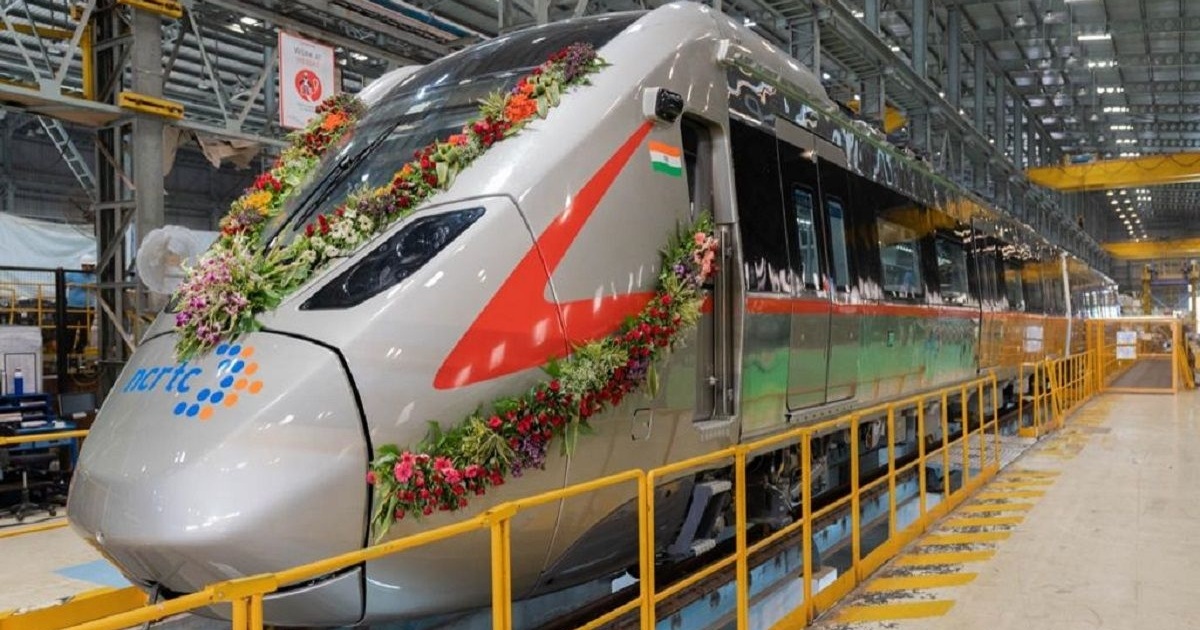
Policy announcements around faster rail connectivity, including proposals for significantly reduced travel times, signal recognition of this challenge. However, infrastructure specialists caution that interim improvements such as higher-frequency services, upgraded stations, and better last-mile integration are equally critical to shifting everyday travel behaviour. As cities across the Mumbai Metropolitan Region and Pune urban area plan for climate resilience and inclusive growth, this week’s disruption offers a clear lesson. Strengthening rail-led regional mobility is not merely a transport upgrade; it is central to economic efficiency, environmental stewardship, and people-first urban development. Future investments will need to prioritise capacity, reliability, and integration to prevent episodic road failures from becoming systemic urban risks.