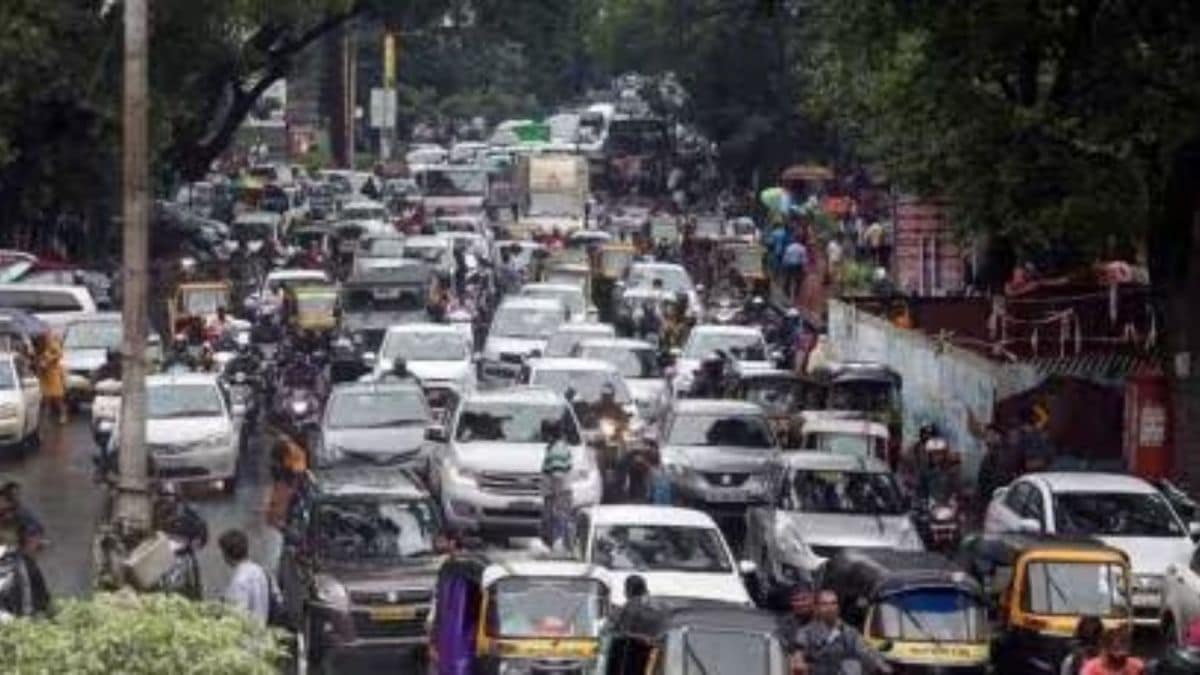
Pune has recorded a sharp improvement in traffic flow after introducing a series of low-cost traffic management interventions, with city authorities indicating that congestion levels on key corridors have fallen by more than half. The changes, rolled out across several high-density routes, signal a shift in how fast-growing Indian cities can address mobility challenges without relying solely on expensive infrastructure expansion.
The measures were implemented following internal traffic assessments that identified chronic bottlenecks across the urban road network. Instead of widening roads or building flyovers, enforcement agencies prioritised operational fixes such as redesigned junctions, better signal coordination, improved lane discipline, and stricter parking controls. Urban mobility experts say this approach reflects a growing recognition that efficiency and behaviour often matter as much as physical capacity in congested cities. Pune’s traffic pressures have intensified over the past decade due to rapid urbanisation, rising vehicle ownership, and dispersed employment hubs. Congestion has carried economic costs through lost productivity, fuel wastage, and higher logistics expenses, while also contributing to air pollution and road safety risks. Against this backdrop, the reported gains from Pune traffic management efforts are being closely watched by planners in other metropolitan regions.
According to traffic department data shared during a public briefing, average vehicle speeds on selected arterial roads have increased to over 30 kilometres per hour, a significant change for a city long associated with stop-start commuting. More importantly, authorities have observed a reduction in serious road accidents, suggesting that smoother flow and clearer road layouts may be improving compliance and reducing conflict points. The reforms coincide with nationwide road safety observances this month, but officials emphasise that the strategy extends beyond short-term campaigns. Citizen engagement has been central to the model, with digital platforms enabling residents to flag violations and unsafe practices. Transport analysts note that such feedback loops can strengthen trust while encouraging shared responsibility for road use.
From an environmental perspective, smoother traffic movement can lower vehicle idling time, reducing tailpipe emissions and fuel consumption. Sustainability researchers caution, however, that efficiency gains must be paired with long-term public transport investment and non-motorised mobility to prevent rebound effects where easier driving encourages more private vehicle use. The Pune traffic management experience also holds lessons for real estate and urban development. Improved commute reliability can reshape location choices for businesses and households, easing pressure on central areas while supporting more balanced growth. For developers, predictable travel times are increasingly factored into residential and commercial demand.
Looking ahead, city planners suggest that continuous monitoring and adaptive management will be essential to sustain the gains. As Pune continues to expand, the challenge will be to integrate these low-cost interventions with broader mobility planning, ensuring that road safety, climate resilience, and equitable access remain central to the city’s transport future.
Pune traffic management cuts congestion citywide