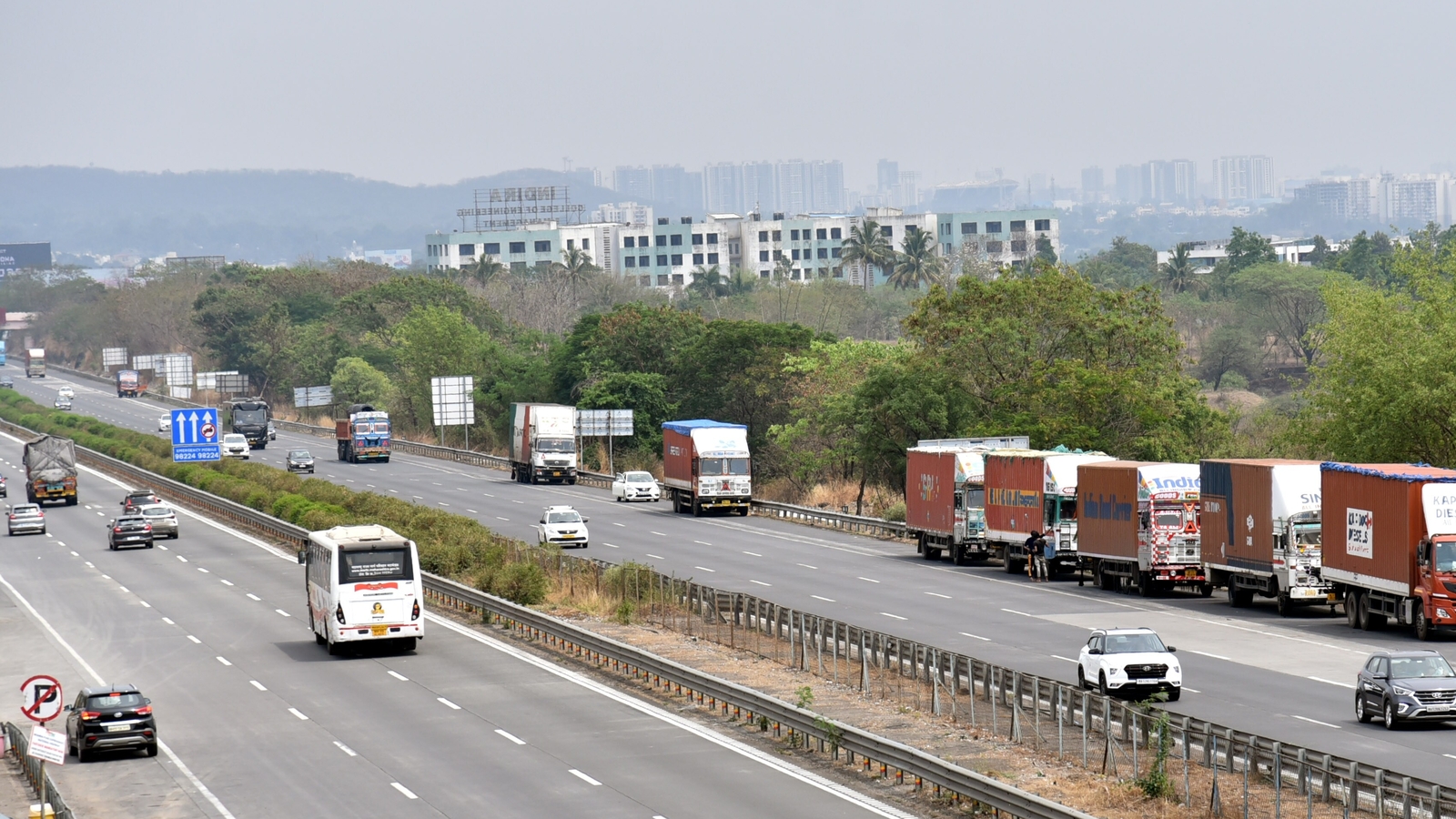
Pune Traffic Delays Expose Infrastructure Growth Gap
Pune’s daily commute has quietly evolved into a measurable economic and civic burden. Global traffic benchmarking released this year places the city among the world’s most congested urban centres, underscoring how mobility stress is reshaping productivity, liveability, and infrastructure planning in one of India’s fastest-growing metropolitan regions. According to the latest international traffic assessment, commuters in Pune collectively lost more than 150 hours per person to peak-hour delays over the past year. The city now ranks fifth globally for congestion intensity, placing it ahead of several Latin American and European capitals and only marginally behind Bengaluru among Indian cities. For a workforce heavily concentrated in services, manufacturing, and technology, this time loss carries implications far beyond inconvenience.
Urban economists note that prolonged congestion directly affects labour efficiency, household wellbeing, and urban competitiveness. Time spent in traffic reduces workforce availability, increases fuel consumption, and raises logistics costs for businesses. In cities like Pune where employment hubs are expanding faster than public transport networks the gap between residential growth and infrastructure readiness is becoming increasingly visible. The data also shows that congestion levels have worsened compared to the previous year, despite incremental road widening and junction improvements. Transport planners attribute this to rising private vehicle ownership, uneven enforcement of traffic norms, and delayed execution of mass transit extensions. Two-wheelers and private cars continue to dominate daily trips, while last-mile connectivity to bus corridors and metro stations remains inconsistent across peripheral zones.
From an environmental perspective, persistent stop-start traffic elevates urban emissions and local air pollution. Climate researchers point out that congestion hotspots often coincide with higher particulate concentrations, compounding public health risks. As Indian cities commit to climate-resilient growth pathways, mobility inefficiency is increasingly viewed as a climate and health concern, not just a transport issue. Real estate developers and institutional investors are also watching congestion trends closely. Prolonged commute times influence housing preferences, pushing demand toward mixed-use developments and transit-oriented projects. However, experts caution that without coordinated land-use planning, such shifts may simply relocate congestion rather than resolve it.
India now accounts for multiple cities within the global top congestion rankings, signalling a systemic urban challenge rather than isolated failures. For Pune, the data reinforces the urgency of accelerating integrated transport planning linking metro expansion, bus rapid transit optimisation, pedestrian safety, and demand management strategies. Urban planners argue that the next phase must prioritise people-centric mobility: reliable public transport, safer non-motorised travel, and equitable access across income groups. Without such recalibration, congestion risks becoming a structural constraint on the city’s economic and environmental ambitions rather than a temporary growing pain.