


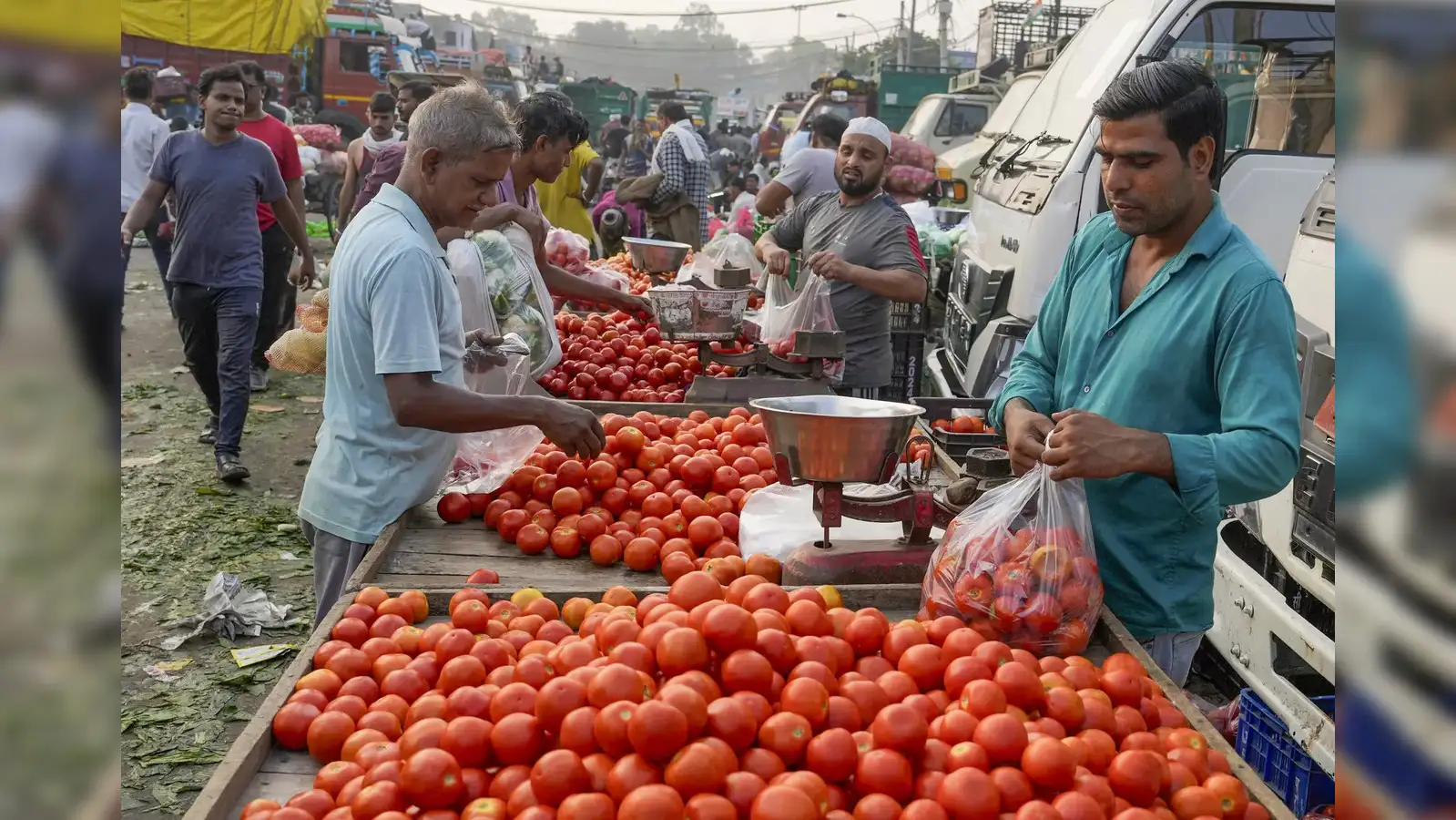
In Pune and Nashik, monsoon rains have dramatically impacted tomato supply, leading to retail prices spiking to ₹60–₹70 per kg in local markets and soaring as high as ₹90–₹100 per kg on quick-commerce platforms. The price surge reflects worsening quality and reduced arrivals following recent heavy rainfall.
Market officials report wholesale tomato rates now hover around ₹40 per kg. An official from the Pune APMC attributed the surge to monsoon-induced crop damage and transportation challenges. In Narayangaon, a key sourcing point, prices for a 20 kg tomato crate have rocketed to ₹700–₹800—double typical rates—reflecting the decline in supply. Traders expect relief in weeks as fresh arrivals begin in mid‑August. At the Nashik APMC, the average wholesale tomato crate price rose from ₹18 per kg on July 18 to ₹45.55 per kg, a staggering 153% increase in just 14 days. Retail rates in Nashik similarly climbed from ₹25 per kg to around ₹70 per kg. A senior APMC official explained that crop damage led to a 40% drop in daily arrivals—from about 10,500 crates to 7,000—fueling the price spiral.
Local vendors in Pune markets observe further variability by quality. One vendor noted wholesale rates of ₹30–₹35 per kg for smaller tomatoes, which retail at ₹50–₹60, while top‑grade tomatoes command upward of ₹60 per kg. Another vendor confirmed that thinner supply and diminished quality continue to push up prices. Food security experts highlight that monsoon disruptions often distort fresh produce markets by constricting supply and spoiling quality. As households face limited choice, demand remains steady, feeding into higher pricing. Analysts caution that without immediate buffer sourcing or state intervention, low-income consumers will bear the brunt of this seasonal volatility.
The price movement comes amid broader concerns about urban food equity in Indian cities. Public policy advisors emphasise the need for resilient supply chains and alternate sourcing from protected cultivation regions to cushion price swings during adverse weather. Government officials are monitoring arrivals, stock levels and quality at market committees, while calling for corrective steps from state agriculture departments to reassure consumers. In summary, escalating tomato prices in Pune and Nashik underline the lasting impact of monsoon on perishables markets. Until new produce arrives later in August, the elevated cost of tomatoes—an essential kitchen staple—may strain household budgets and challenge food accessibility in urban households.
By adopting proactive procurement strategies and strengthening cold‑chain logistics, cities can mitigate monsoon‑induced price shocks and ensure equitable food availability in line with sustainable urban resilience goals.
Also Read : Tamil Nadu To Sign MoU Merging MRTS With Metro Network
