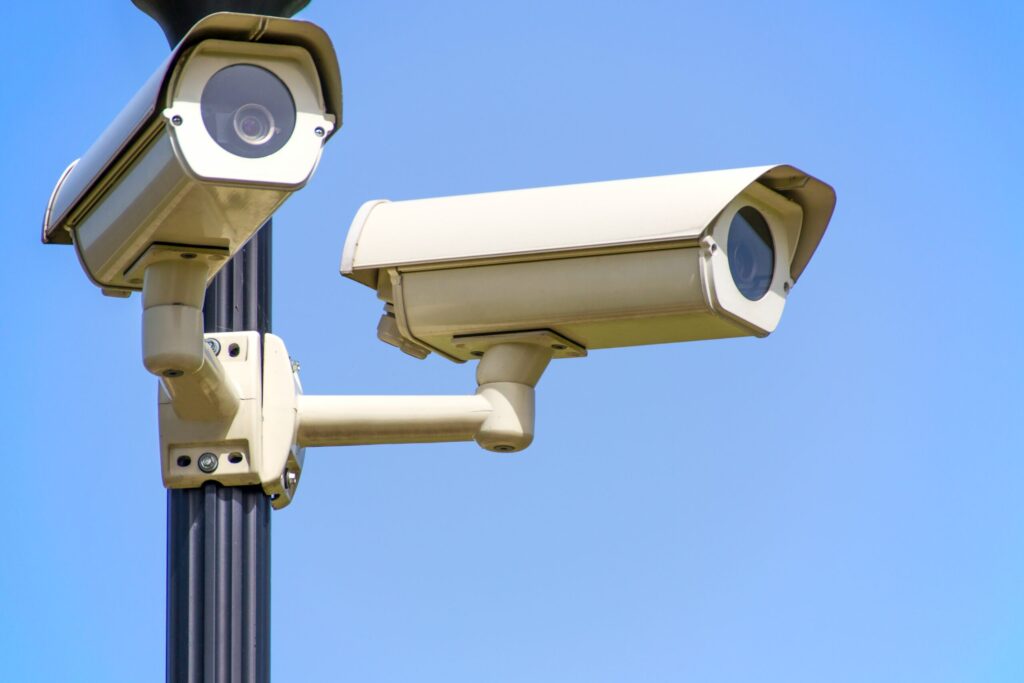
Pune is poised to introduce a comprehensive CCTV policy during the upcoming winter session of the state legislature, aiming to standardise and integrate the city’s extensive surveillance network. State officials indicated that the policy, currently under review, seeks to strengthen public safety, ensure accountability, and modernise monitoring systems, following rising concerns over non-functional cameras across the city.
The proposed framework addresses installation, maintenance, and integration of CCTV networks across multiple departments, incorporating artificial intelligence (AI) tools for real-time monitoring. Police authorities will lead oversight, while uniform protocols will ensure coordination among municipal bodies, transport utilities, and private stakeholders. An official said, “The policy aims to guarantee that every camera installed is operational and contributes effectively to public security.” Recent incidents nationally, such as the Red Fort blast in Delhi, highlighted the importance of a reliable surveillance system. In Pune, approximately 10,000 cameras are currently deployed, including 4,000 managed by Pune Police, 2,500 by MahaMetro, 2,500 under the Pune Municipal Corporation, 450 via the Smart City initiative, and up to 1,000 by transport and private entities. However, inter-departmental coordination gaps have left many cameras non-functional, undermining their purpose.
During the last monsoon session, local legislators highlighted these shortcomings, citing maintenance failures and short-term contracts that leave cameras inactive after installation. “Despite crores of rupees spent, many cameras stop working within months due to the absence of a single accountable agency,” a senior home department official noted. The draft policy also prioritises AI-driven surveillance for detecting suspicious movements, high-definition cameras in sensitive areas, night-vision capabilities, and a fibre-based network linking all grids for real-time access. Citizens have voiced concerns over the current inefficiencies. One resident remarked, “Many cameras outside housing societies are defunct. A coordinated system with reliable maintenance is essential for safety.”
Minister of State for Home (Urban) Yogesh Kadam, who guided the policy’s development, confirmed that extensive consultations with police and civic authorities informed the framework. Once tabled, the policy will provide clear installation standards, funding mechanisms, maintenance responsibilities, and data-sharing protocols to create a unified, accountable CCTV ecosystem across Pune. Officials emphasised that this move represents a critical step toward strengthening city security infrastructure, ensuring that every investment in surveillance serves its intended purpose, and enabling a smarter, safer urban environment.
Pune To Table Comprehensive CCTV Policy During Upcoming Winter Legislative Session