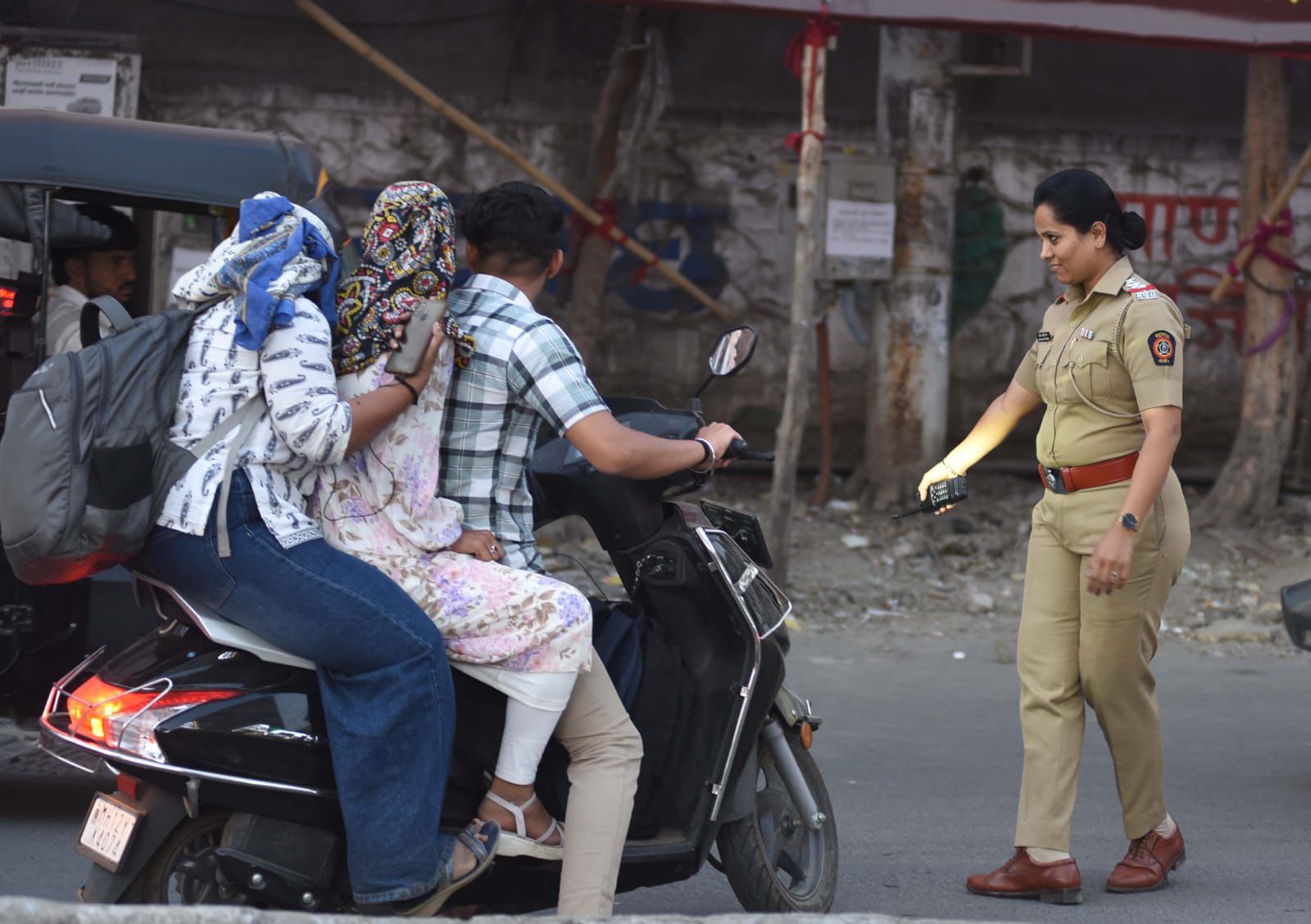
Pune’s traffic enforcement authorities have initiated a stricter compliance framework that could see driving licences suspended for motorists who fail to clear pending electronic traffic fines within a stipulated period, signalling a sharper push towards accountability in urban mobility management. Officials confirmed that vehicle owners with outstanding e-challan dues will receive formal digital notices, granting them 30 days to settle payments. Failure to comply may result in a recommendation to the Regional Transport Office for licence suspension, alongside potential legal proceedings.
The move comes amid rising concerns that a significant number of motorists continue to ignore automated penalties generated through surveillance cameras and on-ground enforcement systems. As Pune’s vehicle population expands, enforcement agencies are seeking stronger deterrents to improve compliance and road discipline. Transport analysts say consistent recovery of traffic penalties is central to creating safer and more predictable road environments. Unpaid fines weaken the deterrence effect of enforcement technologies and undermine investments made in digital monitoring infrastructure.
The current drive integrates data from the state’s electronic challan platform with transport department records. Once a notice is issued, vehicle owners must clear dues through authorised digital portals or at designated traffic offices. Officials have also emphasised that communication will be sent through verified government channels, cautioning citizens against fraudulent links or unauthorised payment requests. Urban planners note that traffic management is increasingly linked to broader sustainability goals. Congested roads, erratic driving behaviour and weak enforcement contribute to fuel wastage, higher emissions and reduced pedestrian safety. Strengthening e-challan enforcement, they argue, is not merely a revenue measure but part of a larger urban governance reform.
Pune’s rapid growth has intensified pressure on road infrastructure. New residential clusters, commercial hubs and logistics corridors have added to daily traffic volumes. Without parallel improvements in public transport uptake and compliance culture, congestion risks offsetting gains made through metro expansion and road upgrades. Legal experts point out that linking unpaid fines to driving licence status introduces a personal accountability mechanism rather than limiting consequences to vehicle registration alone. However, they caution that due process, transparent communication and clear grievance redressal systems will be critical to ensure fairness.
The enforcement window for current notices is limited, and authorities have clarified that only official platforms should be used for payments. Citizens are advised not to share one-time passwords or download unfamiliar applications claiming to facilitate challan clearance. As Pune strengthens its digital enforcement architecture, the effectiveness of this initiative will depend on timely data integration between police systems and the transport department. In the longer term, sustained compliance could contribute to safer streets, lower accident rates and more efficient traffic flow outcomes that align with the city’s broader ambitions for liveable and climate-responsive urban growth.