


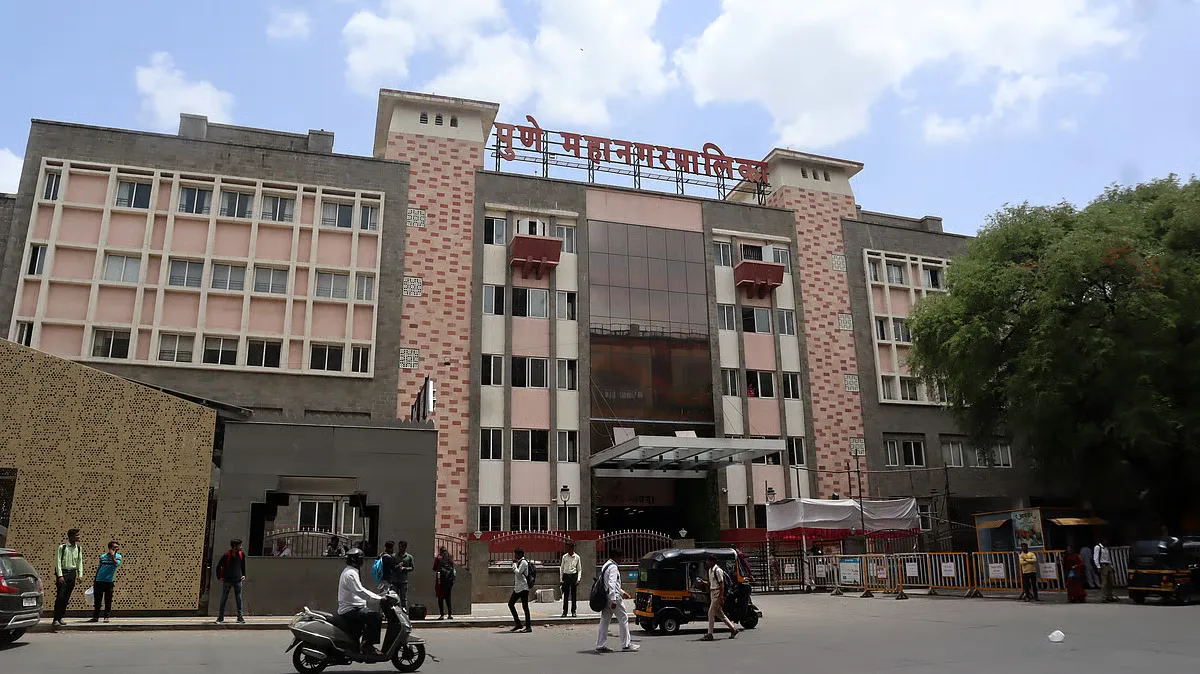
Pune’s rapidly growing suburbs are set for a major civic overhaul with plans underway to create three new municipal corporations to manage the escalating demands of urbanisation. Officials confirmed that the proposed bodies will cover Hinjewadi, Chakan, and the Phursungi–Wagholi belt, aiming to improve infrastructure delivery, ease traffic congestion, and provide targeted civic solutions.
The move, described as “a necessity for the future”, comes amid mounting concerns that the Pune Municipal Corporation (PMC) and Pimpri Chinchwad Municipal Corporation (PCMC) are struggling to cater to the needs of expanding suburbs. Industrial hubs like Chakan and IT corridors such as Hinjewadi have faced severe traffic bottlenecks and insufficient civic facilities, leading to frustration among residents and businesses. Senior officials said the new corporations will enable planned development and allow large-scale infrastructure projects, including road widening, integrated traffic management, and upgraded waste treatment systems, to be executed with fewer administrative hurdles. The decentralised governance model is expected to ensure better fund allocation from the state and central governments, as well as attract financial aid from external agencies for sustainable development.
Experts note that the transformation mirrors administrative changes in other Maharashtra districts. Thane, for example, once operated under a single corporation but was eventually divided into multiple bodies—Mira-Bhayandar, Navi Mumbai, and Ulhasnagar—each responsible for tailored local governance. A similar model was adopted in the Vasai-Virar region, which saw accelerated infrastructure growth post-separation. Urban planners have welcomed the proposal, pointing out that each of the targeted regions already meets or is approaching the five-lakh population threshold required to establish a municipal corporation under existing policy guidelines. “The current civic boundaries do not reflect the reality of Pune’s urban sprawl. Creating independent municipal corporations will allow governance to match ground-level needs,” said a senior planning official.
The IT sector in Hinjewadi, one of India’s largest technology parks, has been particularly vocal about the lack of civic planning, with some firms reportedly exploring relocation due to chronic traffic issues. In Chakan, home to major automotive manufacturing units, logistic delays caused by inadequate road infrastructure have impacted supply chains. The Phursungi–Wagholi cluster, meanwhile, continues to grapple with water supply shortages and poor waste management. While the proposal is being met with optimism, civic activists have cautioned that administrative bifurcation alone will not solve structural problems unless backed by strong transparency measures and long-term urban sustainability plans. The state government is expected to formally initiate the administrative process once local consultations are complete.
Also Read : Thane Civic Body To Launch Mobile App For Eco-Friendly Ganpati Immersion
