


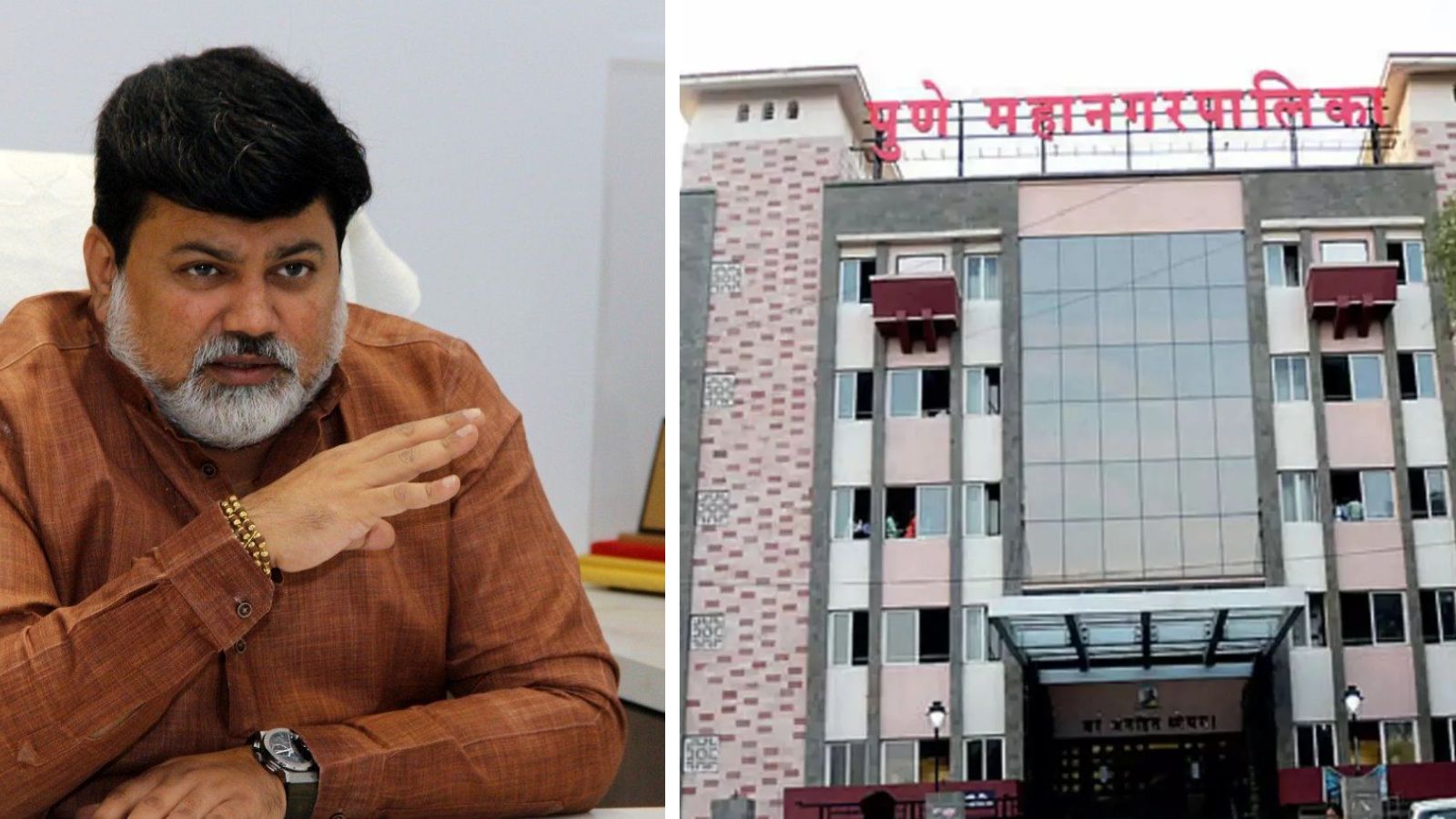
Pune is poised for a significant administrative overhaul. Maharashtra’s Deputy Chief Minister, who also serves as Pune’s guardian minister, announced plans today to establish three new municipal corporations. These will be formed for distinct growth zones to address critical infrastructure gaps and rapid urbanisation.
The targeted regions include the technology hub of Hinjawadi, industrial epicentre Chakan, and the eastern suburban cluster of Wagholi, Manjri, Loni Kalbhor, Phursungi, and Uruli Devachi. The proposal, subject to concurrence with the Chief Minister and urban development authorities, aims to channel surplus municipal funding towards essential civic infrastructure such as widened roadways and stormwater systems. Speaking during an inspection of the heavily congested Chakan MIDC zone, the Deputy CM underscored that a municipal council’s limited resource base leaves such regions underserved. This proposal mirrors the multipronged municipal structure seen in Greater Mumbai, where separate civic bodies serve Thane, Navi Mumbai, Mira-Bhayandar, Vasai-Virar, and Kalyan-Dombivli—each more capable of prioritising local needs.
Following the announcement, the Deputy CM conducted site reviews in Hinjewadi, Uruli Devachi, and Chakan, engaging officials from PMRDA, district administration, and traffic enforcement. The visits reflected an escalating state-level commitment to resolving longstanding civic challenges, from traffic snarls to inadequate infrastructure. Traffic woes in Chakan are not merely operational—they are fatal. Recent figures show that on the 52-km Talegaon–Chakan–Shikrapur corridor, 22 lives have been lost in 2025 alone due to crashes, bottlenecks, and poorly maintained roads. Planning experts note that localised governance could accelerate road widening and decongestion projects.
The intention behind the new municipal corporations is to empower local administrations to undertake context-specific planning and investment. By devolving responsibilities—from road infrastructure to public utilities—the state is aligning civic structure with sustainable, equitable urban expansion. This structural reform, if effectively implemented, could redefine Pune’s governance framework, rendering growth responsive and resilient. As the formal planning unfolds, urbanists and residents alike will watch keenly to see if decentralisation ushers in a new era of civic efficiency.
Also Read : Mumbai Rain Forecast Today As Konkan Sees Yellow Alert
