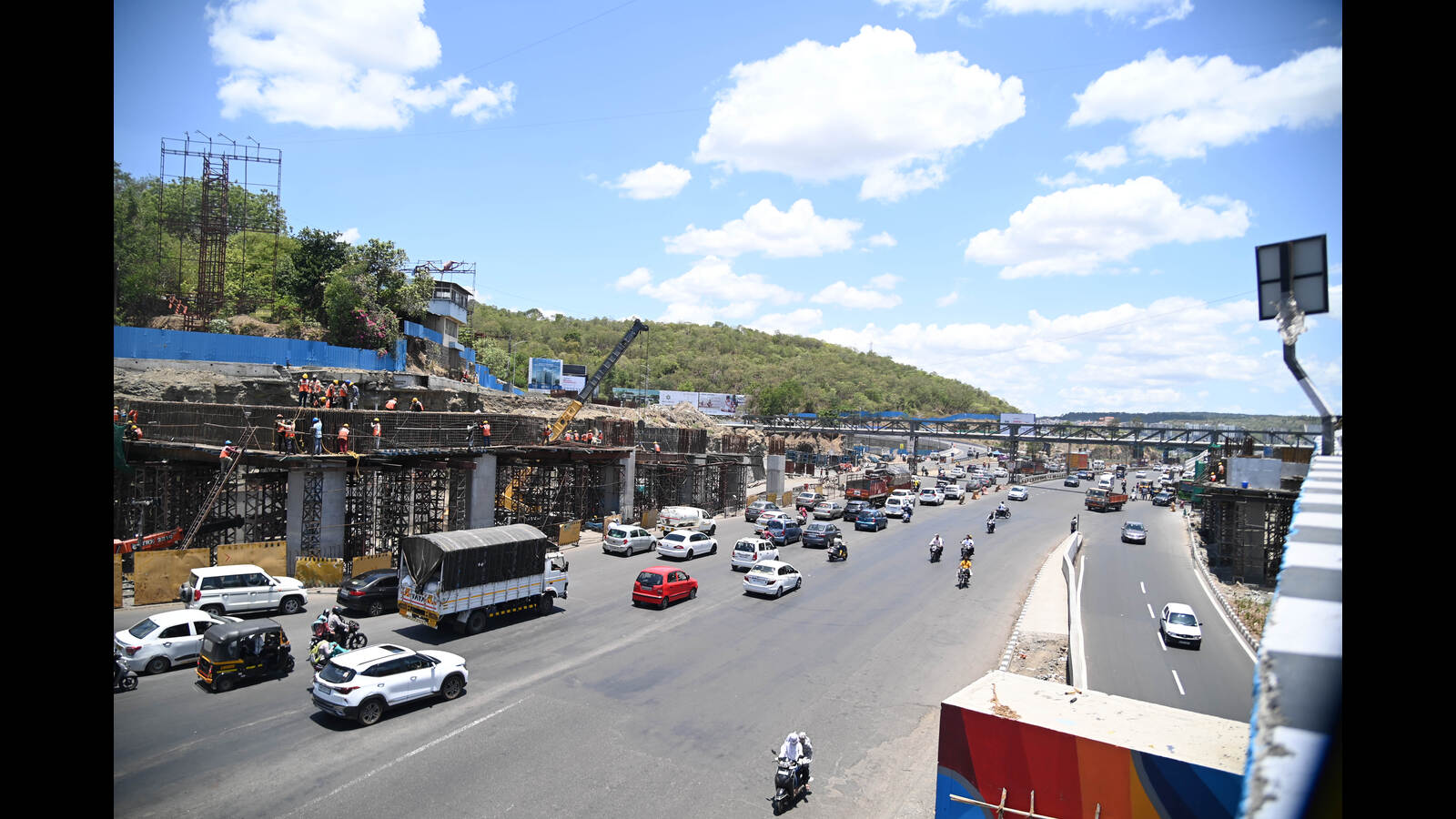
A regulatory shift in Pune is set to change how urban development aligns with infrastructure delivery, as the civic administration moves to integrate road expansion requirements into the building approval process. The move is aimed at addressing persistent delays in road widening projects that have contributed to congestion across key city corridors.
Under the revised framework introduced by the Pune Municipal Corporation, developers seeking construction permissions will be required to identify and facilitate the transfer of land needed for planned road widening. This process must be initiated early in the approval cycle, with land handover expected before construction progresses beyond initial stages. The Pune building permissions reform reflects a growing concern among urban planners that infrastructure development has not kept pace with real estate growth. In several parts of the city, completed residential and commercial projects continue to rely on narrow or incomplete road networks due to prolonged land acquisition challenges.
Officials indicate that embedding land transfer obligations into the approval process could reduce delays caused by fragmented ownership and legal disputes. By linking private development with public infrastructure delivery, the policy seeks to ensure that new buildings are supported by adequate road capacity from the outset. The urgency of such measures is underscored by Pune’s spatial constraints. Despite rapid urban expansion, the proportion of land allocated to roads remains significantly below recommended planning benchmarks. A large share of traffic is concentrated on a limited network of arterial routes, leading to chronic congestion and reduced travel efficiency.
Transport analysts note that without timely road widening, even modest increases in vehicle numbers can strain existing corridors. The Pune building permissions approach aims to tackle this structural issue by aligning incentives—developers gain project approvals while contributing to infrastructure readiness. The policy also signals a broader shift in governance, where private sector participation is being leveraged to accelerate public infrastructure outcomes. Experts suggest that such models can improve coordination between land use planning and transport systems, particularly in fast-growing urban regions.
However, the success of the initiative will depend on effective monitoring and enforcement. Urban development specialists caution that compliance mechanisms must be robust to prevent delays or partial implementation. Transparent processes and clear timelines will be essential to maintain trust among stakeholders. From a sustainability perspective, improved road infrastructure can help reduce traffic bottlenecks and associated emissions, although planners emphasise that road expansion must be complemented by investments in public transport and non-motorised mobility.
As Pune continues to expand into newly merged areas, integrating infrastructure planning with development approvals is likely to become increasingly important. The Pune building permissions reform represents an attempt to move towards a more coordinated and future-ready urban growth model, where infrastructure and real estate evolve in tandem.
Pune Ties Building Approvals To Land Surrender For Road Projects