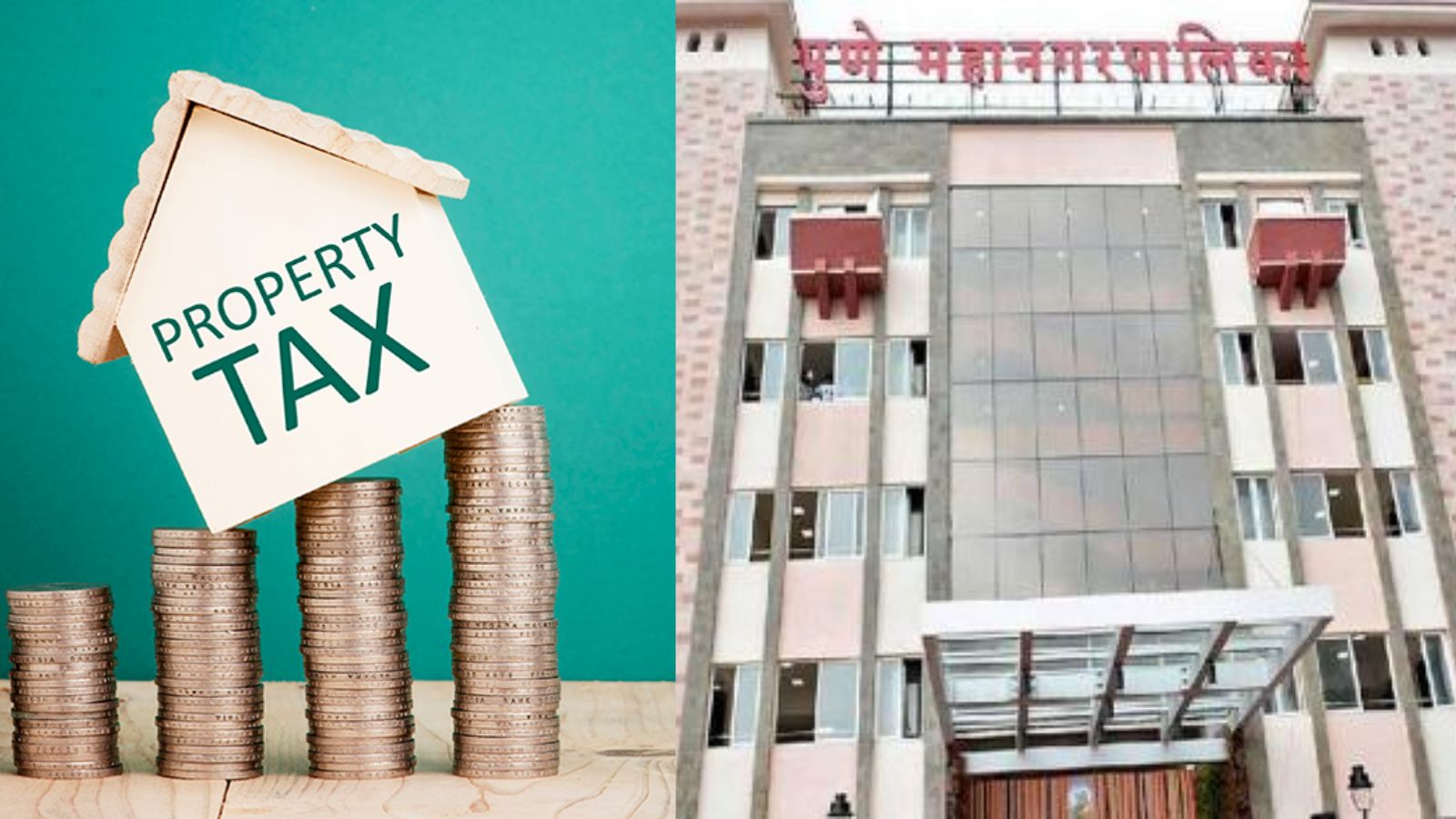
The Pune Municipal Corporation (PMC) has intensified efforts to recover long-pending property tax dues by initiating coercive action against a select group of high-value defaulters, signalling a shift towards stricter fiscal enforcement in one of India’s fastest-growing urban economies. The move, focused largely on commercial properties, reflects growing pressure on civic finances as infrastructure demands and climate-resilience investments accelerate across the city.
According to senior officials familiar with the exercise, the civic administration has identified several dozen properties with substantial unpaid tax liabilities after repeated notices failed to secure compliance. Enforcement measures now underway include physical sealing of premises and the initiation of statutory attachment proceedings, which place legal restrictions on the assets and enable eventual disposal through digital auction mechanisms if dues remain unresolved. The scale of the challenge is significant. PMC’s outstanding property tax arrears are estimated at close to ₹5,500 crore, excluding amounts locked in litigation, reassessment disputes, and contested tax categories such as telecom infrastructure. While overall collections have improved in the current financial year, a relatively small cohort of large defaulters continues to distort revenue performance and undermine long-term fiscal planning. Urban finance specialists point out that predictable and equitable tax collection is central to maintaining essential city services, from public transport and waste management to flood mitigation and water security.
“When large commercial entities delay payments, the burden indirectly shifts to compliant residents or results in deferred infrastructure spending,” noted an urban governance expert tracking municipal finances in western India. In recent weeks, PMC has also experimented with public-facing compliance measures, including announcements made outside defaulting properties. Officials indicate these steps are intended as a final prompt for voluntary settlement before legal escalation, balancing enforcement with procedural fairness. The renewed focus on property tax recovery has drawn cautious support from former elected representatives and civic groups, many of whom argue that strengthening enforcement is preferable to increasing tax rates. Pune already ranks among Indian cities with relatively higher property taxation, making efficiency and fairness in collection a more sustainable path to revenue growth.
The issue is particularly acute in recently merged peripheral areas, where administrative transitions, legacy exemptions, and inconsistent records have historically constrained tax recovery. Past drives involving targeted seizures and high-value recoveries laid the groundwork for the current approach, which aims to improve compliance without expanding the tax net indiscriminately. As Pune continues to expand its urban footprint and invest in climate-resilient infrastructure, stable municipal revenues will remain critical. Effective property tax enforcement, urban planners argue, is not merely a fiscal exercise but a cornerstone of accountable city-building ensuring that growth is supported by those who benefit most from it.