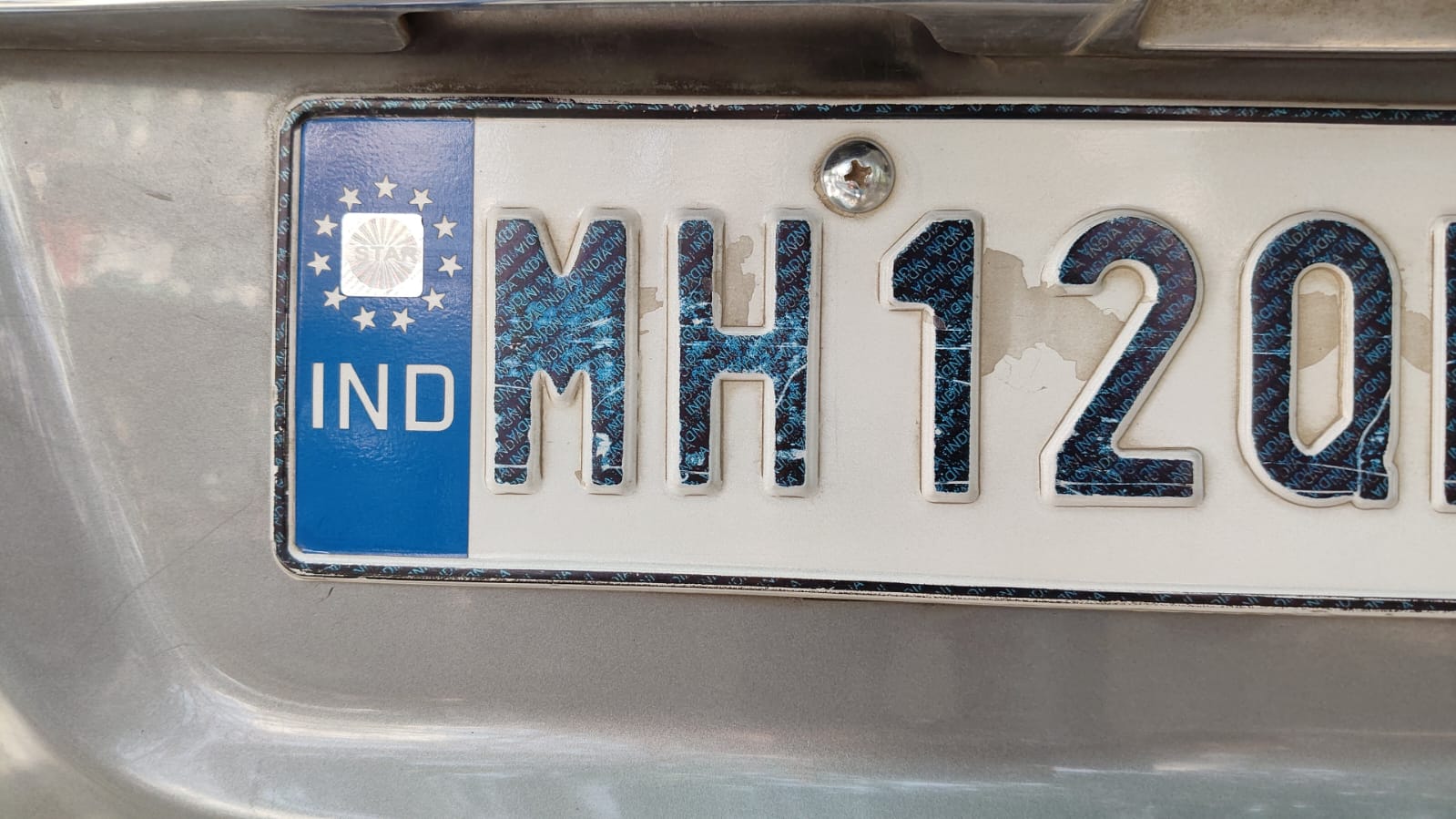
Pune continues to grapple with sluggish adoption of High Security Registration Plates (HSRP), with official figures indicating that only 30% of vehicles under the city’s Regional Transport Office have complied despite repeated extensions. The latest deadline of November 30, 2025, is expected to be the final opportunity for vehicle owners to install tamper-proof plates before enforcement action begins.
Data from the Pune RTO shows that out of 24.28 lakh vehicles eligible for HSRP, only 7.25 lakh have completed installation. While 9.14 lakh owners have booked appointments for fitting, many fail to honour these slots, creating long queues and delaying progress. Authorities note that the current compliance rate marks only a marginal improvement from 28% in September, reflecting ongoing indifference among vehicle owners. “The HSRP initiative is critical for road safety and vehicle traceability,” said an official. “These laser-encoded, tamper-proof plates not only standardise vehicle registration nationwide but also deter theft and ensure accountability.” Introduced for all vehicles registered before April 2019, HSRPs include a chromium hologram, unique laser code, and snap locks designed to prevent forgery or tampering.
Despite repeated awareness campaigns and multiple deadline extensions—from March to April, June, August, and now November—public response remains inadequate. Authorities warn that the city will enforce penalties of up to ₹1,000 for non-compliance, though exemptions apply for those with pre-booked appointments. A recurring challenge is the proliferation of counterfeit plates sold locally, lacking official laser codes or holograms. Officials emphasise that such imitations compromise the security benefits of HSRPs and will be subject to stringent action once the final deadline passes. Industry experts highlight that operational bottlenecks, including technical glitches in online registration, delivery delays, and extra service fees charged by some vendors, exacerbate the compliance gap. “A combination of public indifference and logistical hurdles has slowed down adoption,” noted a transport analyst.
The RTO has now signalled zero tolerance for further delays. “Vehicle owners have been given sufficient time,” said a senior transport officer. “The November 30 deadline must be respected, and enforcement measures will follow immediately for defaulters.” With over 17 lakh vehicles still lacking HSRPs, Pune faces a crucial test in balancing enforcement with public convenience. Authorities continue to encourage residents to complete registration promptly, highlighting the plates’ role in safer, more accountable urban mobility and the broader vision of a modern, secure, and sustainable city transport ecosystem.
Pune Struggles With HSRP Only Thirty Percent Cars Have Plates Installed