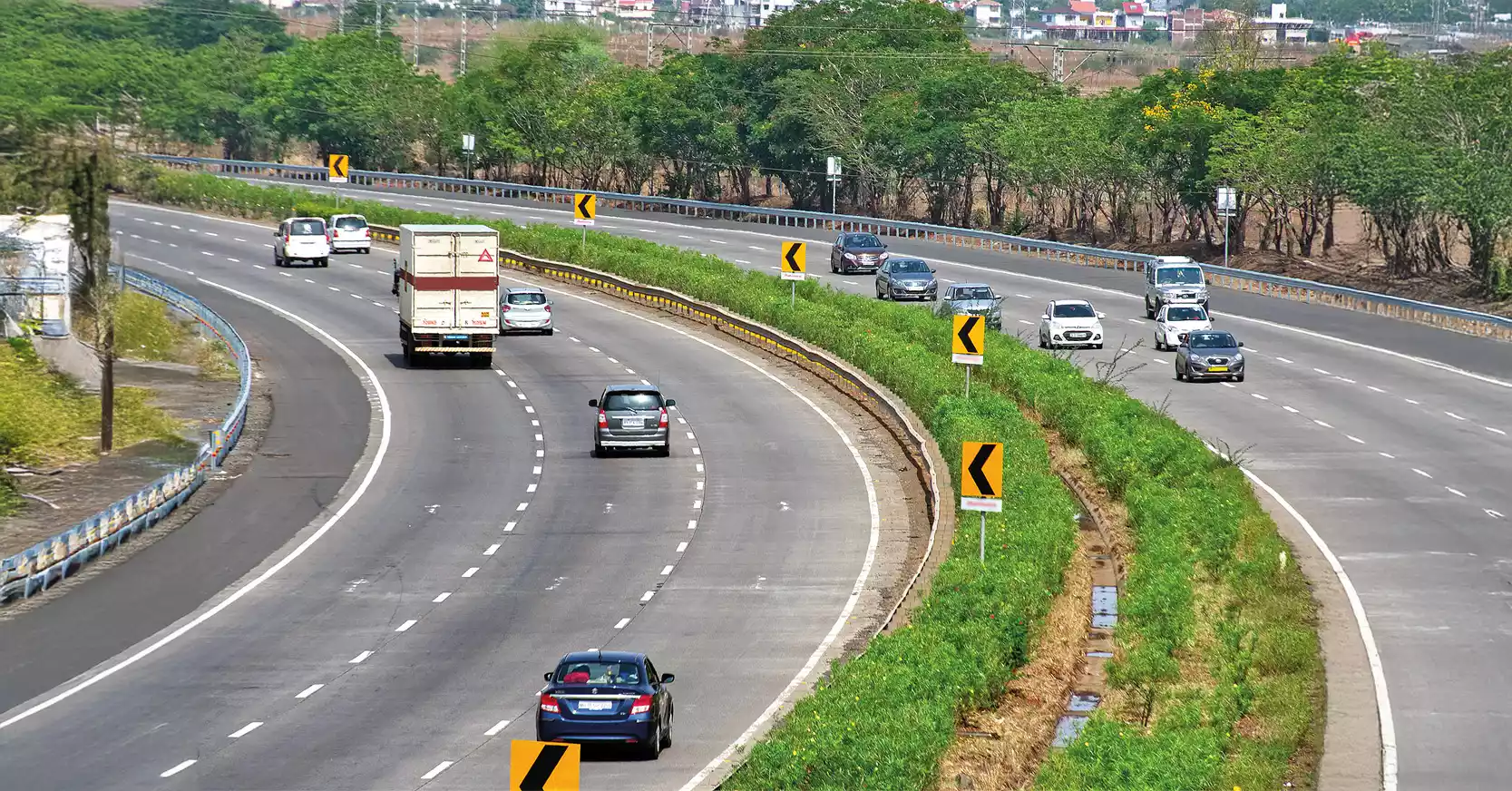
Pune’s ongoing metro expansion will see the Sinhagad Road flyover cut at 66 points to accommodate elevated metro pillars, temporarily narrowing traffic lanes and impacting commuters. The municipal corporation clarified that the flyover had been intentionally designed with extra width to allow for future metro integration. Despite this foresight, residents and drivers can expect some inconvenience during the construction phase.
The 32-kilometre Khadakwasla–Hadapsar–Kharadi–Nal Stop to Manikbag metro corridor, recently approved by the central government with an estimated budget of ₹9,858 crore, aims to ease mounting congestion on one of Pune’s busiest arterial roads. The flyover, constructed earlier at ₹118 crore, had already helped streamline traffic. Officials emphasised that the metro pillars’ alignment had been incorporated in the original flyover design, mitigating potential structural conflicts.
Currently, the flyover measures 7.324 metres per side. After pillar erection, width will reduce by one metre on each side, leaving 6.324 metres for traffic. An urban planning official stated that retaining two lanes per side ensures continued vehicle movement while maintaining construction safety standards. A total of 105 metro pillars will be installed along the corridor from Rajaram Bridge to Vadgaon, with 39 pillars already completed. Pillars will be spaced 30 metres apart, supporting the elevated metro line, which will run 5.5 metres above the flyover.Coordination between MahaMetro and Pune Municipal Corporation (PMC) has been central to minimising disruptions. Ramp sections of the flyover were pre-identified for cuts, and markings are already in place for pillar installation. While initial flyover costs were borne by the municipal corporation, future project allocations will recover these expenditures.
Industry experts note that while short-term traffic inconvenience is inevitable, the long-term benefits include reduced commute times, lower emissions, and improved connectivity across the city. The project exemplifies proactive urban planning by integrating multi-modal transport infrastructure in high-traffic corridors, a key principle in sustainable, inclusive urban development.Once completed, the Sinhagad Road metro corridor is expected to significantly alleviate congestion, improve travel predictability, and support Pune’s broader urban mobility objectives. The careful design approach ensures minimal disruption to commuters while balancing the city’s growth with environmental and social sustainability goals.
Pune Sinhagad Road Metro Cuts Flyover Reducing Width, Affecting Traffic