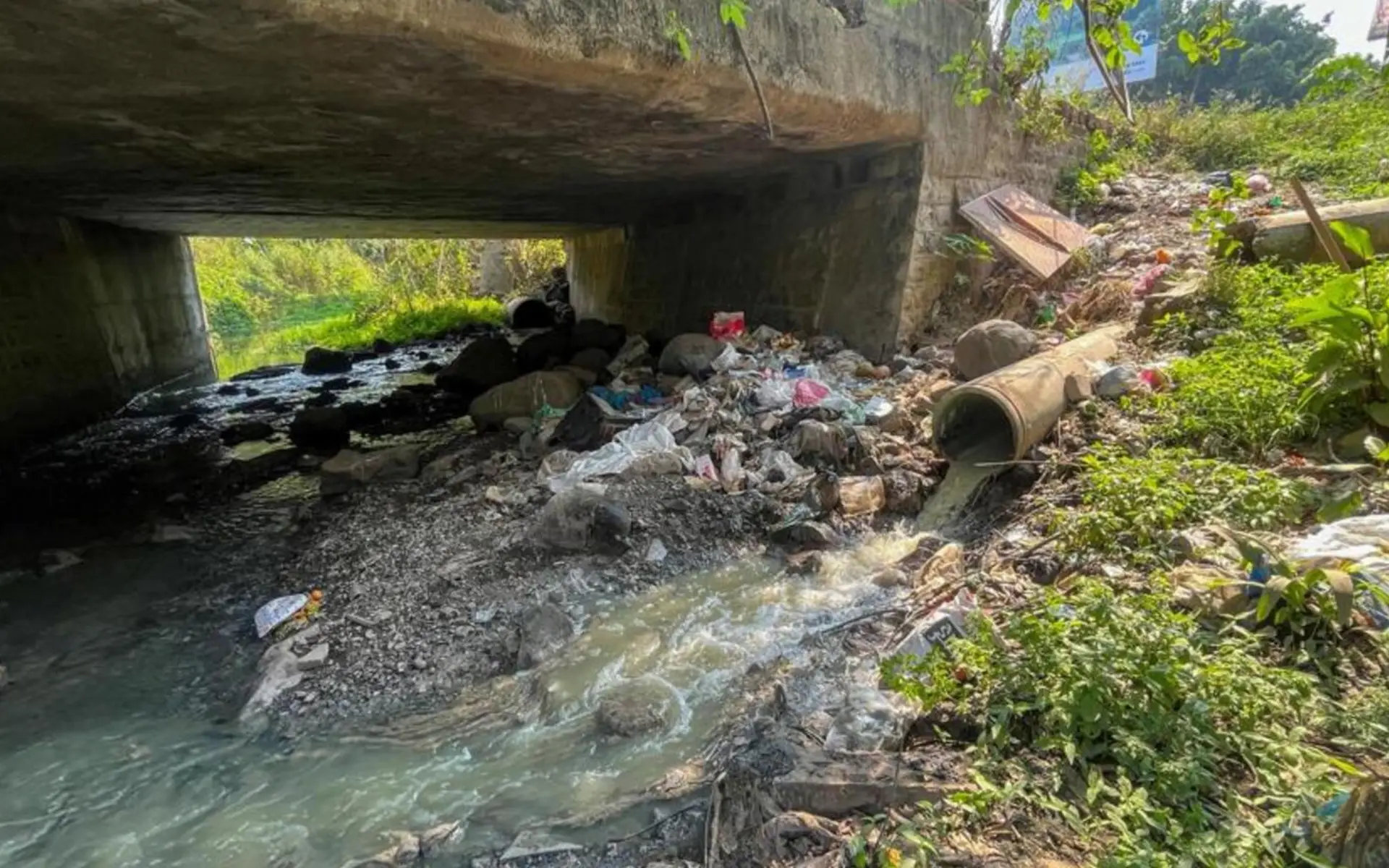
Pune’s urban infrastructure has come under renewed scrutiny after the state pollution regulator set strict deadlines for closing gaps in the city’s sewage treatment systems, highlighting risks to river health and long-term urban sustainability. The directive requires the municipal administration to significantly expand treatment capacity and complete sewer network coverage within months, signalling mounting pressure to address untreated discharge into local waterways.
The city currently generates close to 1,000 million litres of sewage daily, yet nearly half of this volume is estimated to flow untreated into river systems through open drains. For a fast-growing urban centre, this imbalance underscores a structural mismatch between population growth, built environment expansion, and essential environmental infrastructure.Urban planners point out that such gaps are not merely environmental concerns but also economic ones. Polluted rivers impact public health, reduce the attractiveness of surrounding real estate, and increase long-term costs for water treatment and urban resilience. In Pune’s case, the Mula and Mutha river corridors are central to both ecological balance and urban redevelopment potential, making the issue particularly consequential.
The regulator has asked the civic body to intercept key drainage channels and prevent direct sewage inflows into rivers, while also preparing a time-bound execution roadmap. This includes adopting structured project management tools to track ongoing and planned interventions an approach increasingly seen as necessary in complex urban infrastructure programmes.Existing treatment capacity in Pune stands at just over half of current sewage generation levels. While several treatment plants are operational, capacity augmentation projects are still underway. Plans for additional facilities covering both the core city and recently merged peripheral areas suggest that authorities are attempting to catch up with demand, though execution timelines remain critical. Beyond wastewater, the directive extends to air quality management and solid waste systems.
Experts note that such integrated oversight reflects a broader shift in urban governance, where environmental performance is being evaluated holistically rather than in silos. Strengthening waste collection logistics and improving processing infrastructure are seen as essential steps toward reducing secondary pollution and landfill stress.From a climate resilience perspective, untreated sewage discharge also weakens a city’s ability to manage flooding and water reuse. With erratic rainfall patterns becoming more frequent, cities like Pune are under pressure to develop circular water systems that treat, recycle, and reintegrate wastewater into urban use. The coming months will test the city administration’s ability to align infrastructure delivery with regulatory expectations. For residents and investors alike, progress on sewage treatment will serve as a key indicator of how effectively Pune can balance rapid urbanisation with environmental stewardship and liveability.